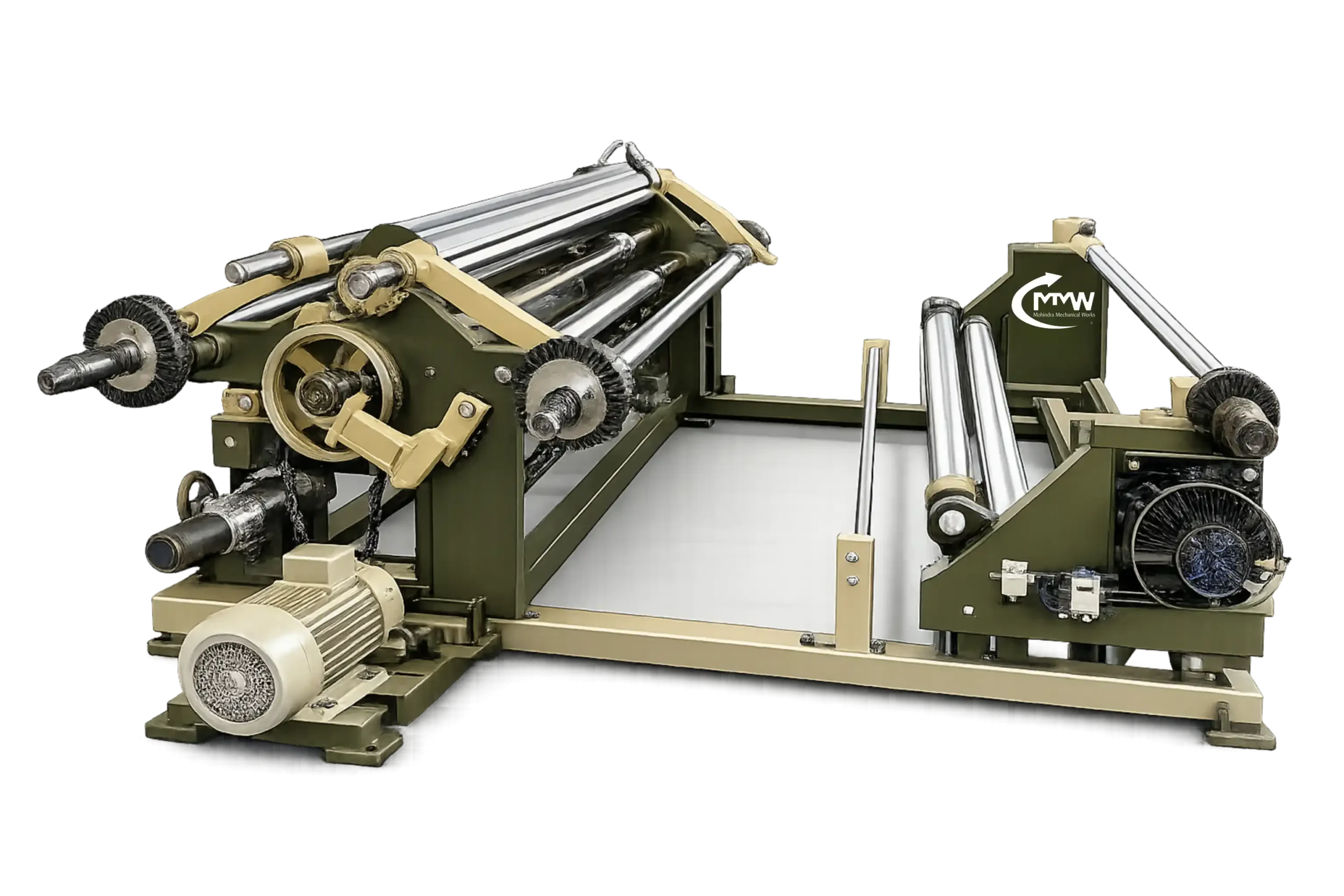
Fabric Slitting Cutting Machine
Precision Fabric Cutting for Textile and Industrial Applications
The Fabric Slitting Cutting Machine is used to cut wide fabric into narrow widths for textile and industrial use. It enables the cloth to move in a controlled manner and be cut accurately to assist keep the dimensions consistent while eliminating material waste. Proper alignment and proper cutting patterns assist reduce uneven edges, wrinkles and fabric moving during running. Depending on the thickness, texture and cut of the material, the machine can be set up for woven fabrics, non-woven fabrics, cotton, polyester, synthetic textiles and other suitable materials.
Request a Quote
Contact us today for machine specifications, pricing, and customized solutions.
Accurate Fabric Cutting for Different Width Requirements
Fabric rolls are usually supplied wider than the width necessary for the final manufacture. Cutting them to the desired widths calls for precise alignment of the material, since a small sideways movement can impact the final dimensions. The fabric slitting cutting machine can vary the cutting position based on the manufacturing needs. Proper fabric guidance ensures proper placement of the materials as they travel through the cutting area.
Different structures of fabric may need different cutting arrangements for good edge quality. Choosing the right cutting procedure can assist minimize uneven cuts, warping of the fabric, excessive fraying and material loss. Thus it is a valuable machine for textile converters preparing fabric rolls for sewing, garment manufacture, industrial processing and other uses.
Smooth Fabric Handling During Continuous Cutting
Fabric is different than a rigid material because it may stretch, fold, or move as it goes through a machine. light weight materials are prone to wrinkling but larger fabrics may need more assistance to feed properly
The machine also includes a controlled material-handling arrangement for guiding the fabric from the parent roll to the cutting region. Proper tension settings assist to avoid undue pulling, especially when using flexible or fragile fabrics.
Fabric movement is consistent, which assists in cutting precision and minimizes the disruption of wrinkles, uneven feeding, edge movement and fabric bunching. The handling arrangement may be chosen according to fabric thickness, roll dimensions and material properties.
Why Proper Fabric Slitting Matters in Textile Production
Cutting fabric is a key preliminary step in a lot of textile manufacturing processes. Poorly cut fabric can cause complications during stitching, folding, laminating or subsequent conversion, particularly when the completed material must match precise width criteria.
Accurate slitting enables producers to make fabric strips and narrow rolls for their intended uses. Also the uniform cutting conditions contribute to a better usage of material and to a reduction of re-cutting.
The Fabric Slitting Cutting Machine is an efficient option for companies that work with a variety of textile materials, allowing the conversion of bigger rolls of fabric into more manageable widths with more control over the handling of the fabric and the quality of the completed material.
35+ Years of Manufacturing Experience
Precision Engineering & Quality Manufacturing
Customized Machine Configurations to Your Needs
Fast and Reliable After-Sales Support
Packaging Applications
- Synthetic Fabric Conversion: Processes compatible polyester, nylon, and other synthetic textile materials.
- Bag Manufacturing: Prepares suitable fabric strips and rolls for textile bag production.
- Industrial Textile Products: Cuts compatible technical fabrics used in selected industrial applications.
- Fabric Lamination: Prepares fabric widths for subsequent lamination and bonding processes.
- Home Textile Materials: Converts suitable fabrics used in curtains, furnishings, and decorative textile applications.
- Non-Woven Fabric Products: Suitable for cutting compatible non-woven materials used in hygiene and industrial products.
- Garment Manufacturing: Prepares fabric strips and narrow rolls for compatible garment production processes.
Key Features
- Consistent Cutting Performance: Supports repeatable cutting widths during regular production.
- Wide Fabric Compatibility: Can be configured for selected woven, non-woven, and synthetic fabrics.
- Suitable Tension Adjustment: Helps prevent excessive stretching of compatible textile materials.
- Material-Specific Cutting Options: Cutting arrangements can be selected according to fabric construction and edge requirements.
- Fabric Alignment Support: Reduces unwanted sideways movement during processing.
- Controlled Fabric Feeding: Helps maintain smooth movement through the cutting section.
- Adjustable Cutting Width: Allows cutting positions to be set according to required fabric dimensions.
Frequently Asked Questions
Yes. Cutting width, fabric-handling arrangements, and suitable cutting mechanisms can be selected according to production requirements.
Edge quality depends on the fabric construction and cutting method. Suitable cutting options can help reduce fraying, although some fabrics may require additional edge treatment.
Selected stretchable fabrics can be processed with suitable tension control and cutting arrangements, depending on their elasticity and construction.
Proper alignment and accurate cutting-width settings help minimize unnecessary trimming, uneven cutting, and material loss.
Yes. The cutting arrangement can be adjusted according to the required fabric width and production specifications.
The machine can be configured for compatible cotton, polyester, woven, non-woven, synthetic, and selected industrial fabrics.
A Fabric Slitting Cutting Machine is used to cut wide fabric rolls into narrower widths for textile manufacturing, industrial conversion, and other fabric-processing applications.