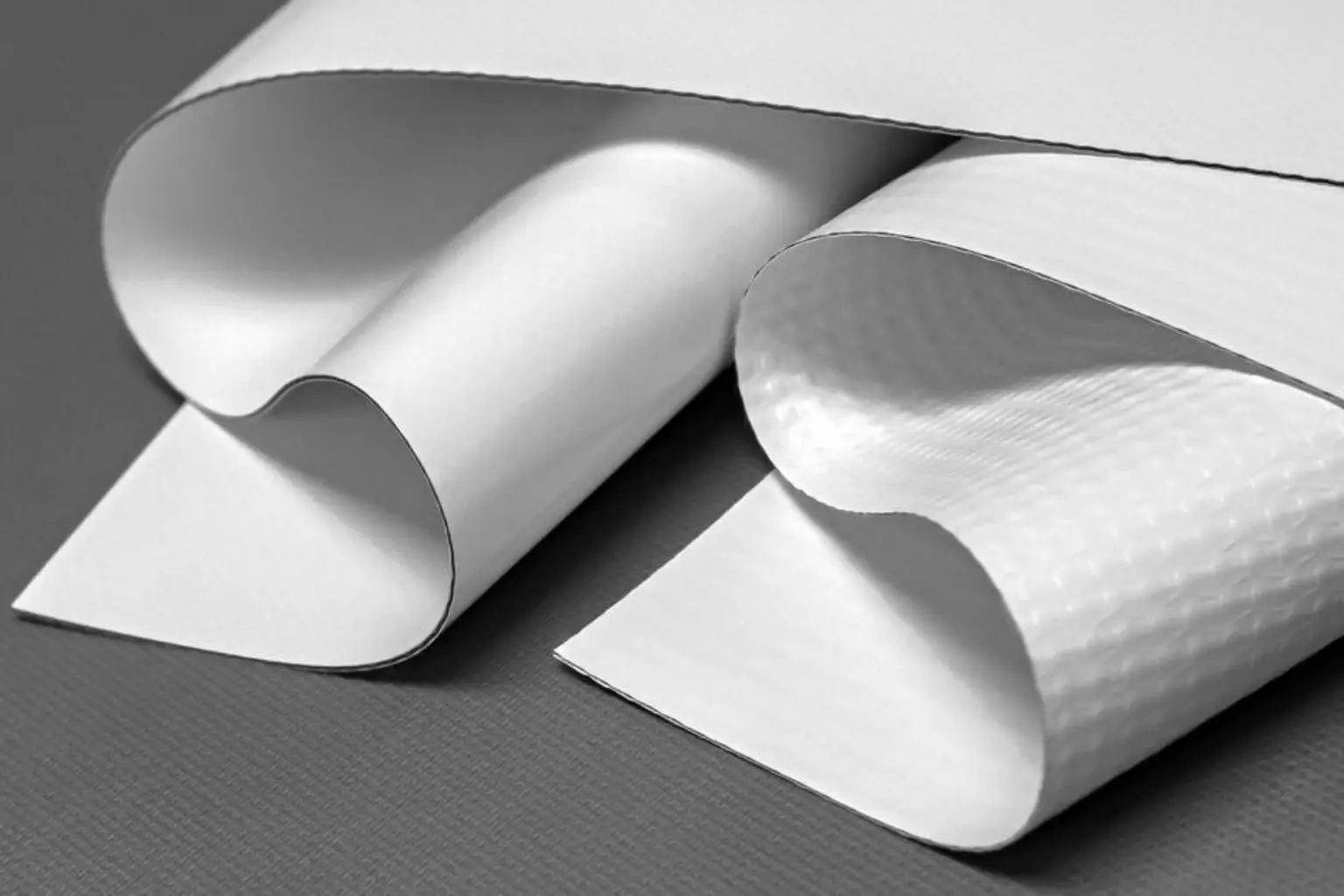
Fabric To Fabric Lamination Machine
Efficient Bonding of Two Fabric Layers for Composite Material Production
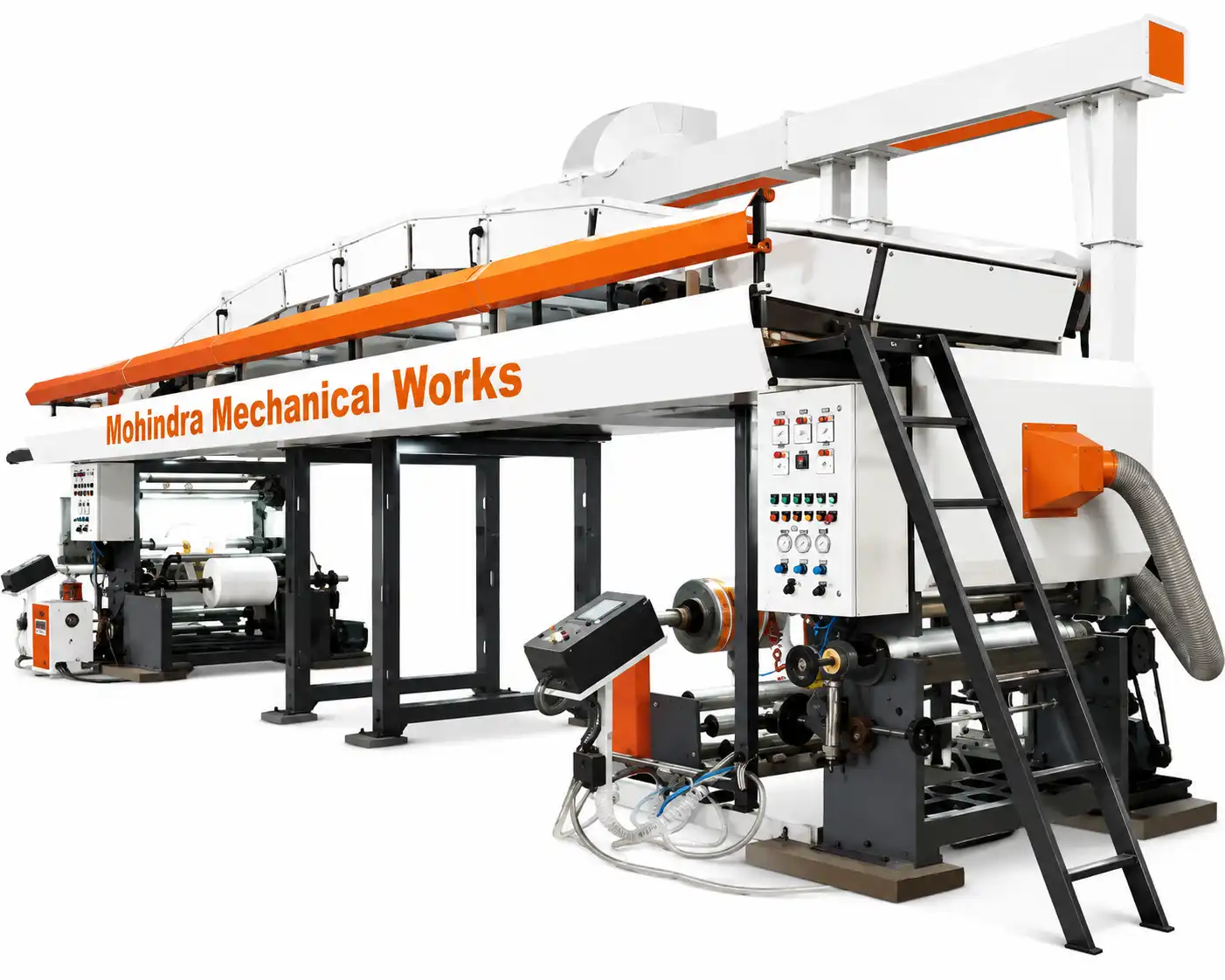
Our Fabric to Fabric Lamination Machine is a machine that has been developed for laminating two layers of compatible fabrics into one piece of composite material through even adhesion over the entire width of operation of the machine. The machine has been designed to control adhesive application, fabric feed, and pressure for consistent production.
Special web-handling systems have been developed to cater to the inherent flexible nature of textile materials, thereby avoiding the creation of wrinkles and any other movement that would make the bonding process inconsistent.
Request a Quote
Contact us today for machine specifications, pricing, and customized solutions.
Controlled Lamination for Different Fabric Structures
Whereas films are constant in thickness, surface texture, elasticity, and porosity, the properties of fabrics can vary widely. Therefore, it is especially important to control the feeding process and apply an adhesive properly for the successful production of fabric-to-fabric laminate.
The web of both the fabric materials is fed into the machine at controlled tension. The adhesive is then applied using the selected technology, and the fabrics are united using the lamination unit by applying controlled nip pressure.
Designed for Continuous Textile Lamination
The Fabric To Fabric Lamination Machine supports continuous roll-to-roll processing, from individual fabric unwinding through adhesive application and bonding to finished-roll collection.
Machine parameters can be adjusted according to the characteristics of each fabric layer. Depending on the adhesive technology, an appropriate drying or heating arrangement can also be incorporated into the production line.
This flexibility makes the machine suitable for manufacturers producing multilayer textile materials for furnishing, industrial, protective and general-purpose applications.
Why Choose Fabric To Fabric Lamination?
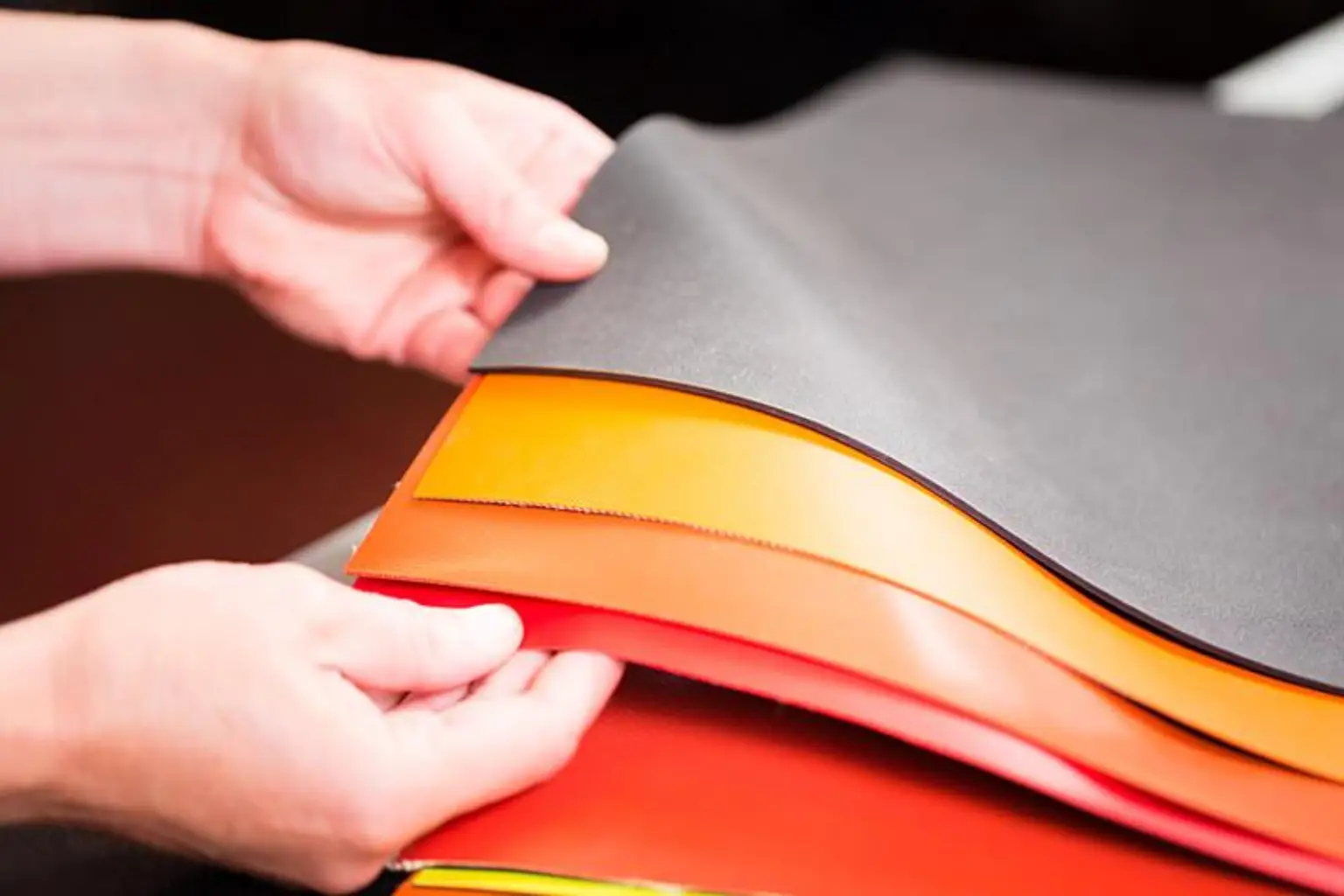
Fabric lamination allows two different textile layers to be combined to create a material with specific surface, structural or functional characteristics. Different fabric combinations can be selected according to the requirements of the finished product.
Consistent results depend on controlling adhesive quantity, fabric tension, alignment and lamination pressure. Improper handling can cause wrinkles, stretching or variations in bonding across the material.
A dedicated Fabric To Fabric Lamination Machine provides the process control required for stable production and repeatable laminate quality.
35+ Years of Manufacturing Experience
Precision Engineering & Quality Manufacturing
Customized Machine Configurations to Your Needs
Fast and Reliable After-Sales Support
Packaging Applications
- Decorative Textile Laminates: Suitable for combining decorative surface fabrics with compatible backing materials.
- Industrial Fabrics: Combines compatible textile layers for selected industrial and technical fabric applications.
- Bag & Luggage Materials: Suitable for laminated fabrics subsequently converted into bags, luggage and related textile products.
- Protective Fabric Products: Produces multilayer textile structures for covers and other protective-material applications.
- Automotive Textile Materials: Can be configured for compatible fabric structures used in selected automotive interior applications.
- Upholstery & Furnishing Fabrics: Suitable for selected laminated materials used in furniture, furnishing and interior applications.
- Multilayer Textile Materials: Combines two compatible fabric layers to produce composite textile structures for further processing.
Key Features
- Flexible Heating / Drying Configuration: Suitable heating or drying systems can be incorporated according to the selected adhesive process.
- Accurate Fabric Alignment: Web-guiding arrangements help maintain proper positioning of both layers before bonding.
- Adjustable Nip Pressure: Lamination pressure can be set according to fabric thickness and bonding requirements.
- Wrinkle-Controlled Feeding: Stable material movement helps minimize folds, wrinkles and unwanted fabric distortion.
- Individual Tension Management: Controls each fabric web according to its stretching and handling characteristics.
- Uniform Adhesive Application: Helps distribute the required adhesive consistently across the fabric width.
- Dual Fabric Handling: Designed to feed and laminate two compatible fabric webs in a controlled production process.
Frequently Asked Questions
Yes. Working width, roll dimensions, adhesive coating system, tension control, drying arrangement and automation level can be configured according to the customer's fabric and production requirements.
Yes. Where required by the adhesive technology, the machine can incorporate a suitable heating or drying arrangement as part of the lamination process.
The machine can be configured for different material thicknesses within its designed operating range. Nip pressure, web tension and other parameters are adjusted according to the fabrics being processed.
Adhesive selection depends on the fabric composition, surface characteristics, required bond and final application. The machine's coating and drying arrangement can be configured around the selected adhesive process.
Controlled fabric feeding, web alignment and tension management help keep both layers stable before they enter the lamination section, minimizing wrinkles and unwanted movement.
Yes. Different compatible fabrics can be combined when their physical characteristics and the selected adhesive are suitable for the intended application.
Depending on machine configuration and adhesive compatibility, it can process selected woven fabrics, non-woven fabrics and other flexible textile materials supplied in roll form.
A Fabric To Fabric Lamination Machine combines two compatible textile layers using an appropriate adhesive and controlled pressure to create a single laminated fabric structure.