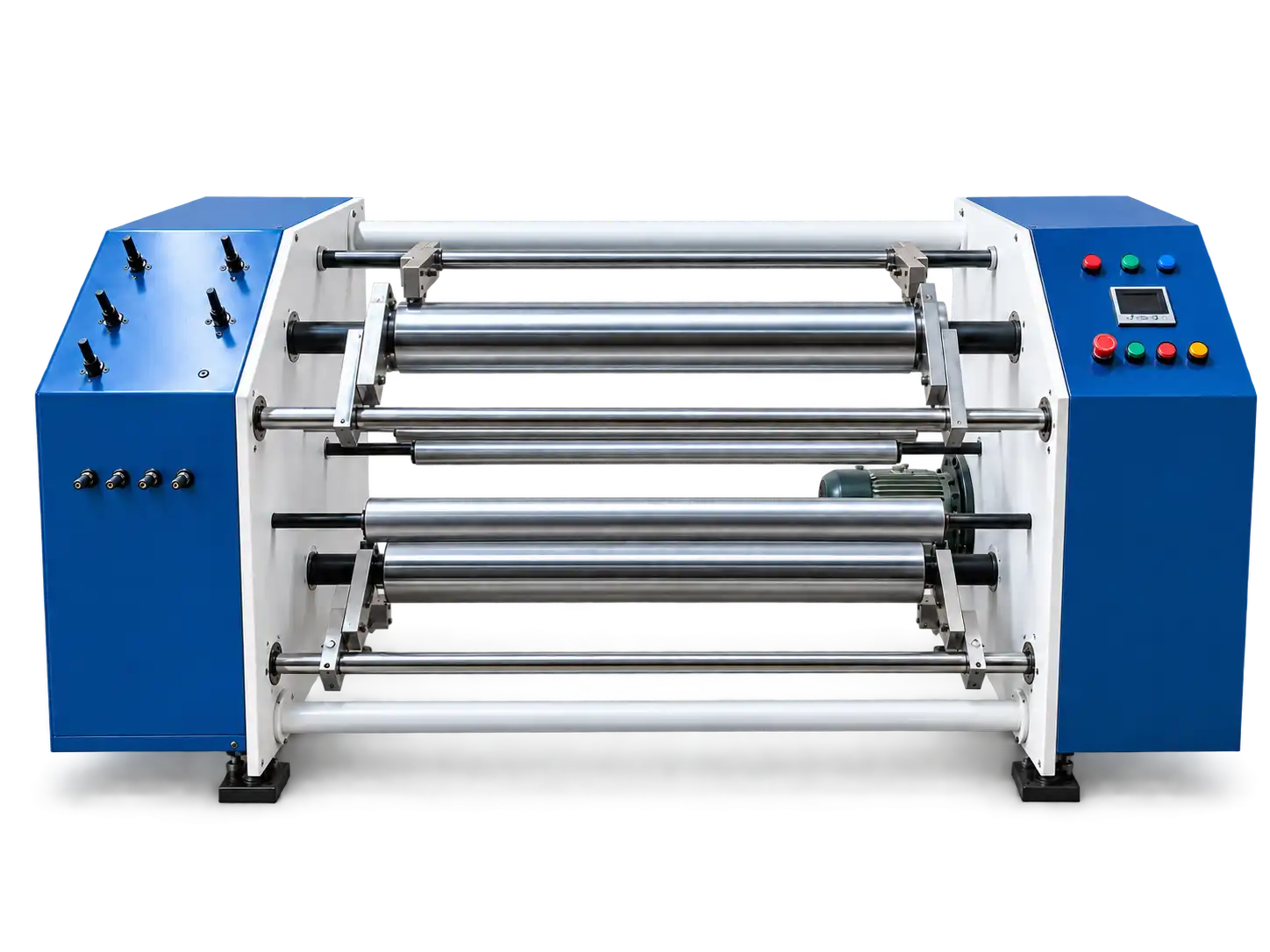

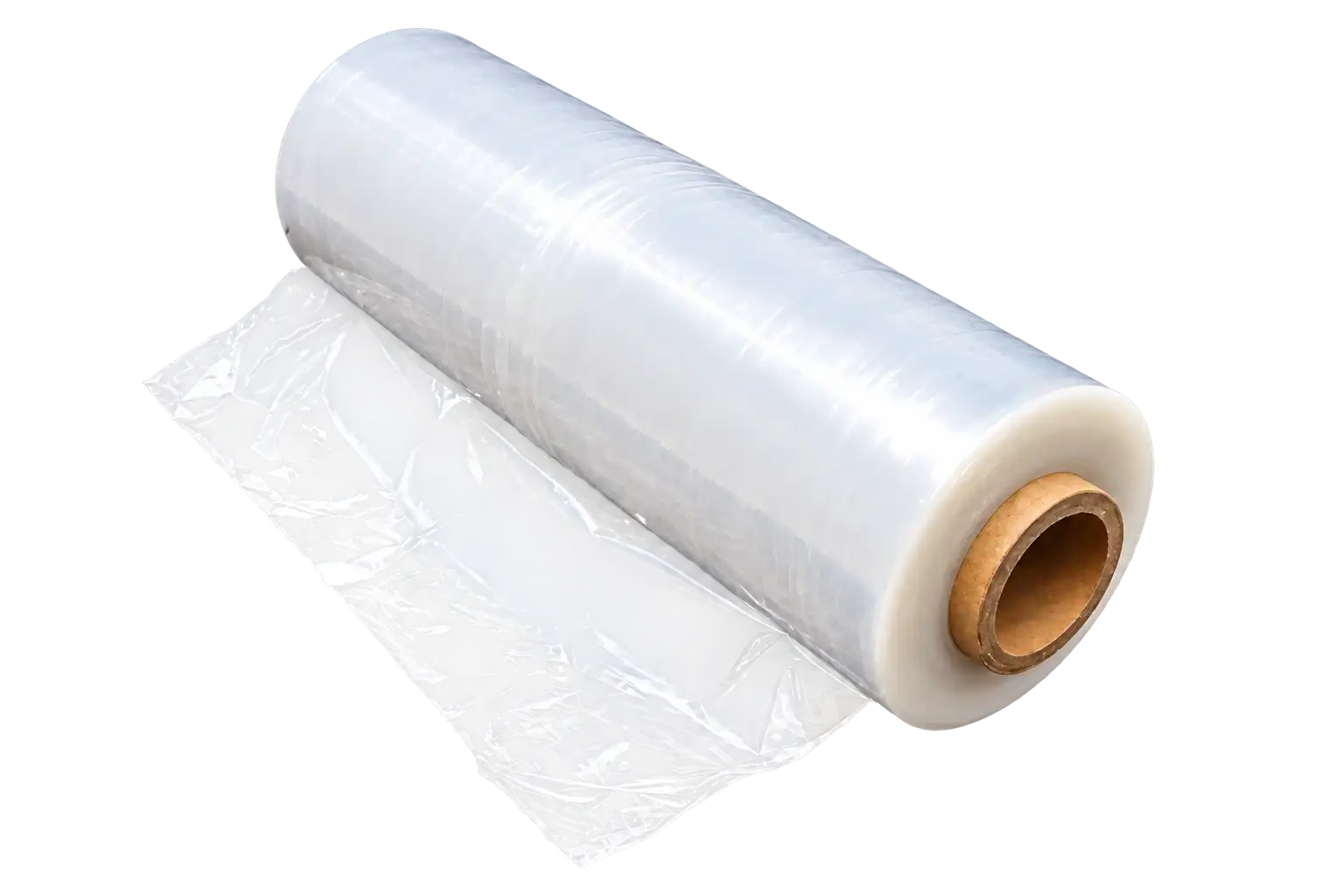
Stretch Film Slitting Rewinding Machine
Convert Jumbo Stretch Film Rolls into Practical Packaging Sizes
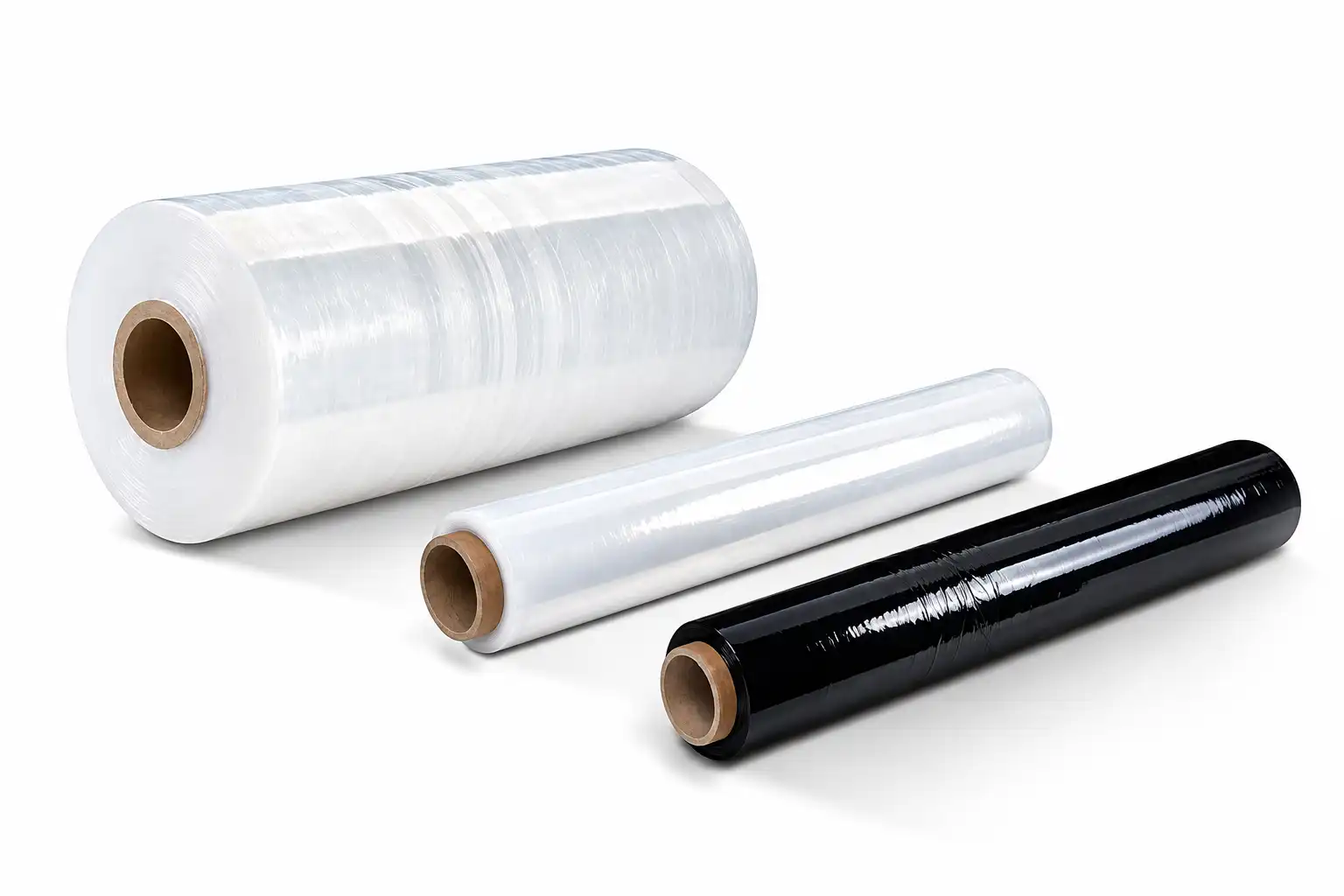
A Stretch Film Slitting Rewinding Machine is a machine that is used to transform wide parent rolls into narrower rolls for wrapping and packaging. The film is unwound, sliced to the desired width and rewound onto separate cores.
Careful handling is important for stretch film throughout the process. The correct combination of web tension, slitting and winding pressure helps generate consistent rolls with out stretching the material unduly.
Request a Quote
Contact us today for machine specifications, pricing, and customized solutions.
Reliable Slitting for Stretch Film Conversion
Packaging vendors sometimes require the same stretch film in a variety of roll widths. By slitting they can take a larger parent roll and produce it in widths for different wrapping jobs instead of having separate stocks for each width.
In conversion, the film goes via the cutting area and on to the rewind cores. Clean cut and smooth film movement assist maintain uniform widths and tidy roll edges.
Machine set-up should be compatible with film thickness, parent roll dimensions, completed roll size and core requirements of the production job.
Slitting And Rewinding Machine For Stretch Film
Rewind stretch film in a controlled manner since it stretches easily under tension. If you pull too hard, you will deform the web; if you don’t pull hard enough, the end roll will be loose or uneven.
A good Slitting And Rewinding Machine For Stretch Film balances the circumstances of film feed and winding as the material builds up on the core. This preserves a similar structure of roll during the run.
Choosing the right slit widths and winding settings is critical to prepare rolls that are easy for converters to pack, store and utilize for varied orders.
Why Controlled Winding Matters for Stretch Film
A finished roll should unwind evenly when it reaches the packaging line. Uneven tension during conversion can lead to wrinkles, loose winding or sideways movement of the wound layers.
Good roll formation depends on more than a clean cut. Film alignment, core positioning and winding pressure also affect how the material sits on the roll. Paying attention to these details helps converters prepare neatly wound stretch film rolls that are easier to handle and more consistent in use.
35+ Years of Manufacturing Experience
Precision Engineering & Quality Manufacturing
Customized Machine Configurations to Your Needs
Fast and Reliable After-Sales Support
Packaging Applications
- In-House Roll Conversion: Prepare required stretch film sizes within an existing packaging operation.
- Packaging Material Supply: Convert jumbo rolls into widths and roll formats requested by distributors and end users.
- Industrial Product Wrapping: Prepare film for wrapping suitable goods and protecting their surfaces during handling.
- Warehouse Operations: Supply stretch film roll sizes for routine packing, storage and shipment preparation.
- Narrow Roll Bundling: Produce narrower rolls for grouping suitable products, cartons and industrial components.
- Manual Packaging: Convert stretch film into suitable hand wrapping roll formats, depending on the machine configuration.
- Pallet Wrapping: Prepare film roll widths used for holding palletised goods together during handling and dispatch.
Key Features
- Roll Format Selection: Machine selection takes account of core dimensions, finished roll diameter and required widths.
- Suitable Cutting Arrangement: Blade type and slitting method are selected according to the material and job.
- Rewind Core Positioning: Supports correct alignment of cores for neat roll formation.
- Winding Pressure Control: Helps match roll build-up to the characteristics of the stretch film.
- Coordinated Film Feed: Supports steady material movement through the converting sections.
- Film Tension Management: Helps control the web during unwinding and rewinding.
- Adjustable Slitting Setup: Sets cutting positions according to the required finished roll widths.
Frequently Asked Questions
Share the film type and thickness, parent roll width and diameter, required slit widths, core size and finished roll dimensions. These details help identify the appropriate machine arrangement.
No. This machine converts existing stretch film rolls into different widths and roll formats. Manufacturing the film itself requires a separate extrusion process.
This depends on the required roll width, length, diameter, weight and core size. These details should be shared before selecting a configuration for either application.
Stretch film can elongate when pulled too tightly. Controlled tension helps limit unwanted stretching and supports more even winding, while avoiding a loose roll structure.
Different widths can be produced within the machine’s working range. The minimum slit width and number of finished rolls depend on the cutting arrangement, core setup and film characteristics.
The intended material is stretch film. Compatibility with a particular film grade, thickness or formulation should be checked against the selected machine configuration.
It is a converting machine that cuts a wide stretch film roll into narrower widths and rewinds the material onto separate cores. It is used to prepare rolls for different wrapping and packaging requirements.