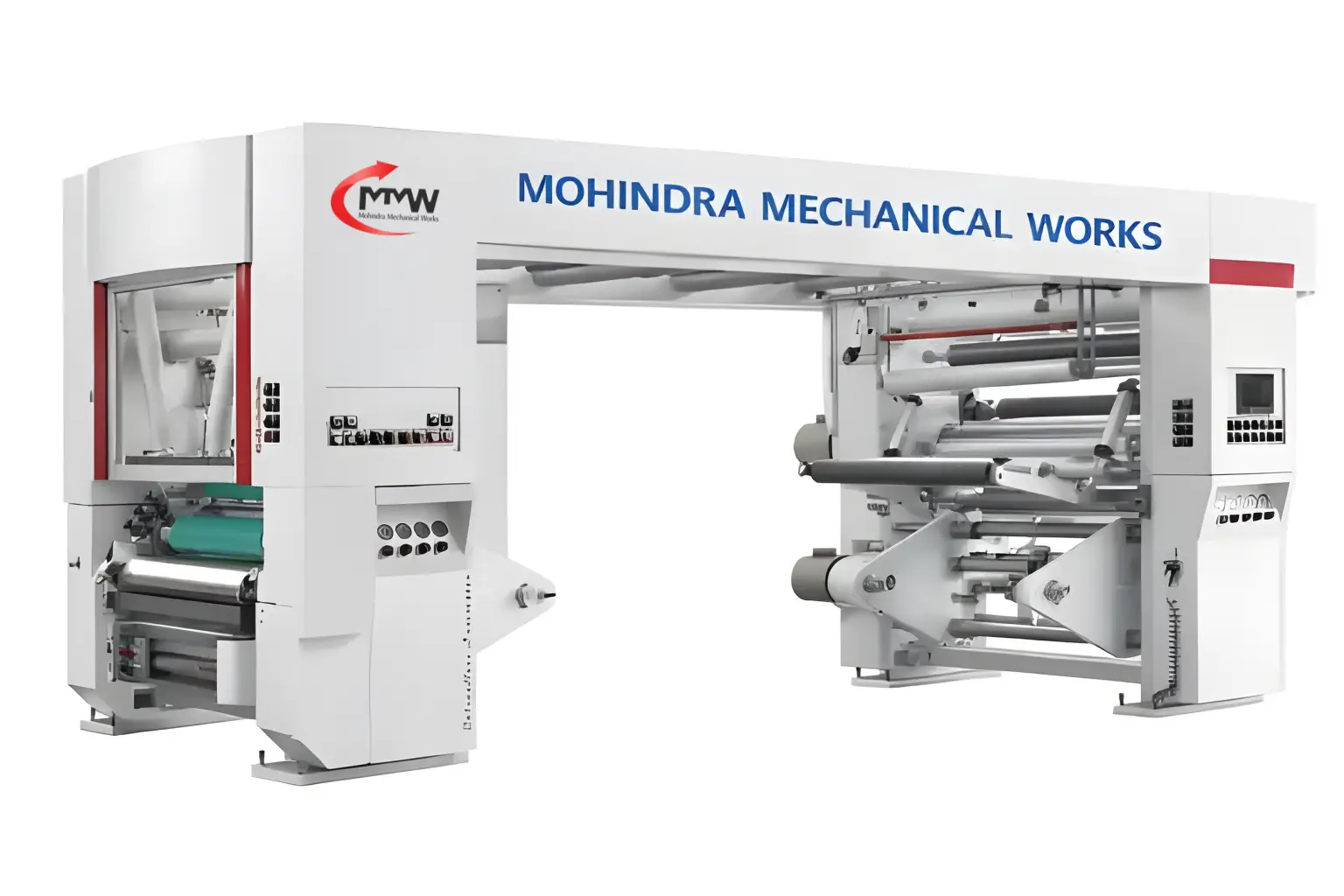
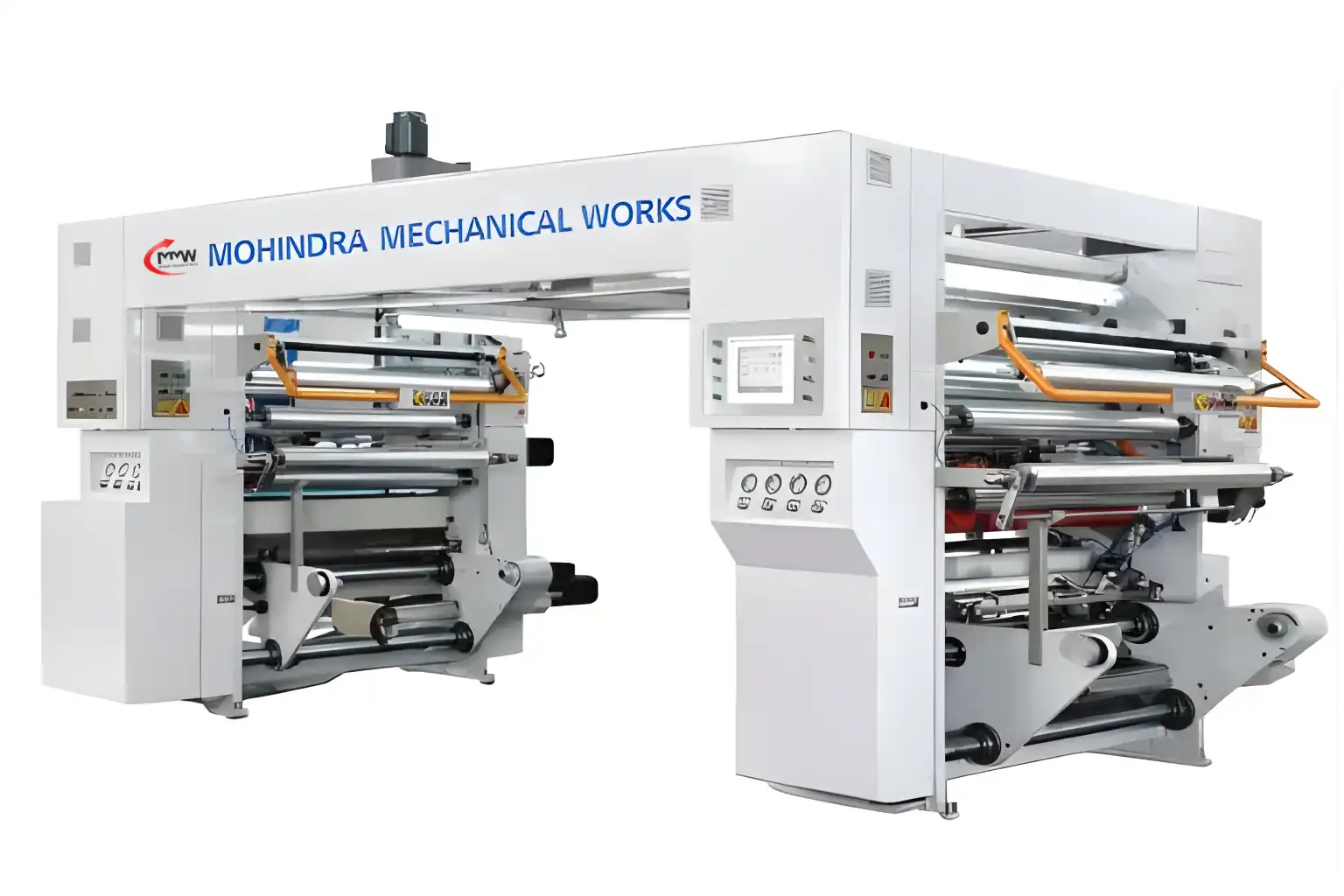
450 MTR/MIN - Solventless Lamination Machine
Built for High-Output Flexible Packaging Production
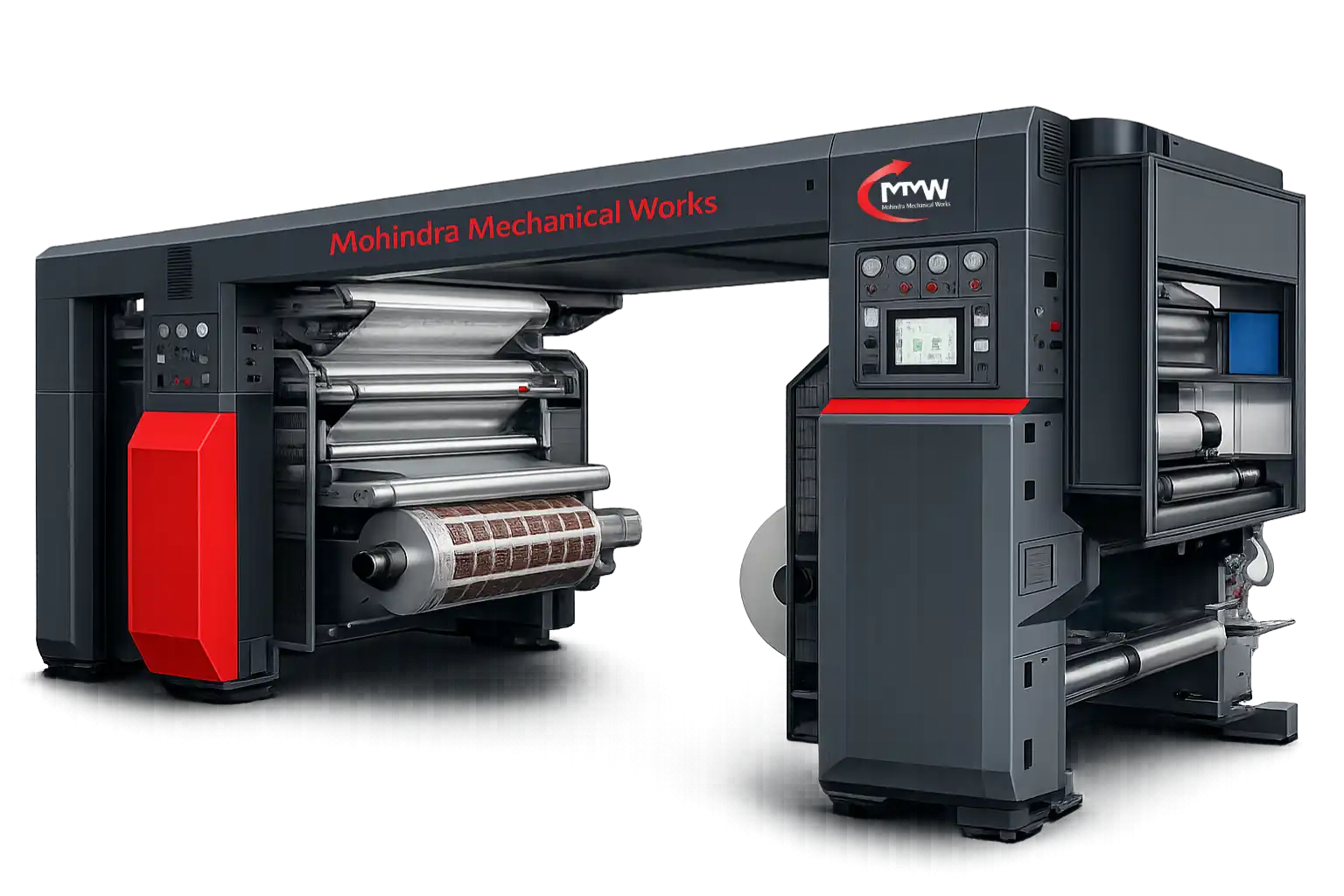
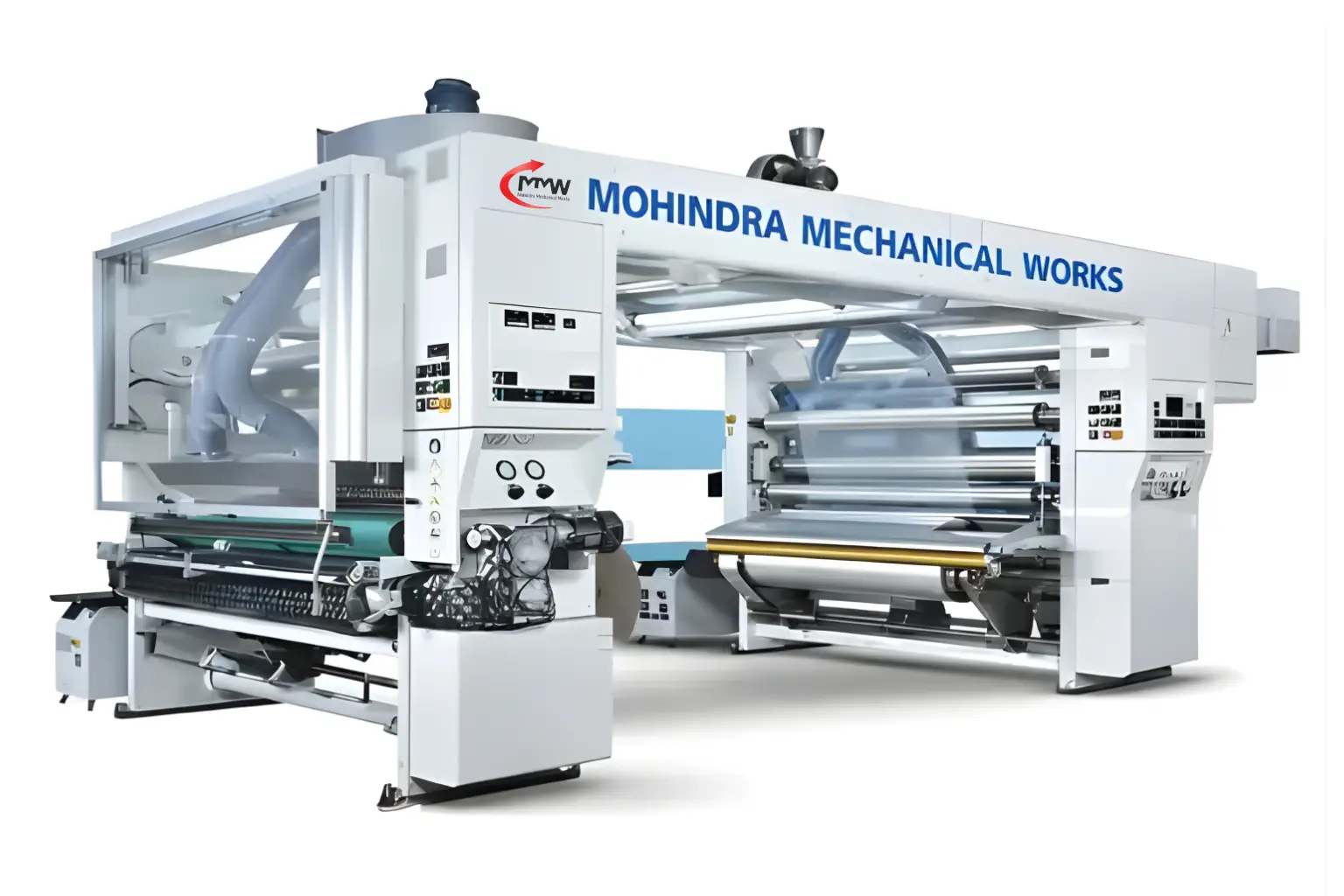
Our Solventless Lamination Machine is engineered for demanding flexible packaging production with speeds of up to 450 meters per minute. The machine uses precisely metered solvent-free adhesive to achieve uniform bonding between compatible flexible substrates.
Its stable web handling, accurate tension control and precision adhesive application support smooth lamination even at high operating speeds. The machine is suitable for film-to-film, film-to-foil and metallized film structures used across modern flexible packaging applications.
The solventless process eliminates the conventional solvent drying stage, supporting high productivity, efficient operation and reduced drying-energy requirements.
Request a Quote
Contact us today for machine specifications, pricing, and customized solutions.
Engineered for High-Speed and Consistent Lamination
Running a lamination process at speeds of up to 450 MTR/MIN requires precise coordination between unwinding, adhesive application, web tension, lamination and rewinding. The machine is engineered to maintain stable substrate movement throughout these critical production stages.
A precision adhesive metering system applies a controlled quantity of solventless adhesive across the working width. The coated primary web is then combined with the secondary substrate under controlled nip conditions to achieve consistent contact and bonding.
Accurate tension and web-guiding controls help minimize wrinkles, tracking variation and roll-quality issues during continuous high-speed production.
Designed for Flexible Film, Foil and Metallized Laminates
The 450 MTR/MIN Solventless Lamination Machine is suitable for producing a wide variety of multilayer flexible packaging structures. Depending on the selected machine configuration and adhesive system, compatible substrates can include PET, BOPP, CPP, PE, metallized films and aluminium foil.
During production, solventless adhesive is precisely metered and transferred onto the primary substrate. The coated web is combined with the secondary material at the laminating section and subsequently rewound under controlled tension.
Its high-speed design makes the machine particularly suitable for flexible packaging converters requiring continuous production, consistent laminate quality and efficient roll-to-roll processing.
Why 450 MTR/MIN Matters for High-Volume Converters
For converters handling large production volumes, machine output depends on more than maximum line speed. Stable acceleration, controlled tension, accurate web tracking and consistent adhesive transfer are equally important for maintaining productive running conditions.
The 450 MTR/MIN configuration is intended for plants where shorter production cycles and increased roll throughput are priorities. By using solventless adhesive technology, the process also avoids the conventional solvent-evaporation drying stage.
This combination of higher line speed and controlled roll-to-roll processing makes the machine suitable for manufacturers expanding flexible packaging capacity.
35+ Years of Manufacturing Experience
Precision Engineering & Quality Manufacturing
Customized Machine Configurations to Your Needs
Fast and Reliable After-Sales Support
Packaging Applications
- General Flexible Packaging: Handles various compatible multilayer structures required by high-volume flexible packaging converters.
- Detergent & Refill Packs: Suitable for flexible laminate structures converted into household-product and refill pouches.
- Printed Consumer Packaging: Protects printed layers by combining them with suitable sealant or functional films.
- High-Barrier Packaging Structures: Processes compatible metallized film and foil combinations used where additional barrier properties are required.
- Frozen Food Packaging: Suitable for compatible laminate structures designed for selected frozen-food packaging applications.
- Stand-Up & Zipper Pouches: Produces laminated roll material for subsequent pouch-making and converting operations.
- Snack & Confectionery Packs: For multilayer laminates used in chips, namkeen, biscuits, chocolates and similar packaging.
Key Features
- Operator-Controlled Process Parameters: Important production settings can be monitored and adjusted according to job requirements.
- Controlled Lamination Pressure: Provides consistent substrate contact across the working width.
- Web Alignment Control: Maintains accurate material tracking before the substrates enter the lamination section.
- Precision Metering Section: Delivers the required quantity of solventless adhesive uniformly onto the substrate.
- Responsive Tension Regulation: Helps compensate for changing roll diameters while maintaining controlled web tension.
- Synchronized Web Movement: Coordinated machine sections support stable substrate travel during acceleration and continuous running.
- 450 MTR/MIN Line Speed: Designed for high-throughput commercial lamination operations.
Frequently Asked Questions
Its primary advantage is higher production throughput combined with controlled high-speed web handling, making it appropriate for converters looking to increase lamination capacity.
Yes. Parameters such as working width, roll dimensions, web-handling arrangement and automation level can be configured according to production requirements.
The combined laminate passes to the rewinding section, where controlled winding conditions help form a stable finished roll. Further adhesive curing takes place according to the adhesive manufacturer's specified conditions.
Yes. It can laminate compatible printed substrates with sealant, barrier or other functional layers for flexible packaging production.
Yes, compatible metallized films can be processed with suitable secondary substrates and an appropriate solventless adhesive system.
The machine combines controlled tension, web guiding and synchronized material movement to maintain stable substrate travel through the lamination process.
The machine is designed for speeds up to 450 MTR/MIN. Actual production speed depends on factors such as substrate combination, adhesive characteristics, roll condition and job parameters.
This model is particularly suited to flexible packaging converters requiring higher production throughput and running frequent or larger-volume lamination jobs.