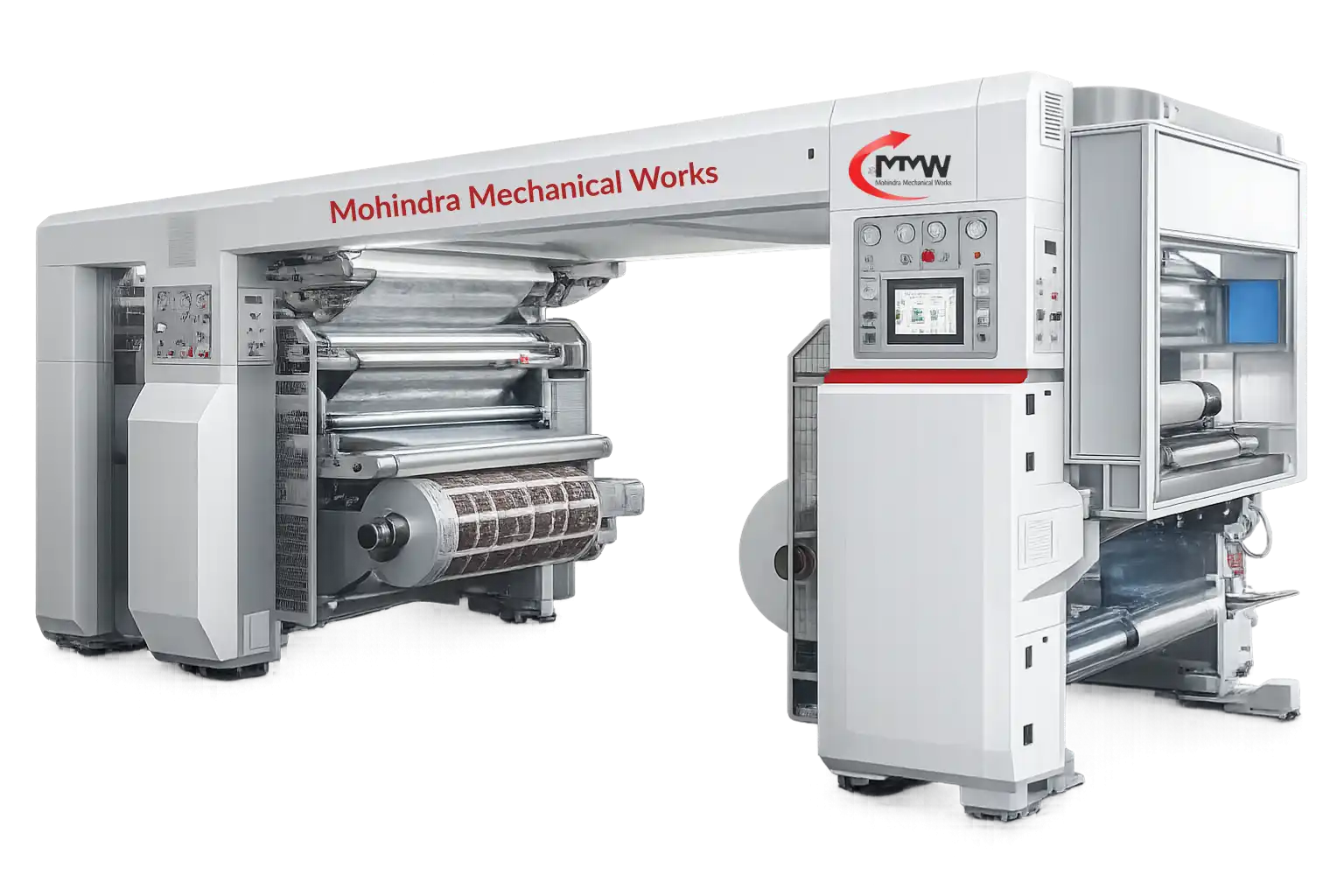
Combi Lamination Machine
Dual Lamination Technology for Greater Production Flexibility
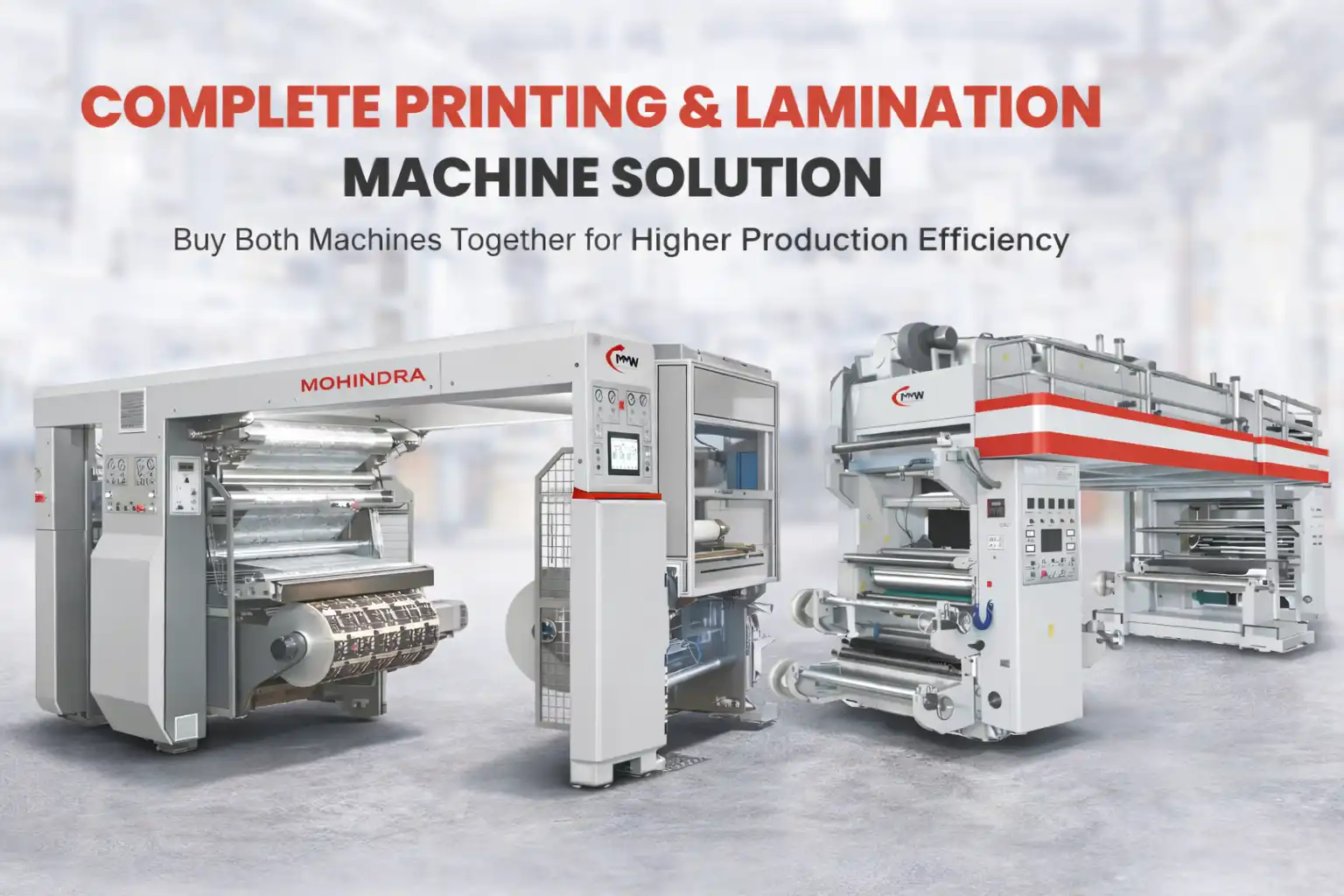
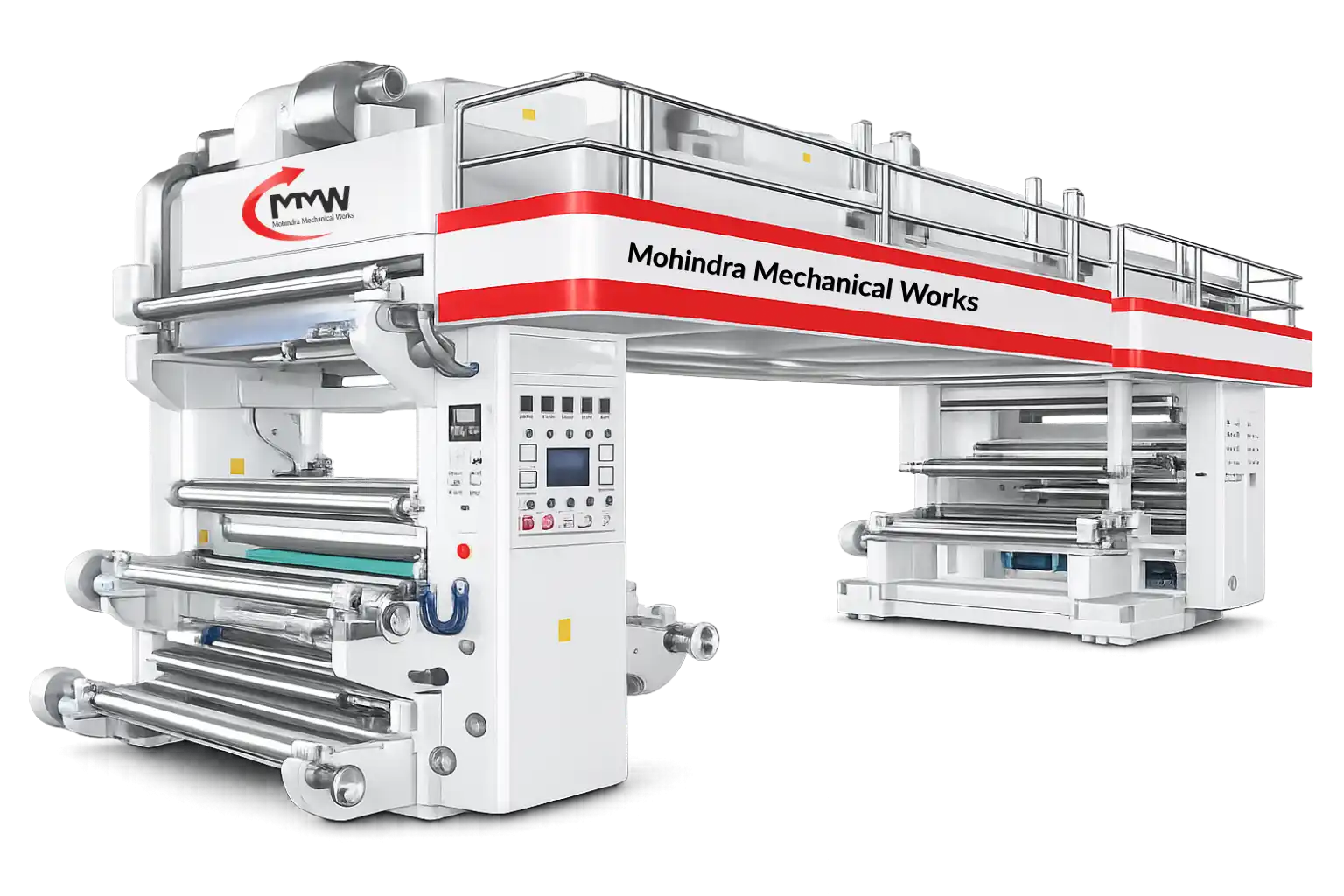
Our Combi Lamination Machine integrates solventless and solvent-based lamination capabilities in a single production platform, giving flexible packaging converters greater freedom to select the appropriate process for different laminate structures and job requirements.
The solventless section supports efficient adhesive application without a solvent-evaporation drying stage, while the solvent-based configuration provides controlled coating and drying for applications requiring conventional solvent-based adhesives.
With precise web tension, accurate coating control, efficient drying and stable rewinding, the machine is designed for consistent laminate production across a broad range of flexible packaging substrates.
Request a Quote
Contact us today for machine specifications, pricing, and customized solutions.
Two Lamination Processes, One Versatile Platform
Different packaging structures can require different adhesive technologies. A Combi Lamination Machine gives converters the flexibility to handle these changing requirements without depending on separate dedicated production lines.
For solventless jobs, accurately metered adhesive is transferred to the substrate before the two webs are combined at the lamination nip. For solvent-based jobs, adhesive is applied to the web and the coated substrate passes through the drying section to remove solvent before lamination.
This combined arrangement makes the machine particularly useful for converters producing multiple packaging structures with varying adhesive, substrate and end-use requirements.
Engineered for Multi-Process Flexible Packaging Production
The machine is designed to process compatible substrates such as PET, BOPP, CPP, PE, metallized films and aluminium foil, depending on the selected configuration, adhesive system and final application.
Carefully coordinated unwinding, coating, drying, laminating and rewinding sections maintain controlled web movement throughout production. Accurate tension regulation and web guiding help keep substrates properly aligned, while controlled winding supports uniform finished-roll formation.
The ability to work with two lamination technologies allows manufacturers to respond more efficiently to changing customer specifications and packaging structures.
Why Choose a Combi Lamination Machine?
A dedicated lamination line can restrict production to a particular adhesive process. A Combi Lamination Machine provides greater manufacturing flexibility by bringing solventless and solvent-based capabilities together on one platform.
Converters can use solventless technology for suitable high-productivity jobs and select solvent-based lamination when a particular substrate, adhesive or packaging specification calls for it.
This versatility can help packaging manufacturers expand their job range, improve machine utilization and adapt production to different laminate requirements.
35+ Years of Manufacturing Experience
Precision Engineering & Quality Manufacturing
Customized Machine Configurations to Your Needs
Fast and Reliable After-Sales Support
Packaging Applications
- Specialty Laminate Structures: The dual-process arrangement provides flexibility for jobs requiring different adhesive technologies and substrate combinations.
- Personal & Home-Care Packs: Suitable for laminate structures used in detergents, hygiene products and other consumer-product packaging.
- Printed Flexible Packaging: Combines printed films with compatible functional or sealant layers to create finished laminate structures.
- Stand-Up & Flexible Pouches: Produces laminated roll material for subsequent conversion into stand-up, zipper, centre-seal and other pouch formats.
- High-Barrier Laminates: Suitable for compatible structures incorporating metallized films or aluminium foil for selected barrier-packaging requirements.
- Food & Snack Packaging: For multilayer structures used in snacks, confectionery, spices, dry foods and other flexible food packs.
Key Features
- Flexible Substrate Handling: Suitable for various compatible films, metallized substrates and foil structures.
- Controlled Lamination Nip: Helps maintain uniform contact between substrates during lamination.
- Web Guiding Control: Supports proper alignment of substrates throughout the production process.
- Accurate Web Tension Management: Maintains stable substrate movement through different stages of the machine.
- Efficient Drying Section: Provides controlled drying for solvent-based adhesive applications.
- Precision Adhesive Application: Controlled coating and metering systems support consistent adhesive transfer according to the selected process.
- Dual Lamination Capability: Combines solventless and solvent-based lamination processes within one machine platform.
Frequently Asked Questions
It is particularly suitable for flexible packaging converters handling diverse laminate structures and requiring the flexibility to run both solventless and solvent-based lamination jobs on a combined production platform.
Yes. The machine can be configured according to working width, roll size, substrate requirements, coating requirements, automation level and intended applications.
Yes. Compatible printed films can be laminated with suitable secondary substrates for food, consumer-product and other flexible packaging applications.
Depending on machine configuration and adhesive compatibility, the machine can process substrates such as PET, BOPP, CPP, PE, metallized films and aluminium foil.
Depending on machine configuration and adhesive compatibility, the machine can process substrates such as PET, BOPP, CPP, PE, metallized films and aluminium foil.
Combining both processes provides greater production flexibility. A converter can handle a wider range of laminate specifications without relying exclusively on one adhesive technology.
Solventless lamination uses adhesive without a solvent-evaporation stage. Solvent-based lamination uses adhesive containing solvent, which requires controlled drying before the substrates are laminated.
A Combi Lamination Machine combines solventless and solvent-based lamination capabilities in one production system, allowing converters to select a suitable process according to the packaging structure and adhesive requirements.