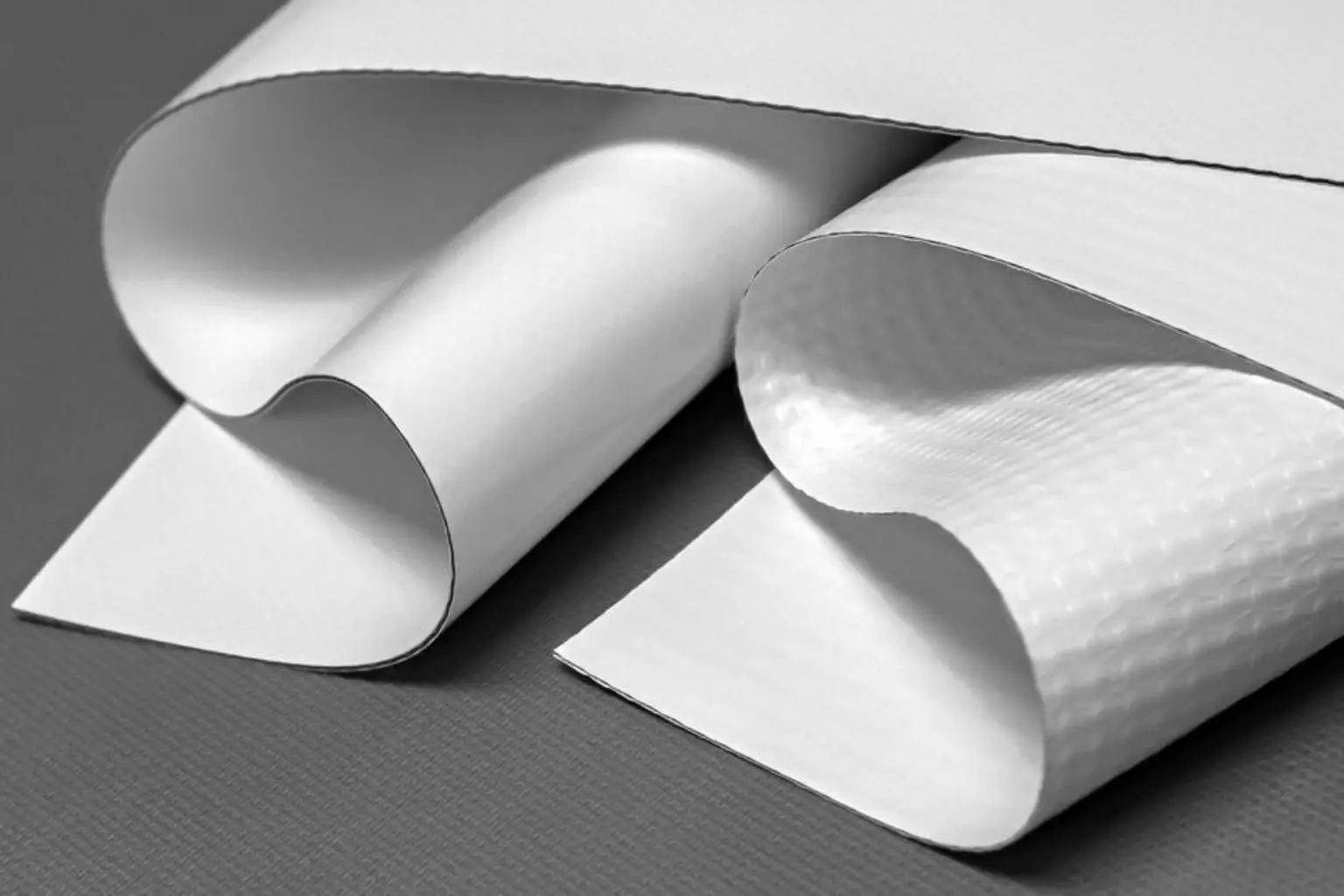
Fabric & PVC Film Lamination Machine
Cloth & PVC Film Lamination Machine for Uniform and Reliable Bonding
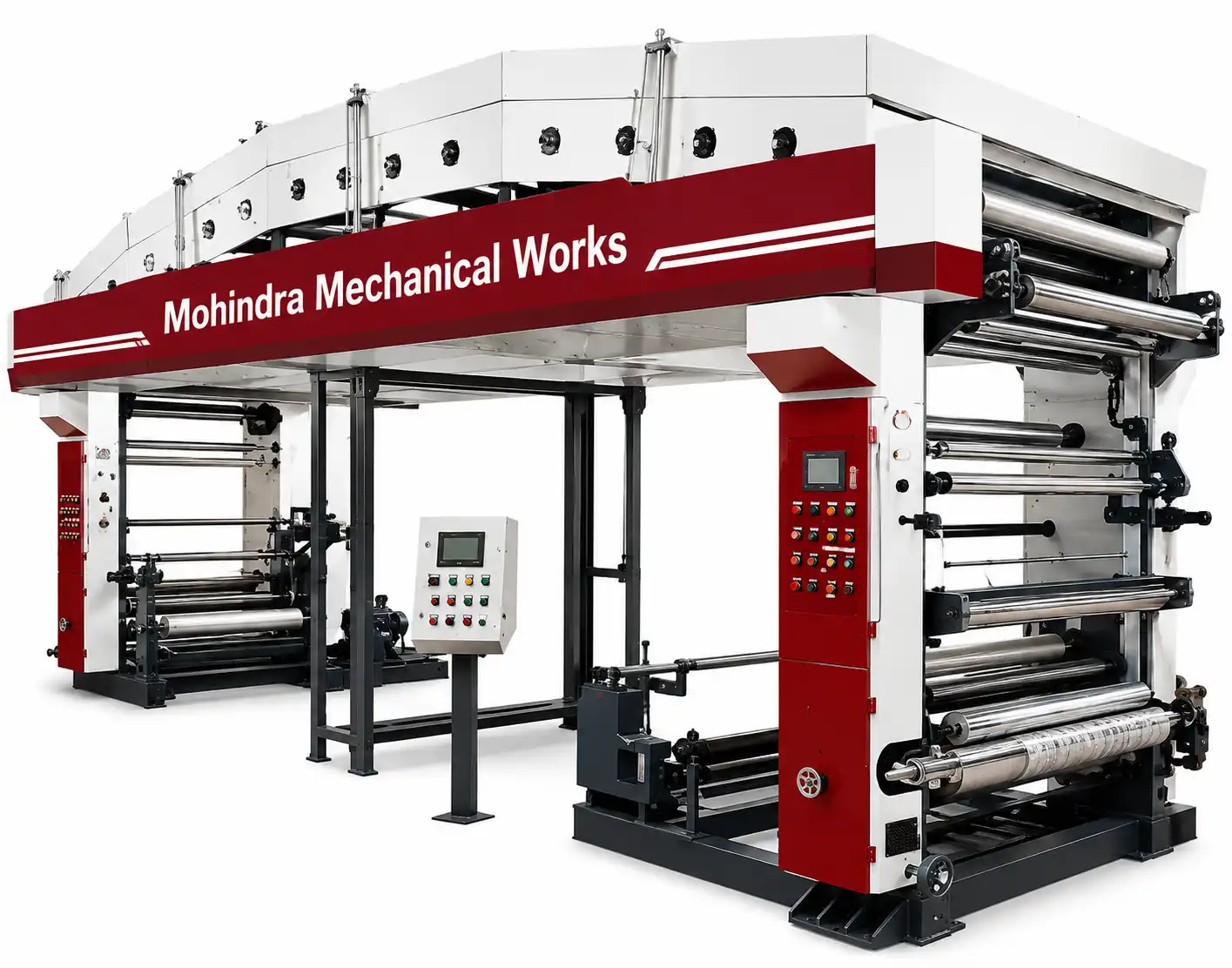
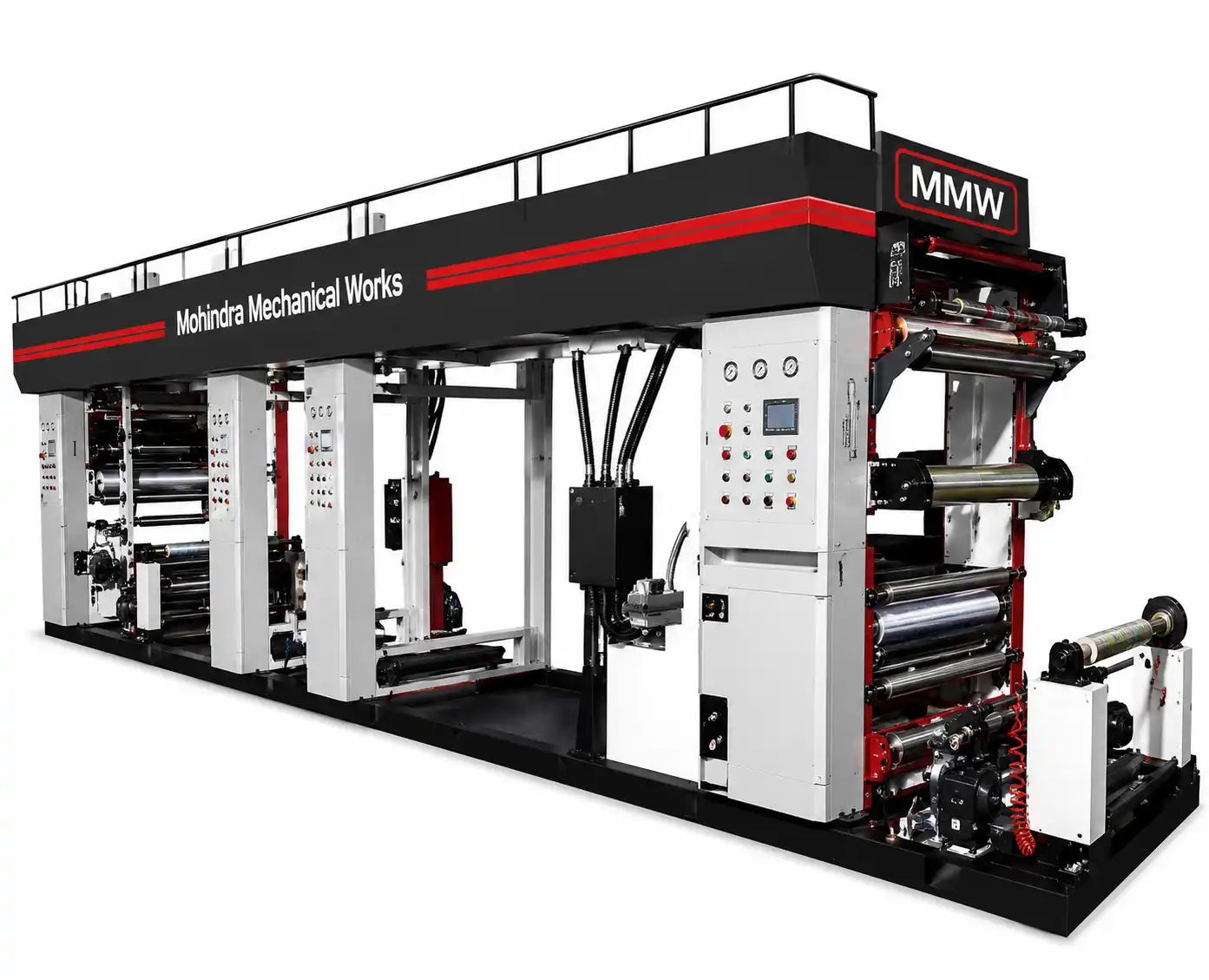
The Fabric & PVC Film Laminating Machine, or Cloth & PVC Film Laminating Machine as well, has been designed to laminate the compatible textile or fabric with the PVC film in roll form continuously. The laminating machine will facilitate you with controlled application of adhesive and feeding of materials in a controlled way along with controlled pressure for lamination.
Being designed in order to accommodate the characteristics of both the PVC film and the fabric material, the machine will ensure controlled tension in the whole process in order to avoid any wrinkles and stretching of the material during lamination.
Request a Quote
Contact us today for machine specifications, pricing, and customized solutions.
Controlled Lamination of Cloth, Fabric & PVC Film
PVC film and textiles react in different ways during processing. Although PVC film requires tension stability and temperature stability, the cloth or fabric can distort or wrinkle if web motion is not carefully handled.
The machine has been designed such that the two materials are synchronized as they go through the coating and lamination stations. Adhesive is added to the required substrate and then the fabric and the PVC film are joined together under nip pressure.
This process ensures that the finished product has a good laminate finish and bond but keeps its original shape and structure.
Designed for Different Textile and PVC Structures
The Cloth & PVC Film Lamination Machine can be customized for various compatible cloth materials, which include selected woven fabrics, non-woven fabrics, and other types of roll-based cloths.
This machine can also take in various PVC film configurations based on the desired output material. Various production conditions such as web tension, coating process, drying process, and lamination pressure can be customized based on the materials used in production.
This means that various types of PVC laminated fabrics and cloth composites can be produced using one production line.
Why Laminate PVC Film with Fabric or Cloth?
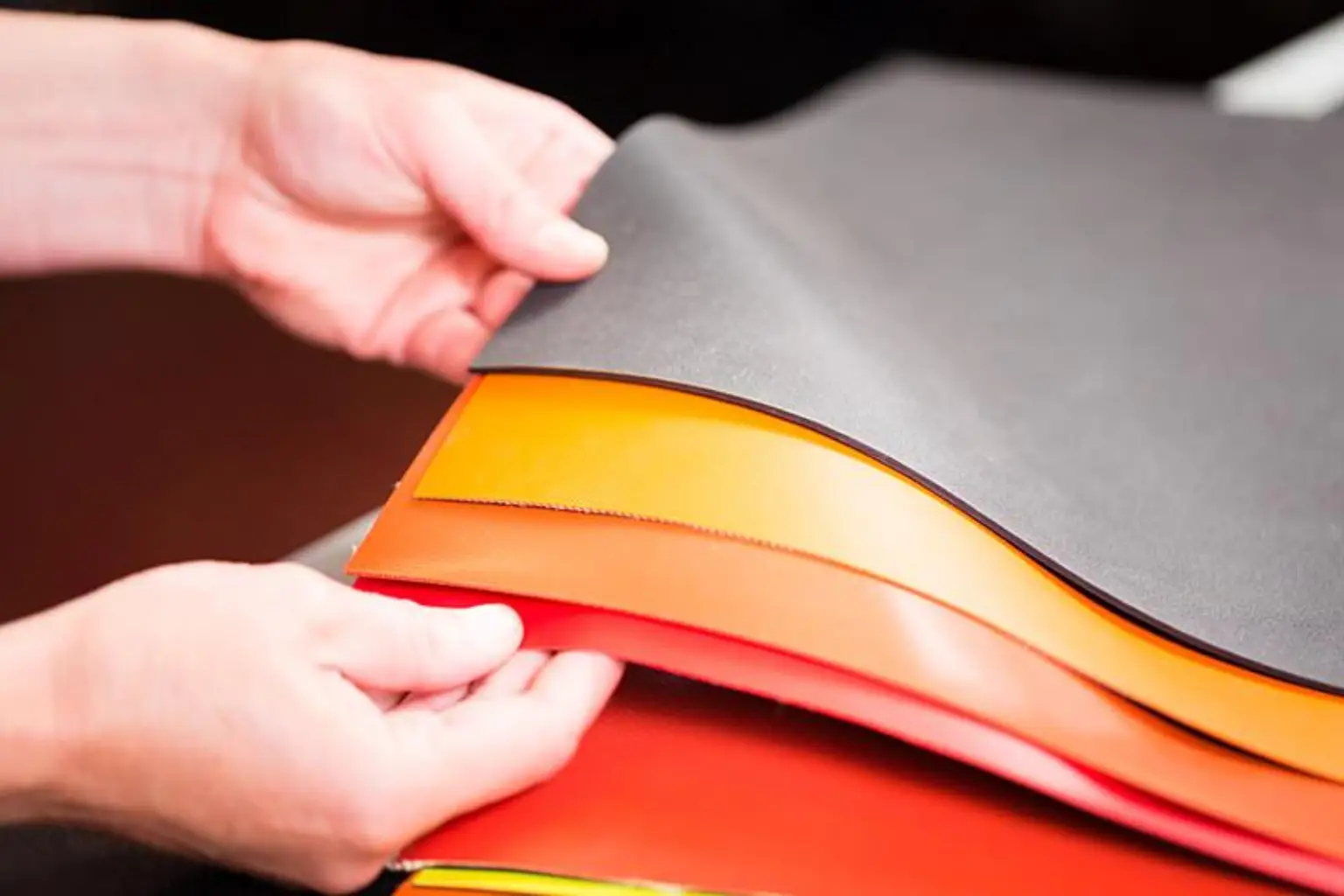
Bonding the PVC film to the textile substrate yields a material that has the advantages of both textiles and PVC films. According to the chosen substrates, the final material can have protective, decorative or easy-to-clean properties, but still retain the strength of the textile.
For the creation of a high-quality laminate, an even spread of the adhesive and proper handling of both substrates during lamination are necessary. Unbalanced tension or pressure may cause wrinkling or poor surface.
There is special machinery available for the efficient lamination of fabrics and PVC films, called Fabric & PVC Film Lamination Machine.
35+ Years of Manufacturing Experience
Precision Engineering & Quality Manufacturing
Customized Machine Configurations to Your Needs
Fast and Reliable After-Sales Support
Packaging Applications
- General-Purpose Laminated Material: Suitable for customized fabric-to-PVC structures according to specific end-product requirements.
- Decorative Laminated Fabrics: Combines compatible PVC films with fabric to create decorative surface finishes and patterns.
- Industrial Coated Fabrics: Suitable for manufacturing reinforced laminated materials used in various industrial products.
- Bags & Luggage Materials: Produces laminated fabric suitable for selected bags, cases and luggage applications.
- Furniture & Upholstery Materials: Suitable for selected laminated fabric structures used in furnishing and upholstery-related products.
- Protective Fabric Covers: For laminated materials used in covers and other applications requiring a PVC surface over a fabric base.
Key Features
- Efficient Drying System: Can incorporate controlled drying where required by the selected adhesive and coating process.
- Accurate Tension Management: Controls the movement of film and fabric throughout the lamination process.
- Adjustable Lamination Pressure: Enables nip conditions to be set according to substrate thickness and production requirements.
- Stable Fabric Handling: Maintains controlled movement of fabric to help reduce wrinkles and unnecessary stretching.
- Uniform Adhesive Coating: Controlled coating helps maintain consistent adhesive distribution across the material width.
- Fabric-to-PVC Lamination: Purpose-built arrangement for bonding compatible PVC film and fabric substrates.
Frequently Asked Questions
Yes. The Fabric & PVC Film Lamination Machine can be configured according to working width, roll diameter, substrate type, coating method, drying requirements, tension-control system and production needs.
Yes, within the machine's specified operating range. Lamination pressure, tension and other process parameters can be adjusted according to the thickness and characteristics of the fabric.
It depends on the selected adhesive technology. If the adhesive requires solvent or moisture removal, the machine can incorporate a suitable controlled drying section before lamination.
The appropriate adhesive depends on the PVC formulation, fabric construction and intended end use. The coating and drying configuration should therefore be selected according to the adhesive system used.
Controlled tension, stable material feeding and web alignment help manage the fabric before it enters the lamination section, reducing unwanted stretching, shifting and wrinkles.
Yes. Compatible printed, coloured or decorative PVC films can be laminated with suitable cloth or fabric substrates when the materials and adhesive system are appropriate for the application.
The machine can be configured for compatible PVC films, woven fabrics, non-woven fabrics and other suitable roll-form textile materials. Final compatibility depends on the substrate and adhesive system.
The terms are commonly used for machines designed to laminate PVC film with textile-based substrates. “Fabric” and “cloth” may refer to different textile constructions depending on the application, while the machine configuration is selected according to the actual material being processed.