Fabric-to-Paper Lamination Machine
Precision Lamination for Fabric and Paper-Based Materials
Our Fabric to Paper Lamination Machine is used for combining fabrics and papers that complement each other and forming them into laminations. The machine is capable of supplying adequate amounts of adhesive and controlling the feeding process to form an even lamination layer.
Because of the different properties of fabrics and papers, such as their surfaces, tensions and handling characteristics, it is important to control both webs independently during production.
Request a Quote
Contact us today for machine specifications, pricing, and customized solutions.
Controlled Bonding of Two Different Substrates
Fabric is flexible and may stretch during processing, while paper requires careful handling to avoid tearing, creasing or excessive tension. The machine is engineered to manage these differences during continuous lamination.
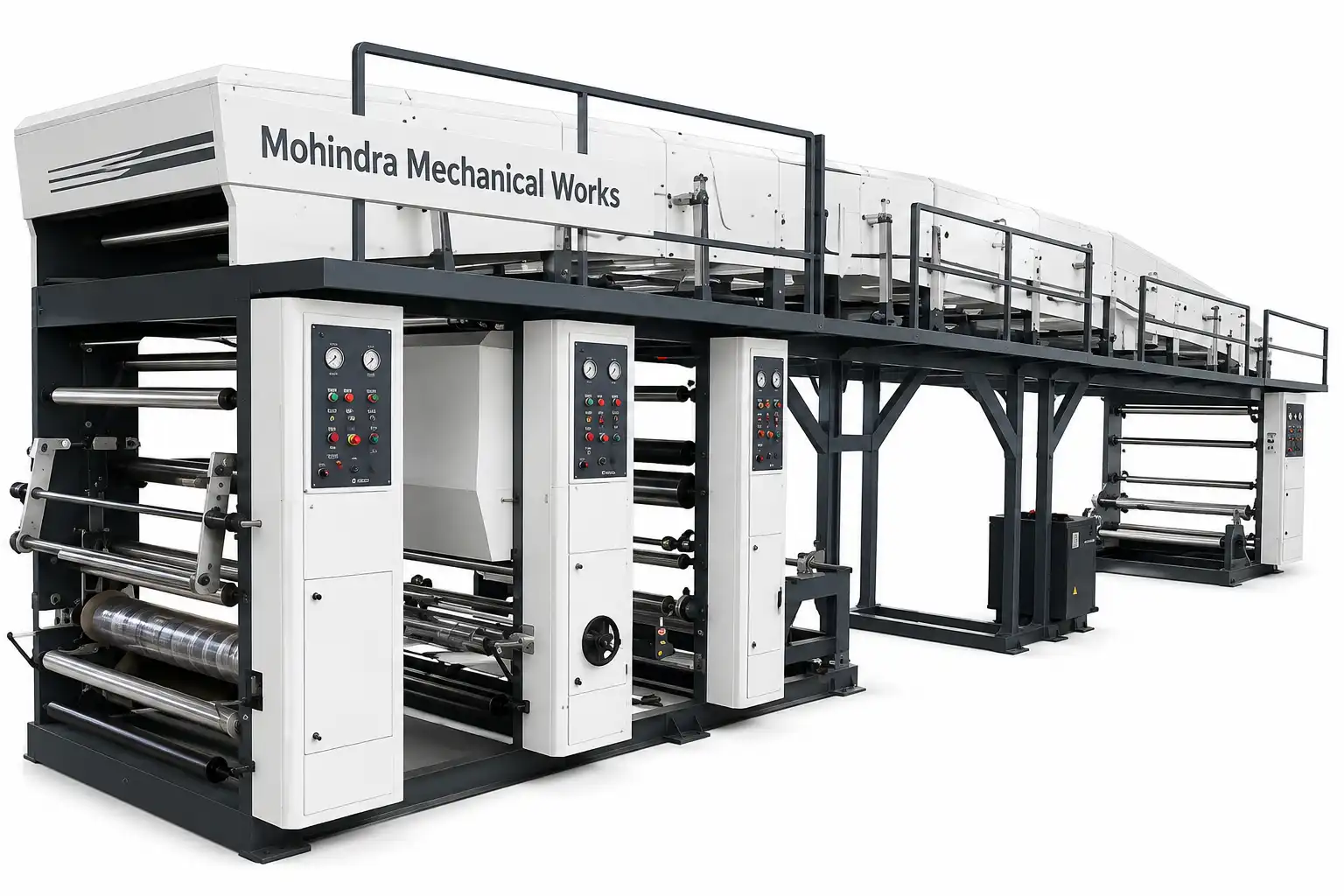
The fabric and paper webs are fed under controlled tension, followed by accurate adhesive application. Both materials are then combined through the lamination section under regulated nip pressure.
Process parameters can be adjusted according to fabric construction, paper grade, adhesive system and required bond characteristics, providing greater flexibility for different production jobs.
Built for Continuous Roll-to-Roll Lamination
The Fabric-to-Paper Lamination Machine is developed around an efficient roll-to-roll production process. Separate unwinding arrangements allow the two substrates to enter the machine smoothly, while web-control systems maintain their alignment before bonding.
Depending on the adhesive technology, the machine can incorporate a suitable coating, heating or drying arrangement. After lamination, the combined material is collected under controlled winding conditions for convenient handling and subsequent processing.
This configuration makes the machine suitable for manufacturers requiring continuous production of paper-backed fabrics and fabric-reinforced paper structures.
Why Laminate Fabric with Paper?
Fabric-to-paper lamination combines two materials with different physical characteristics to create a composite structure for specific converting or end-use requirements.
The fabric layer can contribute reinforcement, texture or textile characteristics, while the paper layer can provide backing, dimensional support or a printable/converting surface, depending on the materials selected.
A dedicated lamination system ensures that adhesive quantity, tension, alignment and bonding pressure remain controlled throughout production, helping manufacturers achieve repeatable finished-material quality.
35+ Years of Manufacturing Experience
Precision Engineering & Quality Manufacturing
Customized Machine Configurations to Your Needs
Fast and Reliable After-Sales Support
Packaging Applications
- Specialty Converted Products: Suitable for manufacturers developing application-specific fabric and paper laminate structures.
- Packaging & Presentation Materials: Can be configured for selected applications requiring textile appearance combined with a paper-based layer.
- Industrial Composite Materials: Suitable for customized fabric-and-paper combinations used in various industrial converting processes.
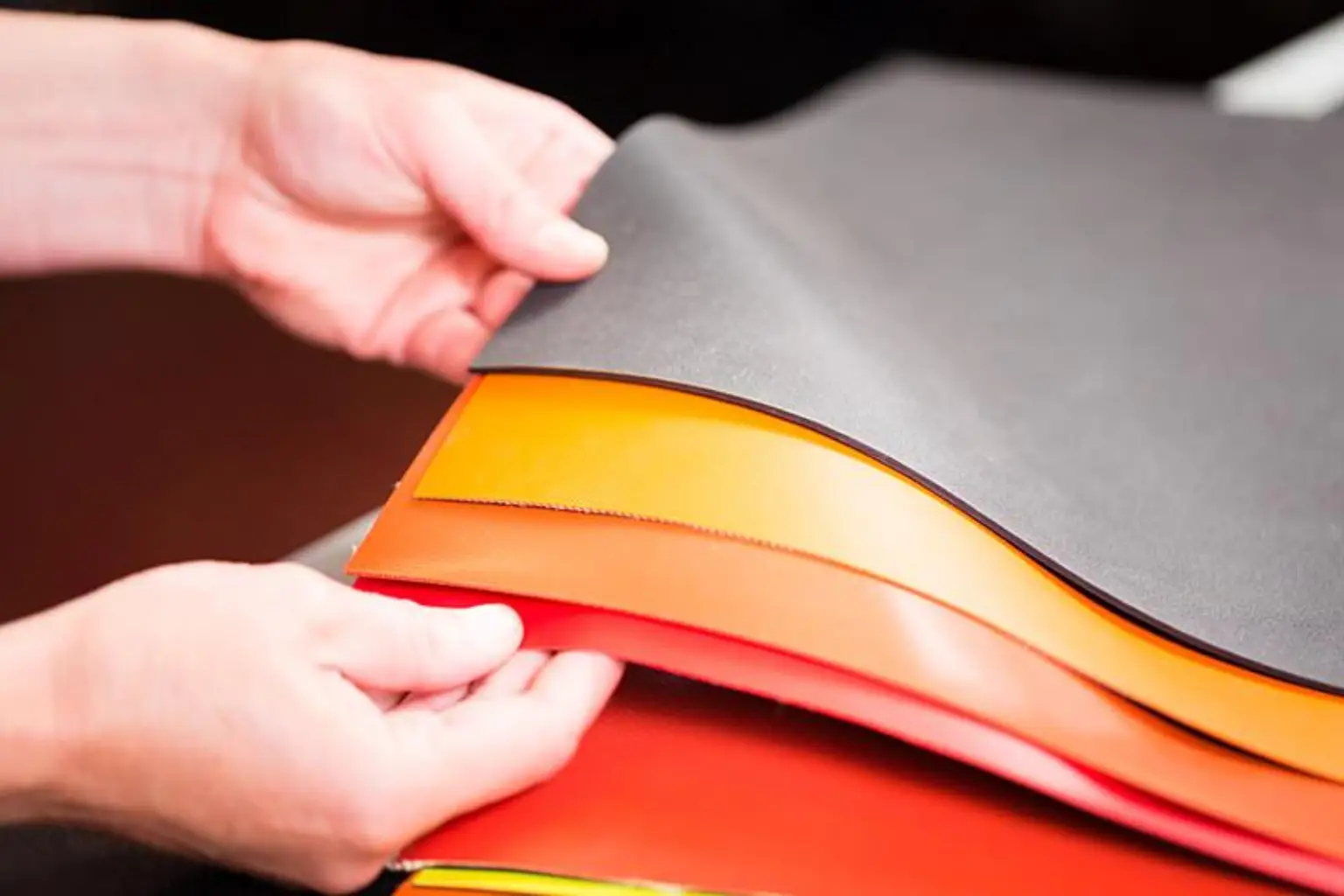
- Decorative Laminated Materials: Combines decorative fabrics with compatible paper substrates for selected furnishing, craft and specialty applications.
- Fabric-Reinforced Paper: Suitable for selected applications where a fabric layer is combined with paper to create a composite structure.
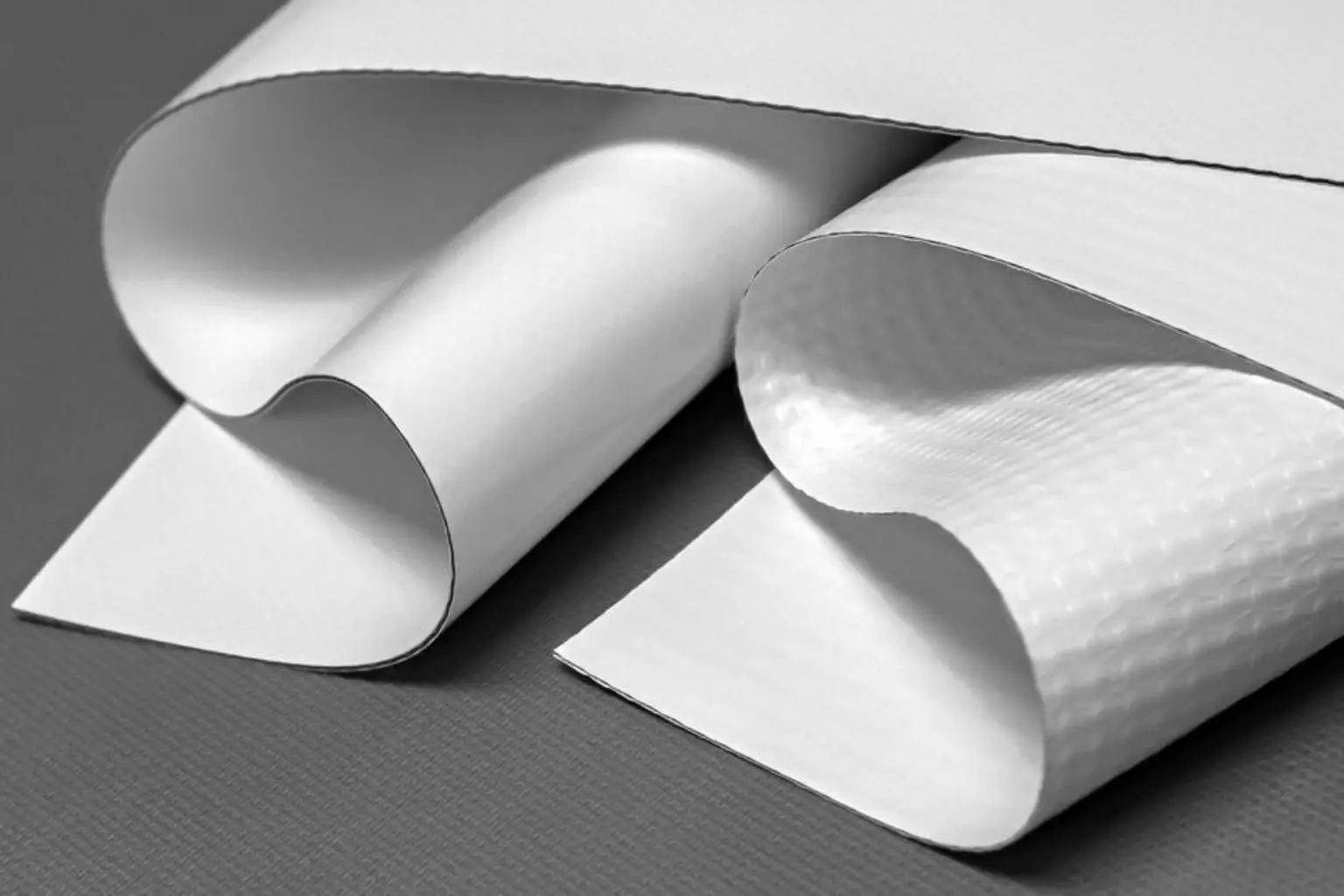
- Paper-Backed Fabric: For producing textile materials laminated with compatible paper backing for further converting.
Key Features
- Controlled Heating / Drying: Suitable process arrangements can be incorporated according to the selected adhesive technology.
- Adjustable Lamination Pressure: Allows nip conditions to be optimized according to substrate thickness and bonding requirements.
- Accurate Web Alignment: Keeps the fabric and paper properly positioned before entering the lamination section.
- Uniform Adhesive Coating: Provides controlled adhesive distribution for consistent bonding across the working width.
- Independent Tension Control: Maintains appropriate tension for each web to help prevent fabric stretching and paper distortion.
- Fabric & Paper Web Handling: Designed specifically to manage two substrates with different physical properties.
Frequently Asked Questions
Compatible printed paper can be laminated with suitable fabric, provided the ink, adhesive and substrate combination is suitable for the required process and end application.
Can printed paper be laminated with fabric?
Fabric and paper behave differently under tension. Independent control helps keep both materials stable and properly aligned without excessively stretching the fabric or stressing the paper.
Controlled tension and smooth web feeding help avoid excessive stress on the paper while it travels through the machine.
Yes. Different compatible paper grades can be handled within the machine's specified operating range. Machine settings should be adjusted according to paper thickness, strength and surface characteristics.
Depending on machine configuration, suitable woven, non-woven and other roll-form fabrics can be processed with compatible paper substrates.
A Fabric-to-Paper Lamination Machine bonds compatible fabric and paper substrates using an appropriate adhesive, creating a combined material in a continuous lamination process.