Registered Embossing Machine
Designed for Accurate Print-to-Emboss Registration and Consistent Decorative Pattern Placement
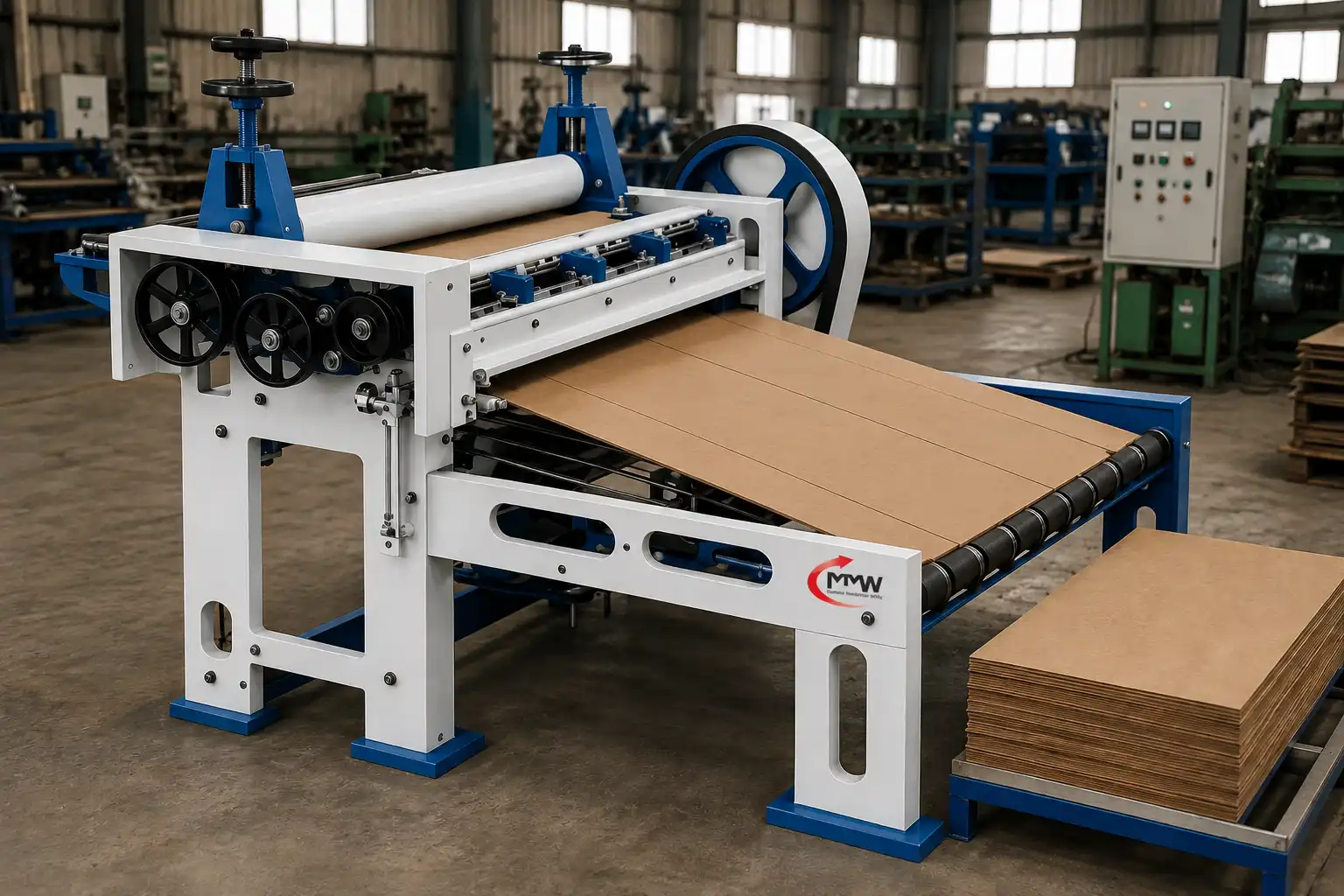
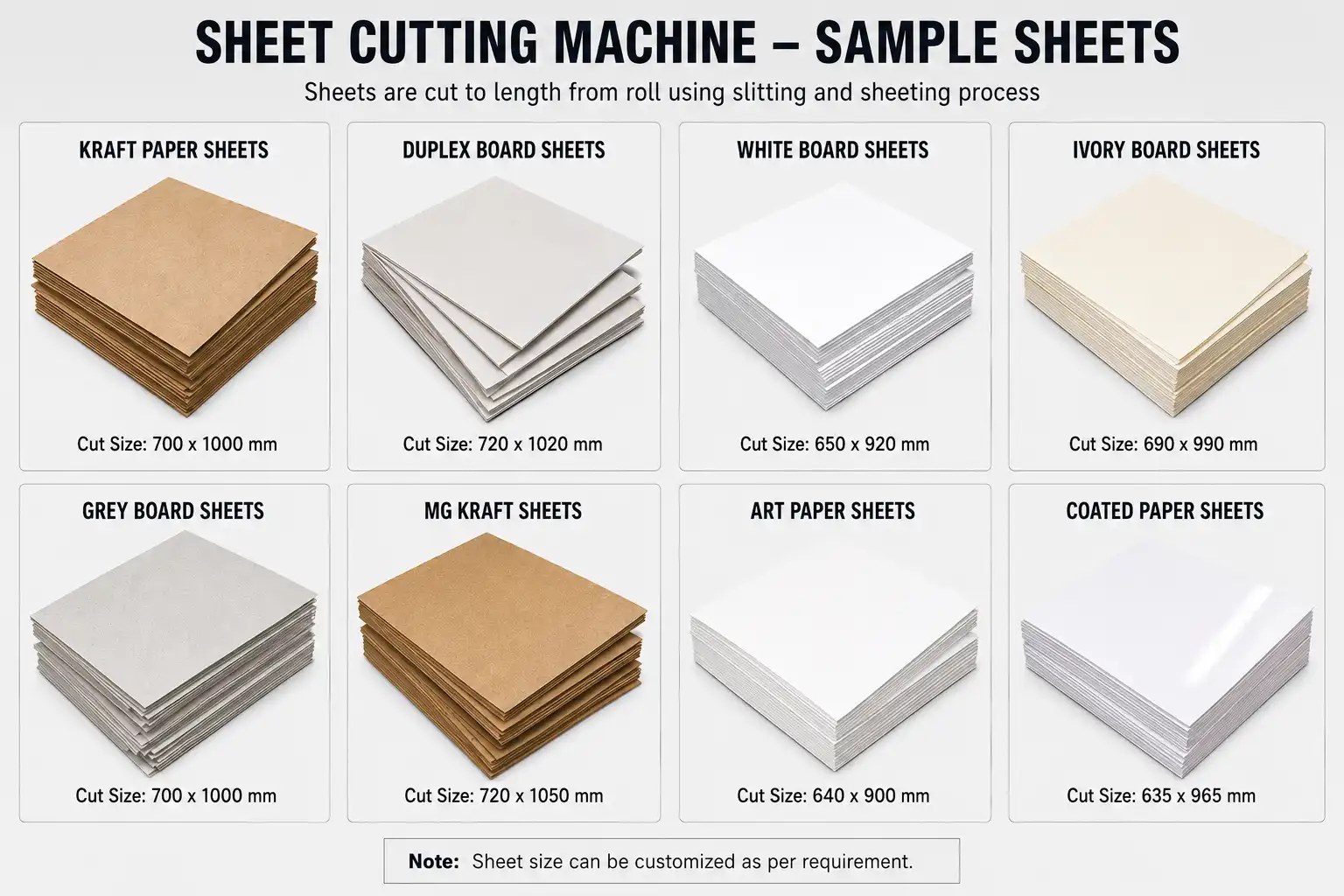
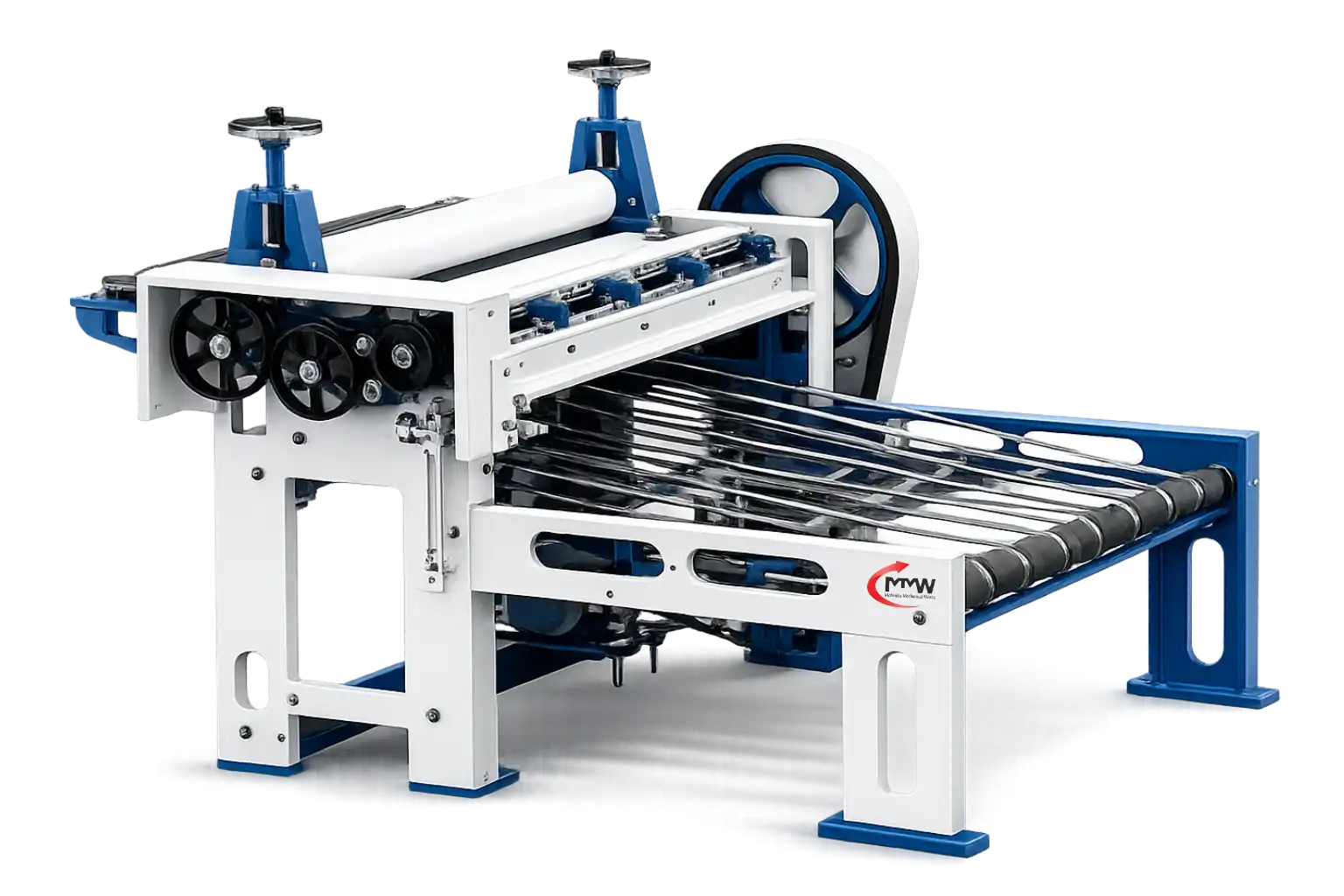
Automatic Paper Jumbo Roll Cutting Machine is a machine that cuts enormous reels of paper into correctly sized sheets, by controlled unwinding, precision feeding and automatic cutting. The PLC-based controls, robust web handling and changeable sheet-length settings enable paper converters to achieve uniform dimensions, neat edges and efficient output with decreased material wastage.
Request a Quote
Contact us today for machine specifications, pricing, and customized solutions.
Engineered for Precise Registered Embossing
It is simple to make an embossed pattern, but it is much harder to place the pattern exactly on top of a printed design. Minor changes in the material feeding, the movement of the rollers, or the repetition of the pattern can cause the impression to move away from the desired artwork. This might lead to rejected sheets, inconsistent finishing and excessive material wasting.
Our Registered Embossing Machine is built specifically for applications where the embossed design must comply with a designated printed area. The machine uses controlled material feeding and matching the printed registration mark to the engraved embossing roller. This allows manufacturers to make repeatable decorative effects without compromising the original print.
Also searched as Registered Engraving Machine, this equipment is suitable for premium packaging, labels, invitation cards, book covers and other products which require accurate pattern positioning. Adjustable pressure, speed and registration settings allow the machine to treat varied materials and embossing designs with guaranteed output stability.
Designed for Accurate Print and Pattern Registration
In the case of registered embossing, a small difference between the printing repeat and the embossing roller circumference can cause a slow pattern displacement. This machine is meant to regulate that fluctuation by coordinating material movement, registration sensing and roller rotation throughout manufacturing. The registration system detects the printed reference mark and corrects the material position prior to the embossing section. Then precision made rollers exert an even pressure over the width of the work . This forms a raised or recessed impression in the desired location . The machine setup can be modified according to the customer’s material width, print repeat, embossing depth, substrate thickness and production speed. This makes it useful for producers seeking more than typical random or continuous surface embossing.
Why Registered Embossing Requires the Right Machine Configuration
Registered embossing is dependent on the cooperation of numerous critical aspects. The printed repeat, registration mark position, roller circumference, material stretch and embossing pressure all have to work together. If any of these parameters are wrong, the pattern may slowly drift away from where it should be.
A Registered Engraving Machine correctly designed helps control these production factors. The registration arrangement checks material position and the controlled embossing portion applies the pattern at the required repeat. This increases finishing consistency and cuts waste on longer runs.
At Mohindra Mechanical Works, the machine configuration is decided after considering the customer’s material, printed sample, embossing pattern and estimated production output. This application based solution helps to provide steady registration, clear pattern generation and practical day to day operation.
35+ Years of Manufacturing Experience
Precision Engineering & Quality Manufacturing
Customized Machine Configurations to Your Needs
Fast and Reliable After-Sales Support
Product Applications
- Specialty Paper Products: Produces registered surface designs on stationery, greeting cards and promotional paper products.
- Book and Diary Covers: Applies controlled decorative patterns to printed covers, laminated paper and binding materials.
- Luxury Packaging: Enhances perfume boxes, jewellery packaging, gift boxes and other high-value packaging products.
- Labels and Tags: Creates registered textures, brand patterns and identification effects on printed labels and product tags.
- Wedding and Invitation Cards: Produces decorative raised or recessed designs aligned with printed borders, logos and artwork.
- Printed Packaging Board: Adds accurately positioned patterns to folding cartons, cosmetic boxes and premium product packaging.
Key Features
- Variable Speed Operation: Allows the operator to select a suitable production speed for different substrates and patterns.
- Stable Material Feeding: Controlled feeding reduces slipping, wrinkles and variations during continuous production.
- Customized Engraved Rollers: Roller designs can be developed according to the customer’s artwork, repeat and product application.
- Adjustable Embossing Depth: Pressure settings can be adapted according to substrate thickness and required pattern definition.
- Uniform Embossing Pressure: Precisely aligned rollers create an even impression across the usable material width.
- Sensor-Based Control: Detects registration marks for controlled and repeatable print-to-emboss positioning.
- Accurate Pattern Registration: Helps align the embossed impression with a predefined section of the printed artwork.
Frequently Asked Questions
Yes. The roller configuration can be developed for raised, recessed or combined decorative impressions, depending on the design and material.
A sensor detects the printed registration mark and coordinates material movement with the position of the embossing roller. This keeps the impression aligned with the printed design during production.
An optional controlled heating arrangement can be provided when the substrate or required finish needs heated embossing rollers.
Yes. The roller pattern, design repeat, working width, engraving depth and surface finish can be customized according to the customer’s product.
Yes. It is specifically designed to emboss selected areas of pre-printed material using registration marks or synchronized pattern-repeat settings.
The machine can be configured for paper, paperboard, laminated paper, specialty sheets and selected packaging materials. Final compatibility depends on material thickness, surface coating and the required embossing depth.
The terms are closely related. Engraving generally refers to the design cut into the machine roller, while embossing refers to the raised or recessed impression transferred onto the material. Buyers often use both terms for the same machine.
A Registered Embossing Machine creates an embossed pattern at a specific position on pre-printed material. It coordinates the print registration mark with the engraved roller to maintain accurate design placement.