High-Speed Blister Foil Printing Machine
High-Output Printing for Continuous Blister Foil Production
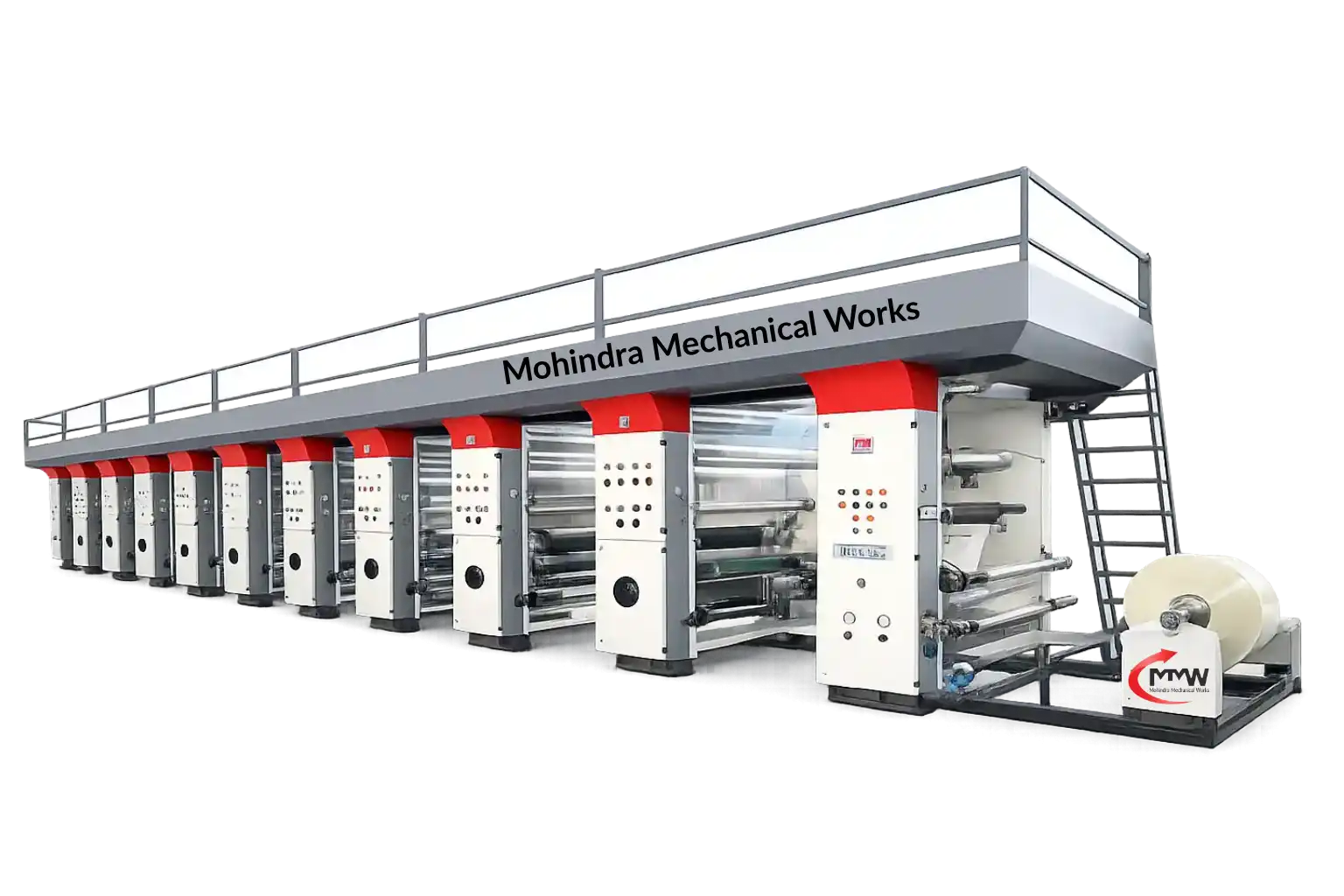
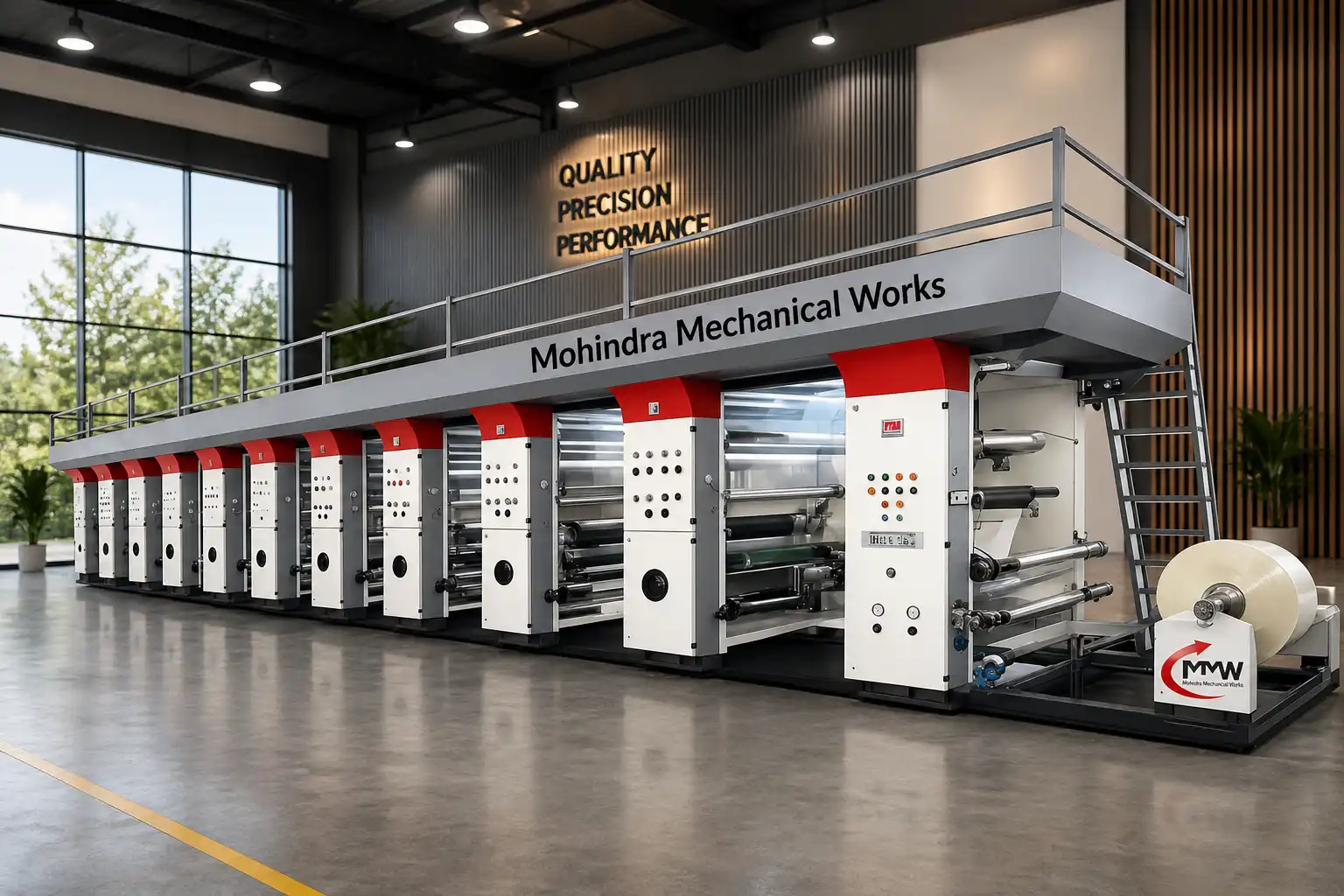
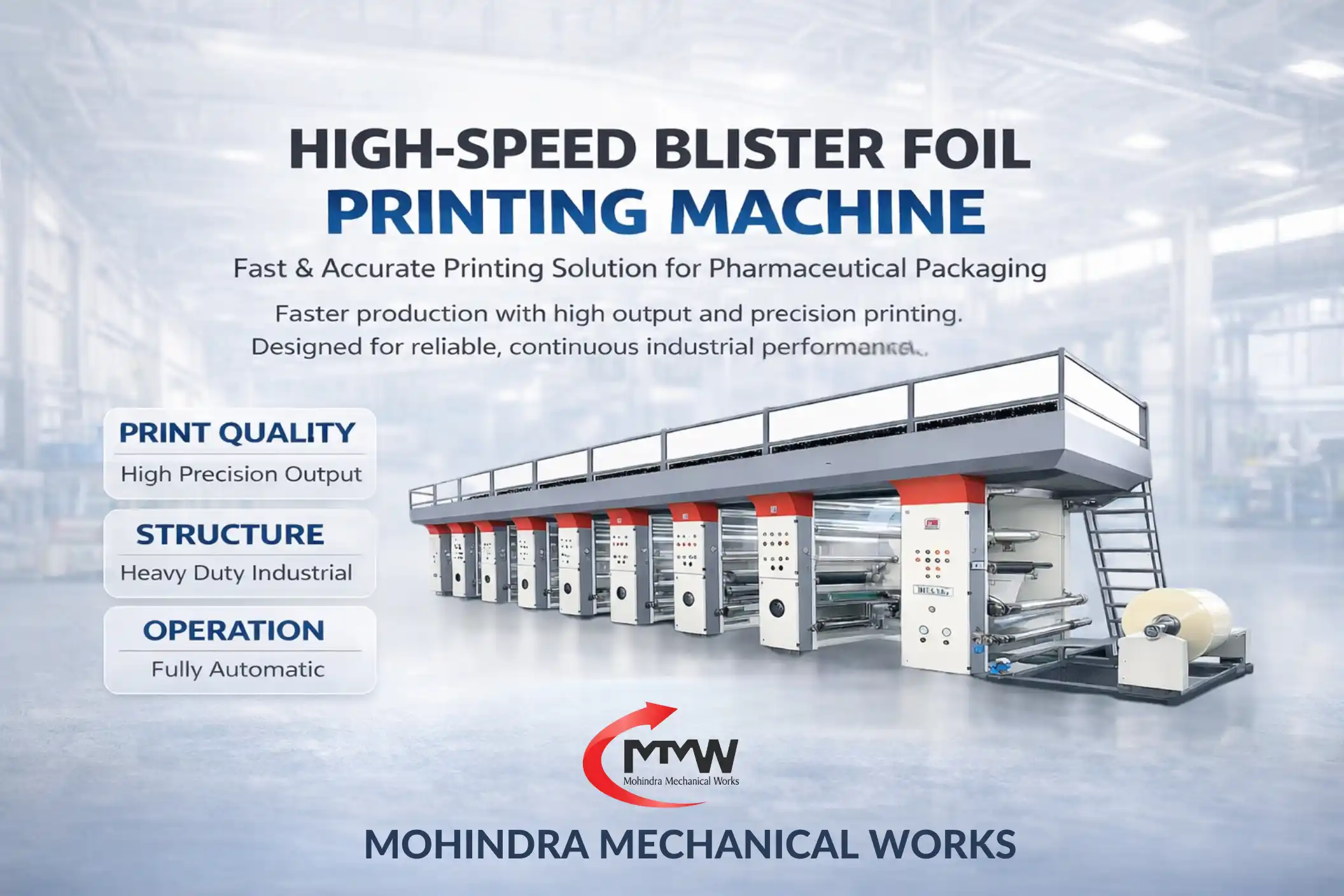
The High-Speed Blister Foil Printing Machine is designed for converters who have the need for fast processing of printed aluminum lidding foil while maintaining complete control over print quality. Stable foil movement, precise printing registration, and proper drying processes are critical in high-speed machines. The machine performs the functions of web handling, printing, registration, drying and rewinding in order to ensure that the production process flows smoothly. The machine is capable of reproducing medicine names, strengths, logos, symbols, and product identification on compatible blister foil. This high-speed machine is ideal for long-run printing where manufactures demand fast throughput and consistent printed rolls.
Request a Quote
Contact us today for machine specifications, pricing, and customized solutions.
Stable Printing Performance at Higher Running Speeds
The increasing speed of the machine increases the need for web control since even slight variations in foil tension or synchronization of the cylinders will affect print registration. The machine utilizes synchronized drive control to ensure that there is stability in the movement of materials in the print stations at varying speeds of production.
Registration control assists in ensuring the proper placement of repeated artwork, and controlled impression assists in ensuring constant contact between the printing cylinder and the foil surface. In multicolor printings, the individual print stations work in synchronicity in order to ensure that color registration is maintained.
Fast Drying Matched with Continuous Foil Movement
Higher printing speeds reduce the time available for freshly applied ink to dry before the material reaches the rewind section. The drying system is therefore an important part of high-speed blister foil production.
Controlled hot-air circulation and adjustable temperature settings provide the required drying conditions according to ink, foil and machine speed. The web passes through the drying zone in a stable path before entering the rewind section.
Proper coordination between printing speed and drying performance helps reduce unwanted ink transfer when successive foil layers are wound together. This allows printed material to be collected efficiently while maintaining a clean surface and consistent finished-roll quality.
Why Web Stability Matters in High-Speed Blister Foil Printing
Aluminium blister foil that is thin in nature may be very responsive to the changes in tension with respect to the acceleration or speed of the printing machine. The uncontrolled movement of the web could be one of the causes for tracking differences, wrinkles or changes in position of the artwork.
All these processes are controlled by the machine by means of unwinding, tension control, guiding and rewinding. While edge control ensures the travel of the web in the right direction, synchronised drive ensures the even movement of the machine parts. The unwind control acts in response to the increase in roll diameter during the printing process.
35+ Years of Manufacturing Experience
Precision Engineering & Quality Manufacturing
Customized Machine Configurations to Your Needs
Fast and Reliable After-Sales Support
Packaging Applications
- Continuous Lidding Foil Production: Designed for facilities where printed lidding material is regularly prepared for downstream blister packing lines.
- Multi-Colour Branded Blister Foil: Supports higher-output production of detailed branded artwork requiring accurate colour alignment.
- Contract Pharmaceutical Converting: Suitable for packaging converters handling scheduled bulk foil-printing requirements for pharmaceutical customers.
- Generic Medicine Production Runs: Useful where multiple high-volume medicine products require repeatable printed blister foil.
- Large-Batch Capsule Packaging: Supports continuous foil printing for compatible capsule blister packs produced in higher quantities.
- High-Volume Tablet Blister Foil: Suitable for converters producing longer rolls of printed lidding foil for large tablet packaging runs.
Key Features
- Synchronized Printing Stations: Coordinates individual colour units for stable multi-colour production at operating speed.
- Dynamic Edge Correction: Continuously manages lateral foil movement to maintain the required running path.
- Enhanced Drying Capacity: Provides controlled airflow and heat suitable for the shorter drying time available at higher web speeds.
- High-Speed Registration Stability: Maintains repeat and colour positioning as foil travels rapidly through the printing stations.
- Speed-Responsive Tension Control: Adjusts web conditions during acceleration, continuous running and machine deceleration.
- High-Speed Web Synchronization: Coordinates unwind, print and rewind sections to maintain stable foil movement at increased production speeds.
Frequently Asked Questions
No. The machine prints compatible blister foil. Pocket forming, medicine filling and sealing are carried out by suitable downstream blister packaging equipment.
The machine uses coordinated drive and tension controls to manage changes in web movement as operating speed increases or decreases.
Yes. Suitable multi-colour configurations can use synchronized printing stations and registration control to maintain alignment between colours.
The material spends less time in each section as web speed increases. The drying arrangement therefore needs sufficient airflow and thermal control to prepare printed foil before rewinding.
The printing system is designed to maintain controlled ink transfer and impression conditions, but final print quality also depends on the cylinder, ink, foil and selected operating speed.
The high-speed configuration places additional emphasis on synchronized drives, web stability, responsive tension control, registration and drying capacity during faster continuous production.
It is a roll-to-roll printing machine configured for higher-output printing of compatible aluminium lidding foil used in pharmaceutical blister packaging.