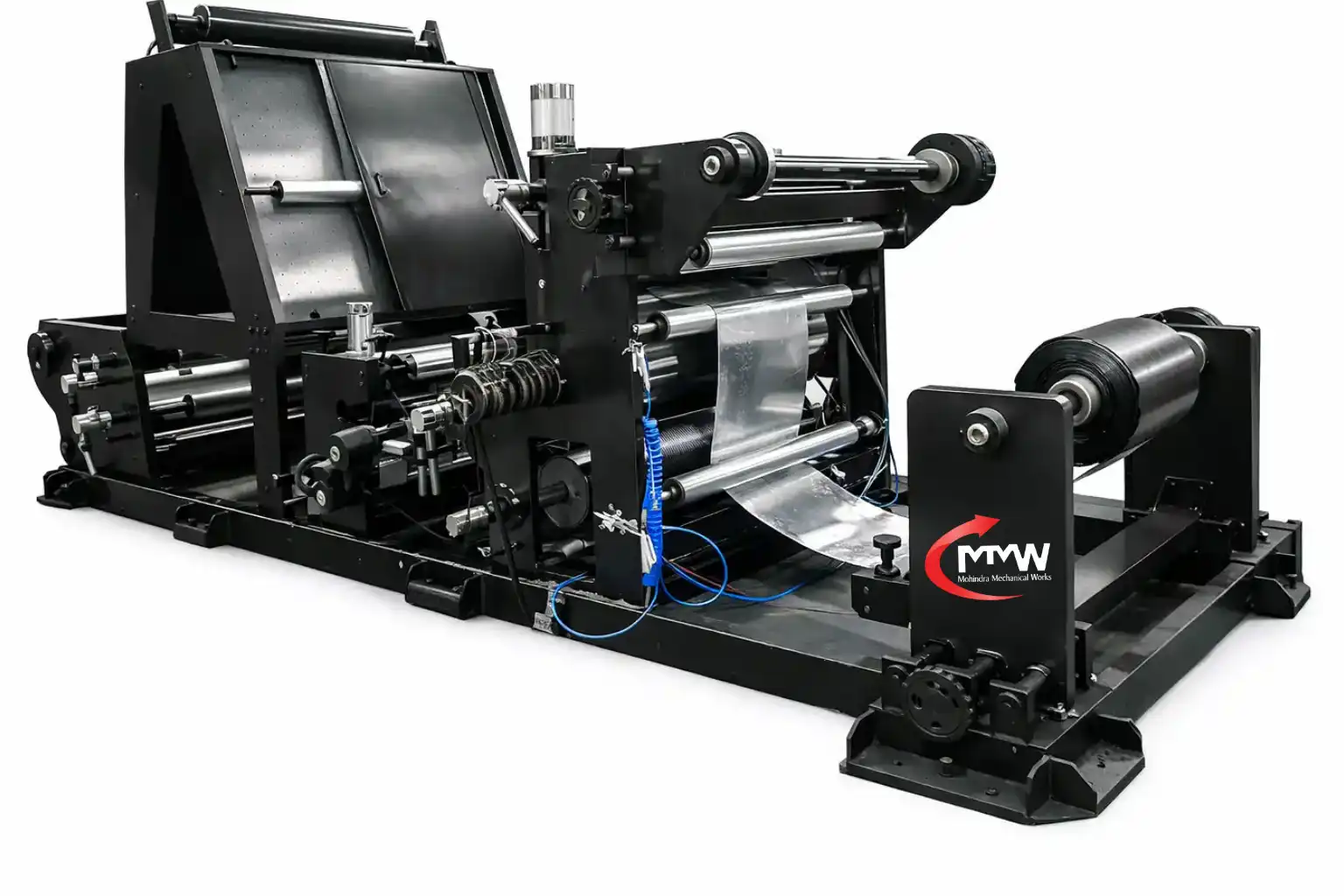
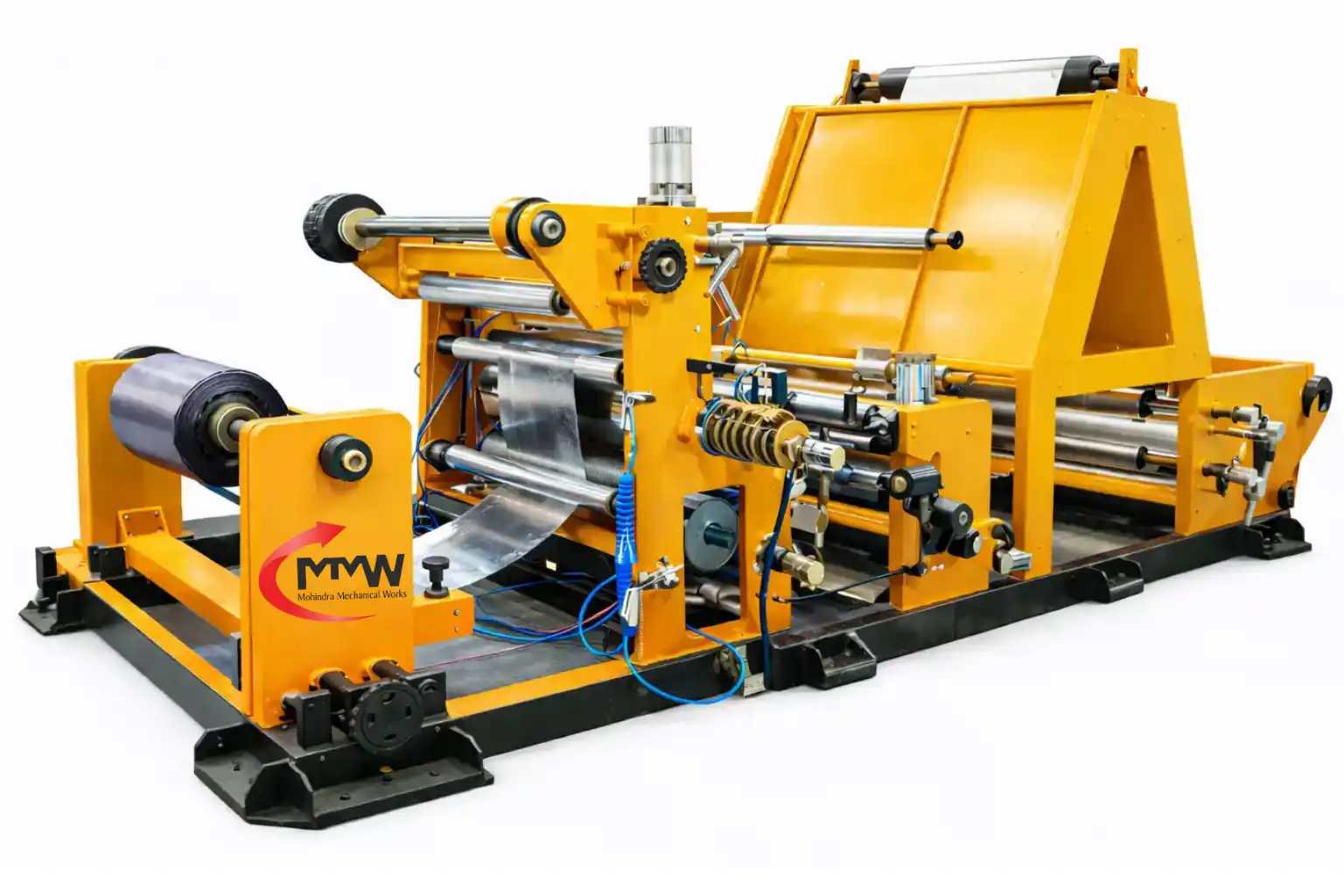
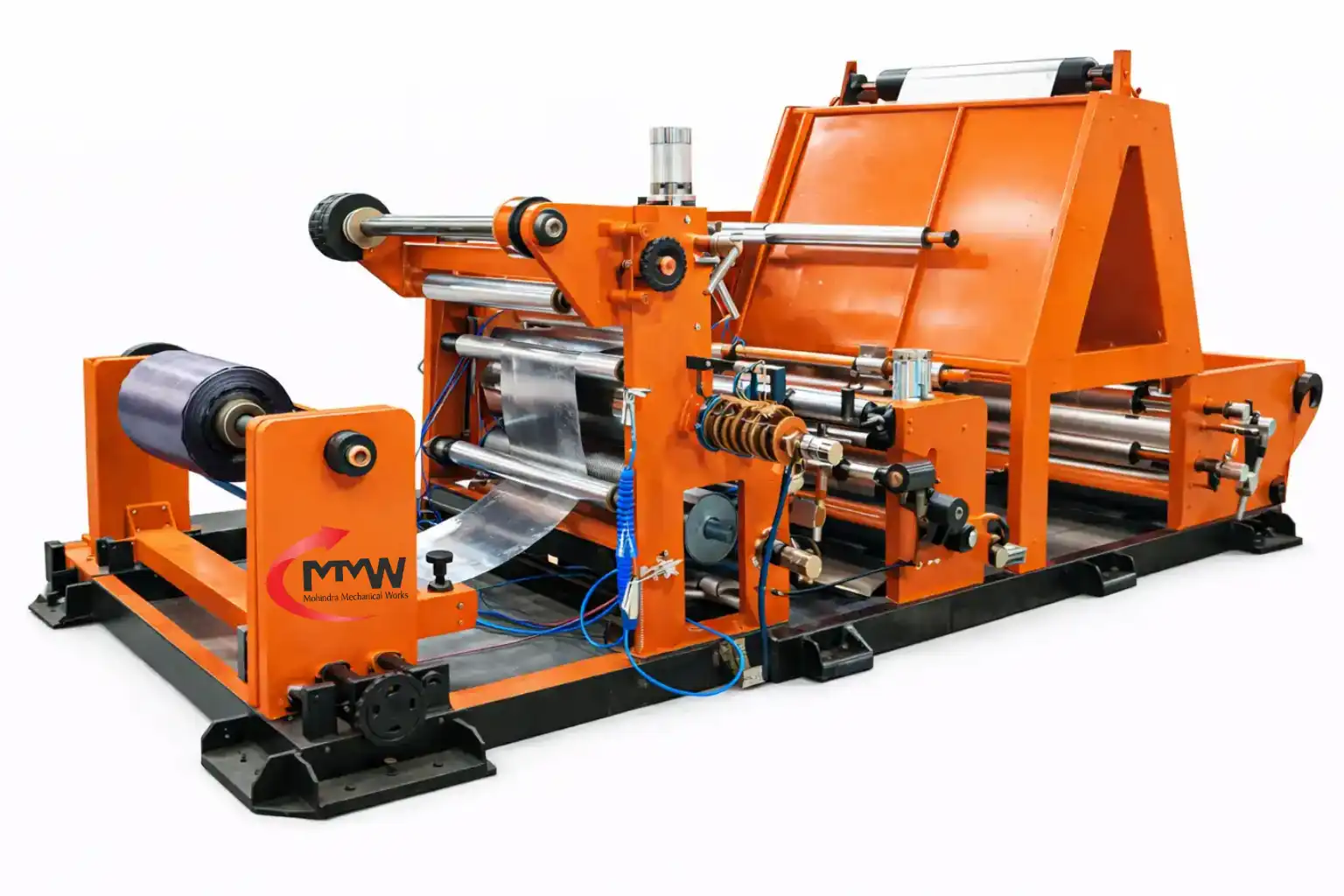
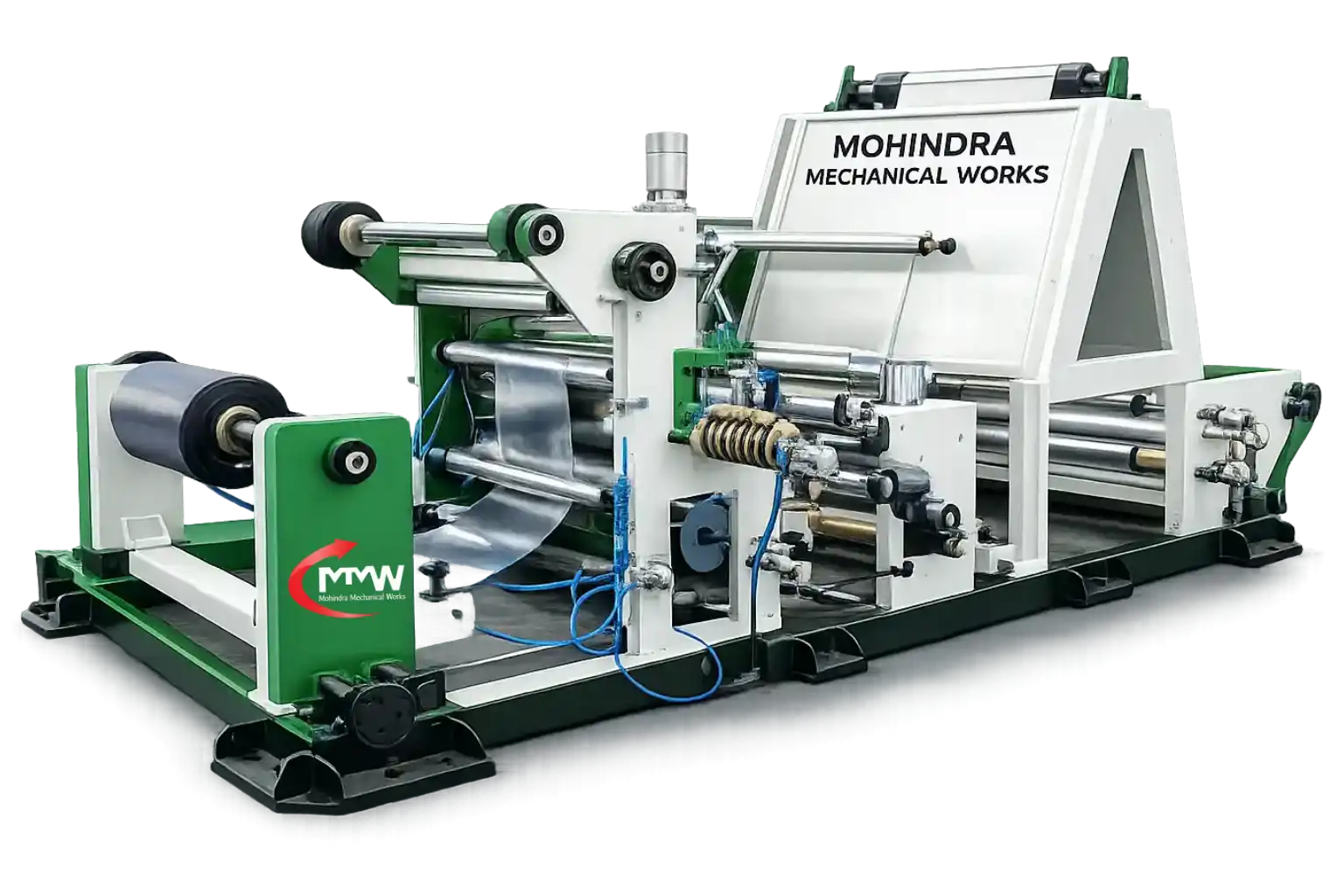
Heat Press Lamination Machine
Heat-Activated Lamination for Strong and Uniform Bonding
The Heat Press Laminator Machine that we offer works by combining heat and pressure to laminate compatible materials. This machine controls the heat and pressure levels within the working area, thus ensuring that reliable lamination is carried out.
This machine is ideal for use when heat activated films or coated substrates/thermally bondable layers are involved. The adjustable nature of the parameters ensures that the machine can handle various material constructions.
Request a Quote
Contact us today for machine specifications, pricing, and customized solutions.
Controlled Heat & Pressure for Consistent Lamination
Heat press laminating should be done with precision since excess heat can affect the sensitive materials, while lack of sufficient heat and pressure can cause weak and uneven bonding.
Heat press is used to transfer the thermal energy onto the bonding material, which later binds the materials together using controlled pressure. The temperature and pressure can be varied depending on the substrates, adhesive, and desired end product.
Heat press laminating will ensure consistent bonding, minimal air bubble entrapment, and even surfaces.
Designed for Different Material Combinations
Heat Press Lamination Machine can be designed for processing various compatible substrates, as per requirement of different applications. Some of these may include certain types of fabrics, film, foam, paper, non-wovens, or any other heat sealable substrate.
The heating mechanism of the machine helps in dispersing heat through the processing area, whereas the pressure helps in keeping the materials in contact during bonding.
Different designs of the machine can be designed based on different parameters.
Why Choose Heat Press Lamination?
The application of heat press lamination makes an excellent technique in cases where the adhesive or bonding layer needs to be exposed to certain temperatures in order to be activated.
As opposed to processes that rely solely on the coating of adhesive using wet adhesives, heat-activated lamination makes possible a neat bonding process when the right materials are used.
Careful control of temperature, pressure, and duration of process enables manufactures to achieve consistent results.
Technical Specifications
|
Category |
Specification |
|---|---|
|
Machine Type |
Heat Press Lamination Machine |
|
Maximum Speed |
Up to 80 – 120 M/Min |
|
Maximum Web Width |
600 / 800 / 1000 / 1200 mm |
|
Heating System |
Electric Heating Plates |
|
Temperature Control |
Digital Temperature Controller |
|
Pressure System |
Pneumatic / Hydraulic Press System |
|
Unwind System |
Shaft Type Unwind |
|
Rewind System |
Center / Surface Rewind |
|
Maximum Roll Diameter |
Up to 600 – 800 mm |
|
Core Diameter |
76 mm |
|
Tension Control |
Manual / Automatic Tension Control |
|
Compatible Materials |
Paper, Plastic Films, Aluminum Foil, Laminated Sheets |
|
Power Supply |
415V, 3 Phase, 50 Hz |
|
Machine Structure |
Heavy-Duty Fabricated Frame |
|
Operation |
PLC / Manual Control Panel |
Packaging Applications
- Specialty Composite Materials: Supports customized multilayer structures requiring controlled heat-and-pressure bonding.
- Automotive Interior Materials: Suitable for compatible textile, foam and composite structures used in selected automotive interior applications.
- Footwear Materials: Can be configured for selected multilayer materials subsequently used in footwear manufacturing.
- Film Lamination: Processes selected heat-compatible films and substrates where thermal activation is required for bonding.
- Non-Woven Materials: Suitable for compatible non-woven structures used in various textile and industrial products.
- Fabric & Foam Composites: For selected applications where fabric and foam layers require controlled thermal bonding.
- Textile Lamination: Suitable for bonding compatible fabric layers using heat-activated adhesive or thermally bondable materials.
Key Features
- Consistent Bonding: Controlled process parameters support uniform adhesion across the working area.
- Multiple Material Compatibility: Can be configured for compatible fabrics, foam, films, paper and non-woven substrates.
- Stable Material Handling: Helps maintain correct substrate positioning throughout the lamination process.
- Controlled Processing Time: Enables bonding conditions to be adjusted according to the material combination.
- Adjustable Temperature: Allows operating temperature to be set according to substrate and adhesive requirements.
- Uniform Pressure Application: Provides consistent contact between material layers during the lamination process.
- Controlled Heating System: Maintains the required processing temperature for heat-activated bonding.
Explore Related Lamination Solutions
We offer a complete range of equipment to handle all your factory requirements. If you have specialized material needs, take a look at our Foil & Poly Lamination Machine for exact film bonding. You can also explore our Poly & Paper Lamination Machine for high-speed paper coating applications.
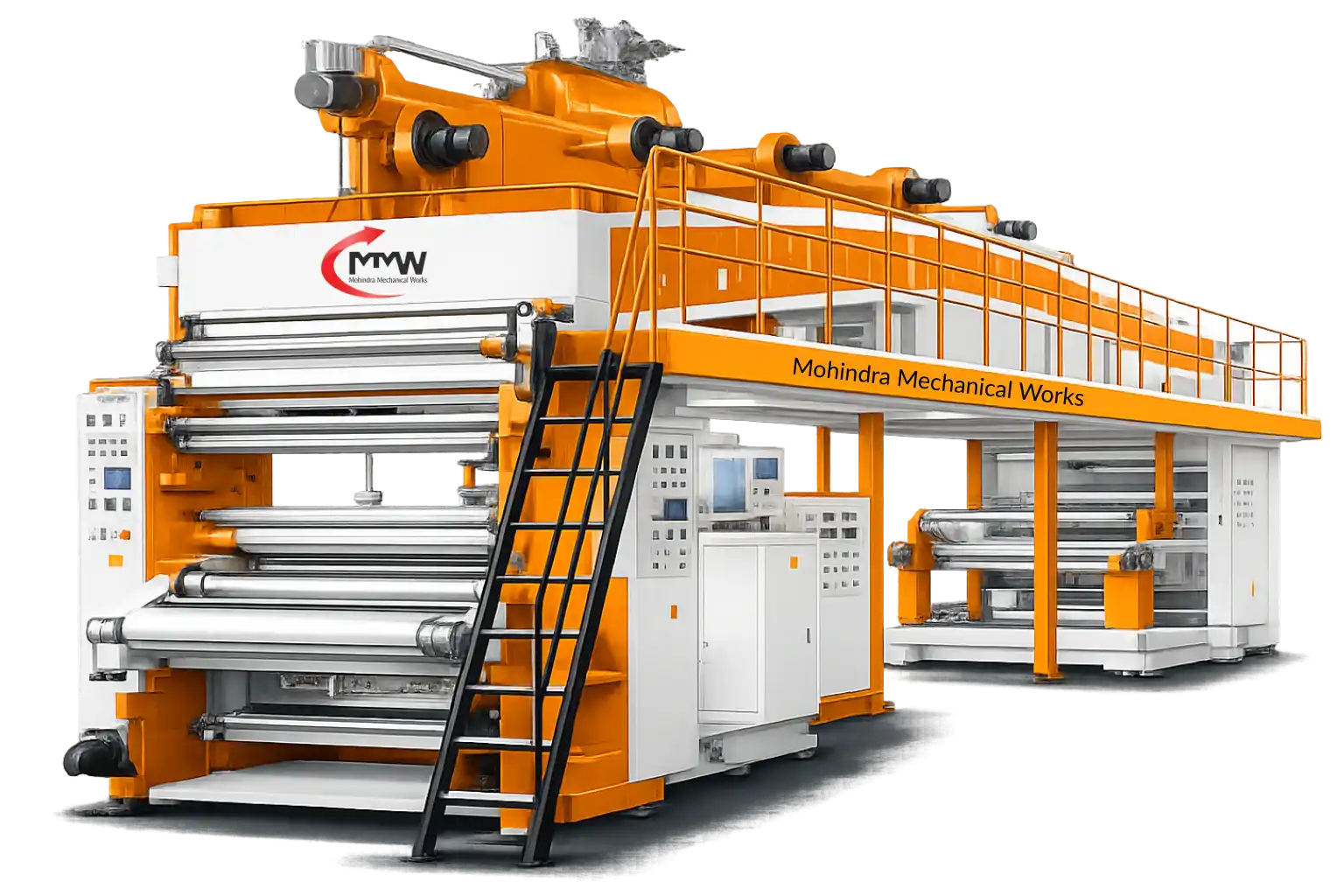
Foil & Poly Lamination Machine
Designed for laminating foil with polyethylene film for flexible packaging applications. It delivers uniform coating, strong adhesion, and smooth, wrinkle-free lamination with consistent roll-to-roll performance.
-
Working Width
600–1600 mm -
Production Speed
Up to 120 m/min
Poly & Paper Lamination Machine
A high-performance lamination solution for bonding polyethylene film with paper. Controlled coating, tension, and drying ensure uniform lamination, excellent adhesion, and a smooth finish for various packaging applications.
-
Working Width
600–1600 mm -
Production Speed
Up to 120 m/min
Foil & Poly Lamination Machine
Designed for laminating foil with polyethylene film for flexible packaging applications. It delivers uniform coating, strong adhesion, and smooth, wrinkle-free lamination with consistent roll-to-roll performance.
Poly & Paper Lamination Machine
A high-performance lamination solution for bonding polyethylene film with paper. Controlled coating, tension, and drying ensure uniform lamination, excellent adhesion, and a smooth finish for various packaging applications.