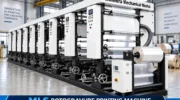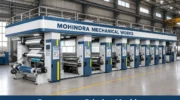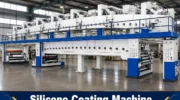
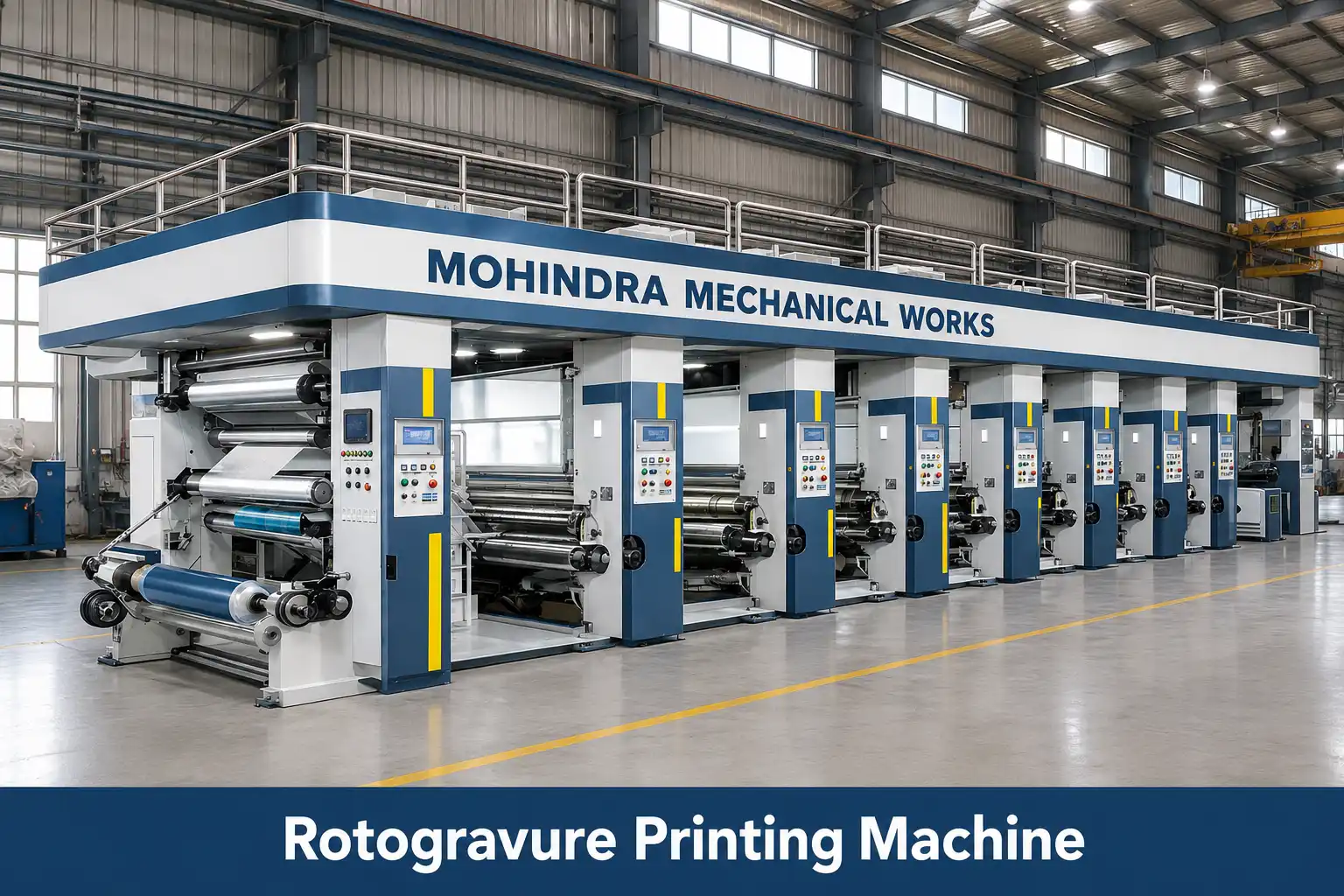
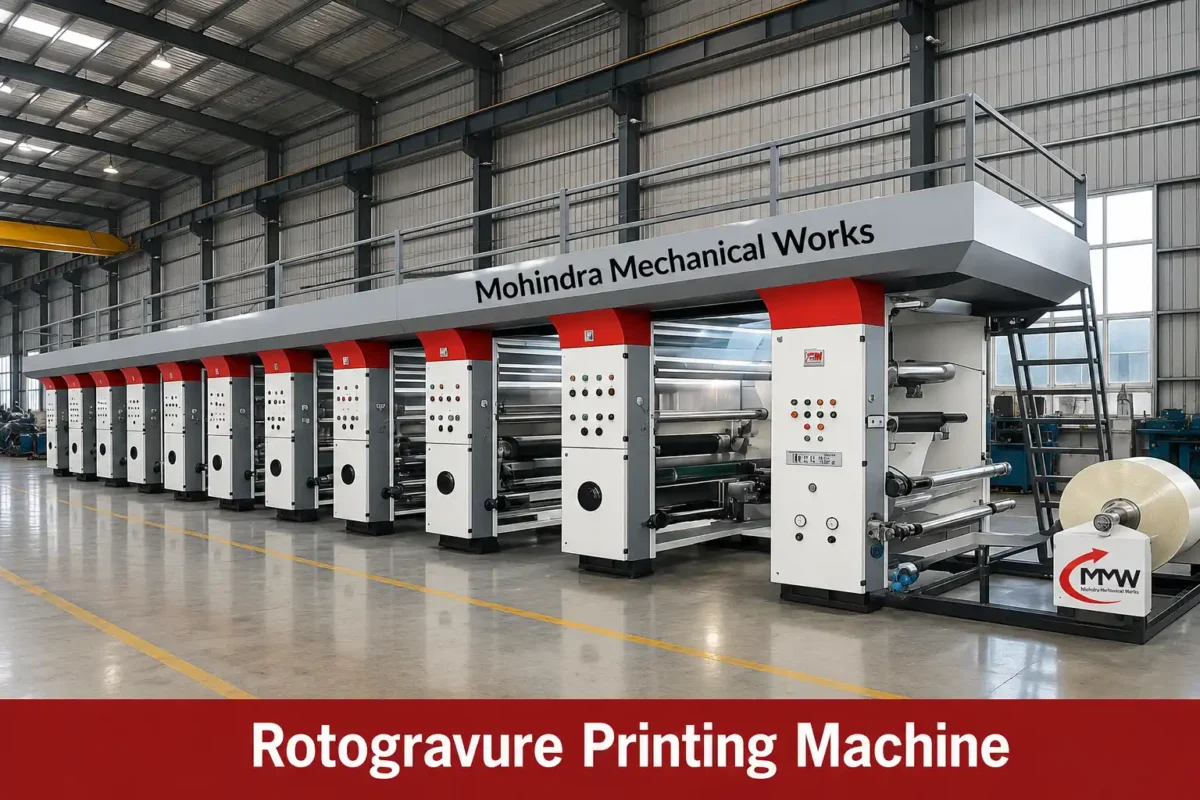
A rotogravure printing machine is a high-speed press that transfers ink from engraved cylinders onto flexible materials, such as film, foil, and paper. High-performance models deliver sharp image quality, fast run speeds, and consistent results—making them ideal for packaging, publications, and speciality industrial printing at large volumes.
For manufacturers who print millions of meters of material a year, precision and speed aren’t optional—they’re the difference between profit and waste. That’s exactly where a high-performance rotogravure printing machine earns its place on the factory floor.
This guide breaks down what these machines do, why they remain a top choice for industrial printing, and what features matter most when you invest in one. Whether you’re upgrading an aging press or planning a new production line, you’ll come away with a clear understanding of how rotogravure technology can boost output and lower your cost per print.
What is a rotogravure printing machine?
A rotogravure printing machine is an intaglio press that prints images using engraved metal cylinders. Tiny recessed cells on each cylinder hold ink, and as the cylinder rotates, that ink transfers directly onto the substrate—the material being printed.
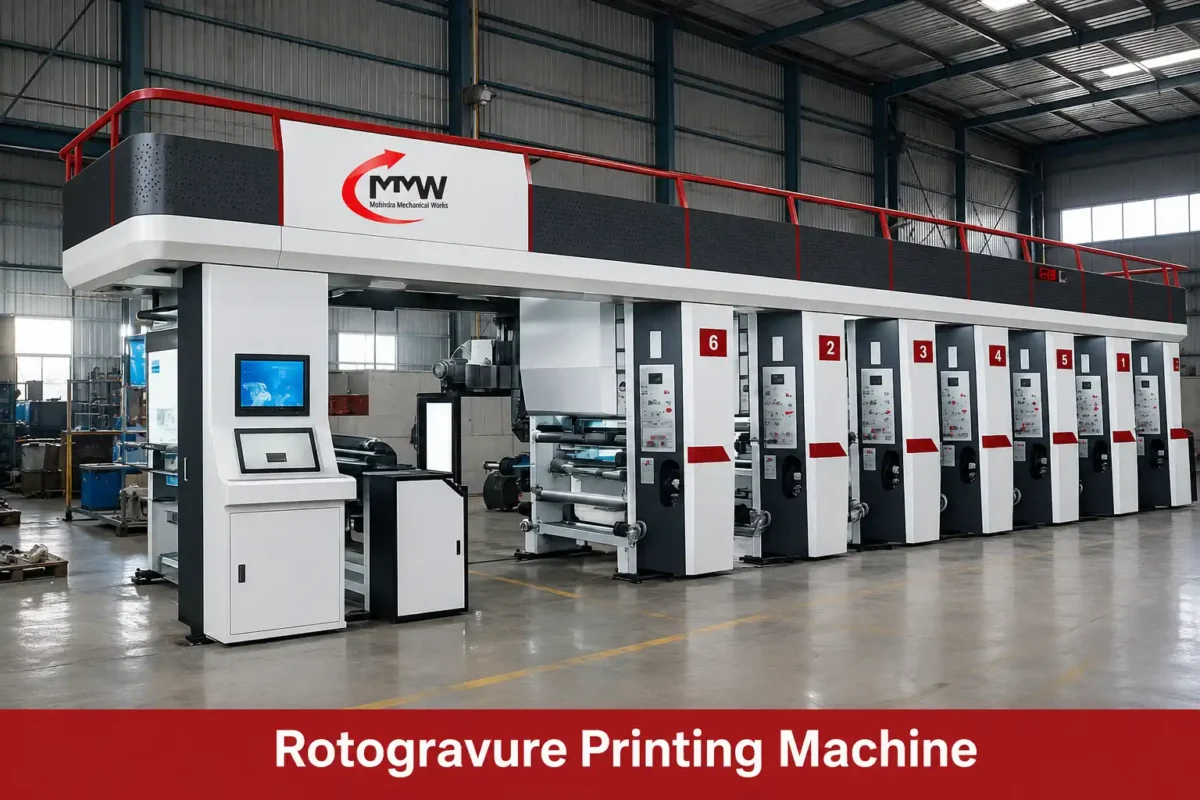
Unlike flexographic or offset printing, rotogravure works by pulling ink from below the cylinder’s surface rather than from a raised plate. This method produces rich, consistent color and fine detail, even across enormous print runs. The deeper the engraved cell, the more ink it deposits, giving operators precise control over tone and density.
The process suits continuous, high-volume jobs. Once the cylinders are engraved and mounted, the machine can run for hours with minimal variation between the first print and the millionth.
How does a rotogravure printing machine work?
The rotogravure process follows a repeatable cycle across every printing unit:
- Ink pickup: The engraved cylinder rotates through an ink bath, filling its recessed cells.
- Doctor blade wiping: A precision doctor blade scrapes excess ink off the cylinder’s smooth surface, leaving ink only inside the engraved cells.
- Ink transfer: The substrate passes between the cylinder and an impression roller. Pressure and capillary action pull the ink onto the material.
- Drying: Hot air dryers cure each color before the substrate reaches the next unit.
Most industrial machines stack multiple printing units in sequence—often six to ten—so each unit lays down a separate color. By the time the material exits, a full multicolor image is complete and dry.
Why choose rotogravure for industrial printing?
Rotogravure remains a favorite in high-volume manufacturing for a few solid reasons.
Consistent quality across long runs
Engraved cylinders are extremely durable. They can produce millions of impressions without noticeable wear, so print quality stays uniform from start to finish. For brands that need every package to look identical, this consistency is a major advantage.
High-speed production
High-performance rotogravure presses can run at speeds exceeding 300–400 meters per minute, depending on the substrate and configuration. That throughput makes short work of large orders and keeps cost per unit low.
Versatility across substrates
Rotogravure prints cleanly on a wide range of flexible materials, including:
- Plastic films (BOPP, PET, PE)
- Aluminum foil
- Paper and paperboard
- Laminated and metallized substrates
This flexibility is why the technology dominates flexible packaging, from snack wrappers to pharmaceutical pouches.
Rich, precise colour
Because ink sits in engraved cells of varying depth, rotogravure reproduces smooth gradients and deep, saturated tones that other methods struggle to match. This makes it a strong choice for premium packaging and decorative printing.
What features define a high-performance rotogravure printing machine?
Not every press delivers the same results. When evaluating a high-performance rotogravure printing machine, focus on the features that directly affect speed, accuracy, and running cost.
Precise registration control
Registration is the alignment of each color layer. Advanced machines use servo-driven registration systems and automatic sensors to keep colors aligned within microns—even at top speed. Tight registration means less waste and sharper images.
Efficient drying systems
Fast, uniform drying lets the press run at higher speeds without smudging or colour bleed. Look for machines with well-designed hot-air drying tunnels and heat recovery options that cut energy use.
Automation and easy setup
Automated cylinder changes, pre-register systems, and digital controls shorten changeover time between jobs. For shops running many short-to-medium orders, this automation can dramatically improve overall equipment efficiency.
Solvent recovery and safety
Many rotogravure inks are solvent-based. High-performance machines often integrate solvent recovery systems and enclosed ink units to reduce emissions, improve workplace safety, and recover reusable solvent.
Tension control
Consistent web tension keeps the substrate stable as it moves through each unit. Poor tension causes wrinkles, misregistration, and jams. Servo-controlled tension systems maintain stability across the full speed range.
Which industries rely on rotogravure printing machines?
Rotogravure technology serves several major sectors:
- Flexible packaging: Food wrappers, pouches, and confectionery films
- Publications: Magazines, catalogs, and high-circulation print
- Decorative printing: Wallpaper, laminate flooring, and furniture surfaces
- Specialty products: Labels, gift wrap, and security printing
The common thread is volume. Wherever a business needs large quantities of consistently printed material, rotogravure tends to be the go-to method.
How to choose the right rotogravure printing machine
Selecting a press comes down to matching the machine to your production needs.
Choose a wider-web, high-speed press if you print long runs of a small number of designs—this maximizes throughput and lowers cost per meter.
Choose a machine with fast automation and quick cylinder changes if you handle many short-to-medium jobs, where changeover time eats into productivity more than raw speed.
Prioritize solvent recovery and energy-efficient drying if your operation faces strict emissions regulations or high energy costs. These features pay for themselves over time.
Also consider after-sales support, spare-part availability, and operator training. A machine is only as reliable as the service network behind it.
Getting the most from your rotogravure investment
A high-performance rotogravure printing machine is a serious capital investment—but for high-volume industrial printing, it delivers unmatched consistency, speed, and color quality. The key is matching machine specifications to your real production patterns rather than chasing headline speed numbers alone.
Before you buy, map out your typical run lengths, substrate mix, and volume forecasts. Request print samples on your own materials, and ask vendors to demonstrate registration accuracy and changeover times under realistic conditions. With the right machine in place, you can raise output, cut waste, and keep every print looking exactly as it should.
Frequently asked questions
What is the main advantage of rotogravure over flexographic printing?
Rotogravure delivers superior image quality and color consistency across very long print runs, thanks to durable engraved cylinders. Flexography can be more cost-effective for shorter runs, but rotogravure wins on detail, tone reproduction, and long-run stability.
How fast can a high-performance rotogravure printing machine run?
Modern high-performance presses commonly run at 300–400 meters per minute or more, depending on the substrate, ink, and machine configuration. Faster drying and tension control systems allow higher speeds without sacrificing quality.
What materials can a rotogravure printing machine print on?
Rotogravure machines print on a wide range of flexible substrates, including plastic films (BOPP, PET, PE), aluminum foil, paper, paperboard, and laminated or metallized materials.
Is rotogravure printing cost-effective for small runs?
Rotogravure is most cost-effective for high-volume runs because of the upfront cost of engraving cylinders. For small runs, flexographic or digital printing often makes more financial sense.
What maintenance does a rotogravure printing machine require?
Regular maintenance includes doctor blade inspection, cylinder care, ink system cleaning, drying system checks, and calibration of registration and tension controls. Consistent upkeep protects print quality and extends machine life.