Looking for a Silicone Coating Machine? Here’s What You Need to Know
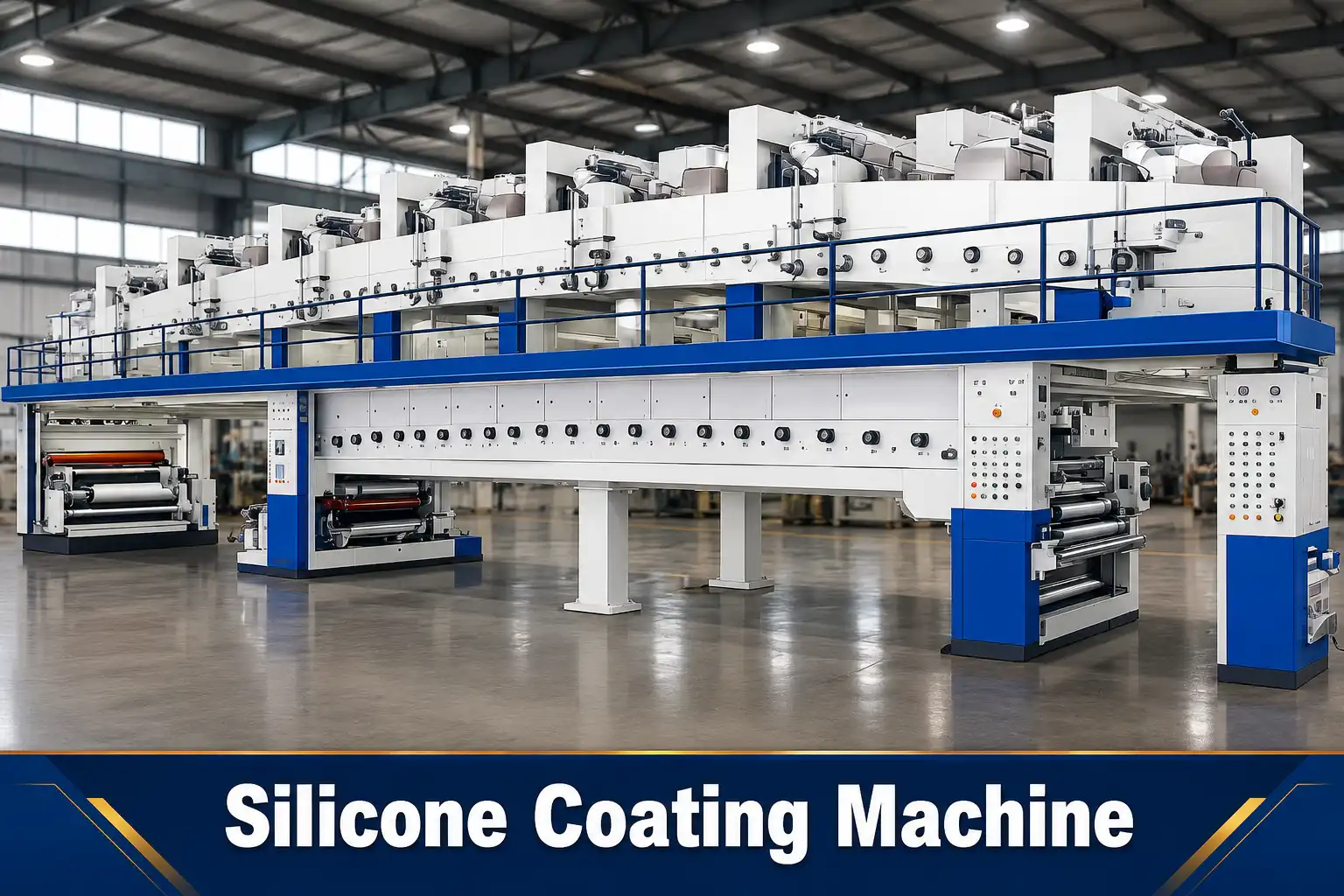
If you manufacture release paper, adhesive labels, tapes, protective films, packaging materials, or other coated products, the quality of the coating directly affects the performance of your finished material. A good coating line is not simply about applying silicone to paper or film. It must control coating thickness, web tension, drying, speed, and winding throughout the production process.
A Silicone Coating Machine is designed to apply a thin, controlled, and uniform layer of silicone or other suitable release coating onto a substrate. Once the coating is properly applied and cured, the surface develops release properties that prevent adhesives and other sticky materials from permanently bonding to it.
At Mohindra Engineering Company, we manufacture coating machines for different materials, coating processes, web widths, speeds, and production requirements. Our range includes machines for single-side and double-side silicone coating as well as specialized coating applications.
This guide explains how the machine works, what materials can be processed, the available models, and the important specifications buyers should consider before selecting a coating line.
What Is a Silicone Coating Machine?
A Silicone Coating Machine is industrial roll-to-roll equipment used to apply a controlled silicone layer onto paper, film, or another compatible flexible substrate.
The basic process begins at the unwinding section, where the parent roll is loaded. The web then travels through tension-control and guiding systems before entering the coating section. Here, a controlled quantity of coating material is transferred onto the surface.
After coating, the material passes through a drying or curing section. Once the coating reaches the required condition, the finished web is rewound into a roll for further converting or manufacturing.
The complete process can generally be understood as:
Unwinding → Web Guiding → Tension Control → Coating → Drying/Curing → Cooling → Rewinding
Every stage matters. Poor tension can create wrinkles, uneven coating can affect release performance, insufficient drying can cause blocking, and improper rewinding can damage an otherwise correctly coated roll.
Why Is Silicone Applied to Paper and Film?
Silicone coating is primarily used to create a low-adhesion or release surface. This means an adhesive material can remain in contact with the coated surface but can later be separated without excessive force or damage.
One of the most familiar examples is self-adhesive label stock. The label remains attached to its backing liner during storage and transportation but can be peeled away when required. Silicone-coated release liners are also widely used with tapes, stickers, hygiene products, industrial adhesives, protective materials, and various converting applications.
Depending on the final product, silicone coating may be applied to kraft paper, glassine paper, release paper, suitable films, and other flexible substrates.
The actual coating chemistry, coating weight, curing conditions, and substrate compatibility should always be selected according to the final application and the coating supplier’s recommendations.
Understanding the Silicone Coating Process
Consistent coating requires much more than simply putting liquid silicone onto a moving web.
First, the substrate must unwind smoothly and enter the machine at controlled tension. The web-guiding arrangement helps maintain alignment as the material moves through the production line.
The coating section then meters and transfers the required coating onto the substrate. Depending on the machine configuration and process requirement, different roller arrangements and coating systems can be used to achieve the required coat weight and surface uniformity.
The coated material subsequently enters the drying or curing section. Temperature, airflow, residence time, line speed, and coating chemistry influence this stage. The material may then be cooled before being rewound under controlled tension.
A properly configured Silicone Coating Machine helps maintain these conditions throughout production, resulting in better coating uniformity and more consistent finished rolls.
Materials That Can Be Processed
Material selection depends on the specific machine configuration and coating formulation. Common substrates used in coating and release applications can include:
- Glassine and release paper
- Kraft paper
- PE-coated paper
- Suitable plastic films
- Label stock
- Packaging paper
- Industrial paper
- Specialty coated substrates
- Adhesive-related backing materials
Paper thickness, GSM, film thickness, surface treatment, moisture level, coating chemistry, and desired coat weight can all influence machine configuration.
For this reason, buyers should ideally share actual substrate samples and coating details before finalizing a production line.
Our Silicone Coating Machine Models
Mohindra Engineering Company manufactures different coating configurations because every production application does not require the same machine.
Silicone Release Paper Coating Machine
The Silicone Release Paper Coating Machine is designed for producing release-coated paper used in labels, tapes, stickers, adhesive products, and other converting applications.
The machine is configured to provide controlled coating, stable web movement, effective drying or curing, and consistent rewinding.
Double Side Silicone Coating Machine
Some products require release properties on both surfaces. Our Double Side Silicone Coating Machine is designed for applications where silicone coating is required on both sides of the substrate.
The machine configuration is selected according to the substrate, coating formulation, required coating weight, drying requirement, and desired production speed.
VMCH Coating Machine
The VMCH Coating Machine is intended for specialized coating applications where VMCH-based formulations or compatible coatings are required.
Because coating formulations can behave differently depending on solvent system, viscosity, substrate, temperature, and drying conditions, the machine should be configured according to the actual process instead of relying on a generic setup.
HSL Coating Machine
Our HSL Coating Machine is designed for heat-sealable lacquer and related coating applications. It is useful where the finished substrate requires a controlled heat-sealable surface for subsequent packaging or converting operations.
Uniform coating and appropriate drying are particularly important because both can influence the sealing characteristics of the finished material.
DDP Paper Coating Machine
The DDP Paper Coating Machine is designed for Diamond Dotted Paper and specialized paper coating applications. Such applications require controlled coating placement and reliable material handling to achieve consistent finished-paper quality.
Machine configuration can be selected according to paper width, coating requirement, production speed, drying system, and final application.
3 Roller & 5 Roller Paper Silicone Coating Machine
The 3 Roller & 5 Roller Paper Silicone Coating Machine uses a multi-roller coating arrangement for controlled application and metering.
Roller configuration can influence coating transfer, coat-weight control, and surface uniformity. The appropriate arrangement depends on substrate characteristics, coating viscosity, required finish, and production requirements.
Technical Specifications
The following specifications represent typical configurable parameters. Final specifications should be confirmed according to the customer’s material and production requirements.
| Technical Parameter | Typical / Customizable Specification |
|---|---|
| Machine Type | Roll-to-Roll Coating Machine |
| Coating Application | Silicone / Release / Specialized Coatings |
| Suitable Substrates | Paper, Release Paper, Kraft Paper & Compatible Films |
| Working Web Width | Approx. 600–1600 mm or Customized |
| Coating System | Roller / Multi-Roller / Application Specific |
| Roller Configuration | 3 Roller / 5 Roller / Customized |
| Coating Side | Single Side / Double Side |
| Unwinding | Standard / Automatic as Required |
| Web Guiding | Available as Per Configuration |
| Tension Control | Controlled / Automatic as Required |
| Drying System | Hot Air / Application-Specific Drying |
| Heating Source | Electrical / Thermic / Other Options |
| Rewinding | Controlled Rewinding System |
| Machine Speed | Application & Configuration Dependent |
| Control System | PLC/HMI Options Available |
| Drive System | Application Specific |
| Web Material | Paper and Compatible Flexible Substrates |
| Power Requirement | According to Machine Configuration |
| Machine Configuration | Customizable |
Important: Production speed, drying temperature, coating weight, power consumption, roller specification, and other parameters depend on substrate, coating formulation, web width, coat weight, and process requirements. Final technical specifications should therefore be confirmed before ordering.
What Should You Check Before Buying?
Choosing a Silicone Coating Machine based only on maximum speed or price can lead to problems later. A suitable machine must match your actual production process.
Before selecting a machine, determine your substrate type, minimum and maximum GSM or thickness, required working width, coating formulation, coating weight, single- or double-side requirement, desired production speed, heating method, roll diameter, and finished product.
You should also consider how frequently jobs will change. A manufacturer handling multiple materials may need greater flexibility than a plant producing one standard release-paper product continuously.
Providing these details at the enquiry stage makes it easier to design the correct coating, drying, tension-control, and rewinding arrangement.
Why Choose Mohindra Engineering Company?
Mohindra Engineering Company manufactures printing, coating, lamination, slitting, rewinding, and converting machinery for industrial applications.
Instead of recommending the same configuration for every buyer, we focus on understanding the customer’s substrate, coating material, finished product, working width, production speed, and process requirements.
This application-based approach is especially important in coating machinery because even two manufacturers producing similar-looking products may use different substrates, formulations, coating weights, or drying conditions.
Our Silicone Coating Machine range can therefore be configured around the actual manufacturing requirement, from release-paper coating to double-side coating and specialized industrial applications.
Applications and Finished Products
Depending on the selected coating line and formulation, coated materials can be used for self-adhesive labels, release liners, stickers, adhesive tapes, industrial adhesive products, protective materials, packaging applications, specialty papers, and other converting processes.
The purpose of a well-designed coating line is not only to coat material quickly. It is to produce a roll with consistent coating, reliable release characteristics, proper drying, stable winding, and repeatable quality from batch to batch.
Frequently Asked Questions
Can silicone coating be applied on both sides of paper?
Yes. A suitable double-side coating configuration can be used when the application requires silicone or release coating on both surfaces.
Which paper is suitable for silicone release coating?
Release paper, glassine, kraft, PE-coated paper, and other suitable substrates may be processed depending on the formulation and machine configuration. Testing the actual substrate is recommended.
What determines the production speed?
Production speed depends on coating chemistry, drying or curing requirement, substrate, coat weight, web width, machine configuration, and finished-product quality requirements.
Can the machine be customized?
Yes. Working width, coating arrangement, drying system, roller configuration, unwinding, rewinding, tension control, automation, and other features can be configured according to production requirements.
Get the Right Coating Solution for Your Production
Selecting the correct Silicone Coating Machine starts with understanding the finished product you want to manufacture. Substrate, coating chemistry, coat weight, drying requirement, working width, and target output should all be considered before finalizing the equipment.
Mohindra Engineering Company can help evaluate these requirements and suggest an appropriate coating-machine configuration for your production line.
For the best recommendation, share your material type, GSM or thickness, web width, coating material, required coating side, roll diameter, expected production speed, and finished product when sending your enquiry.
Also, read this page: Tape Coating Machine Manufacturer and Supplier in India
About info@mohindraengineeringcompany.com
View all posts by info@mohindraengineeringcompany.comSearch
Recent Posts
Categories
- Coating Machine (7)
- Flexo (2)
- Lamination Machine (2)
- Rotogravure (6)