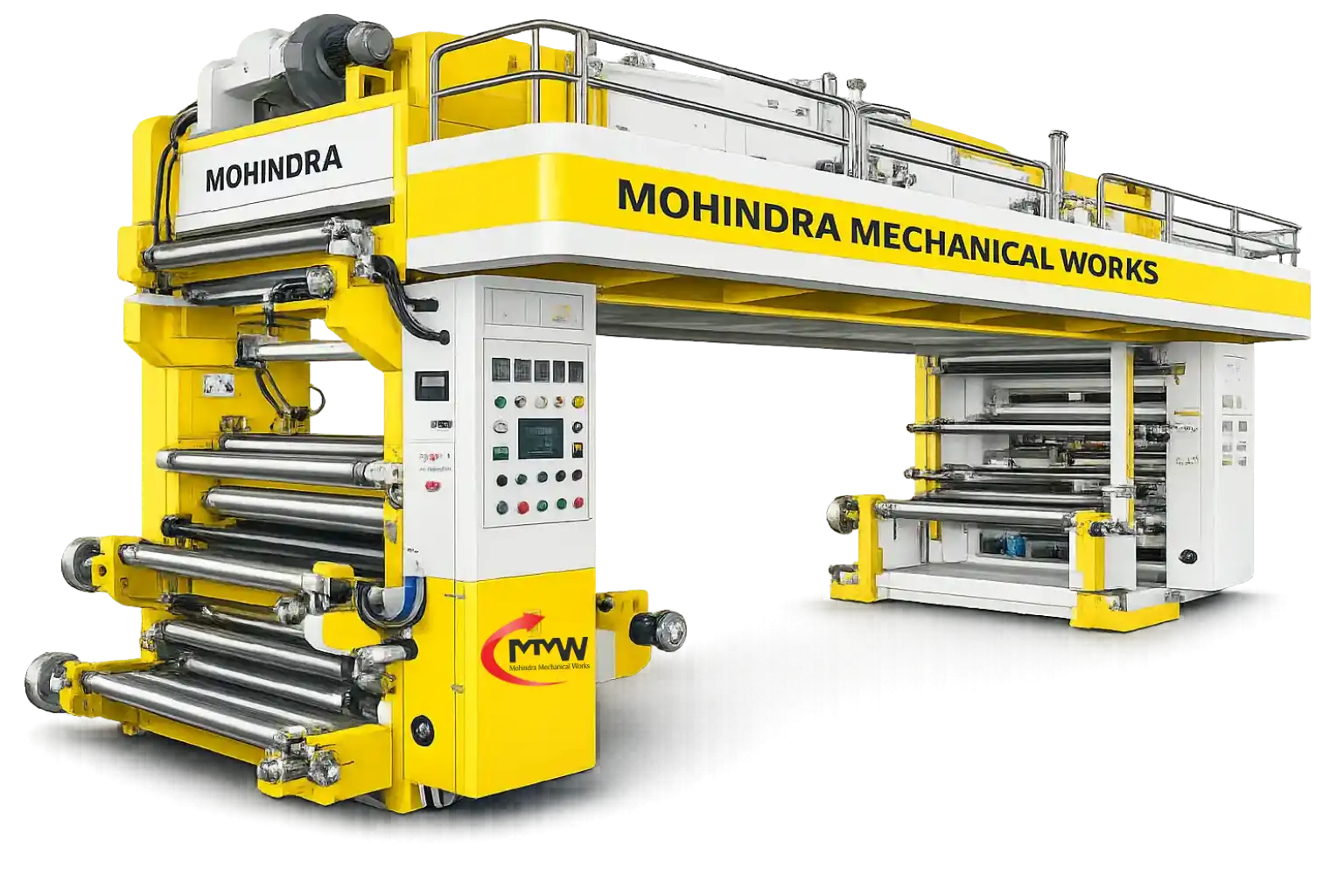
Dry Lamination Machine

High-Performance Lamination for Flexible Packaging Materials

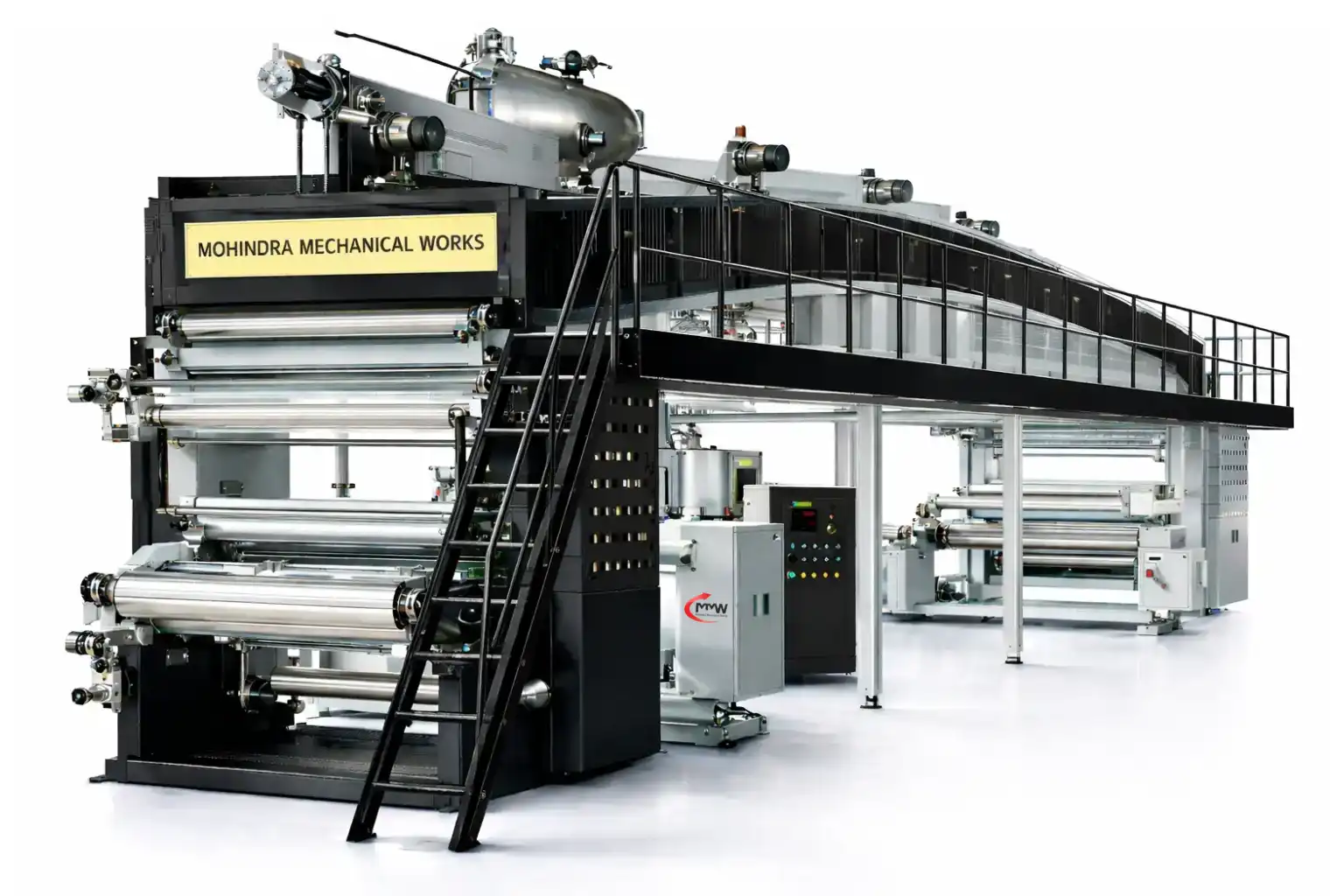
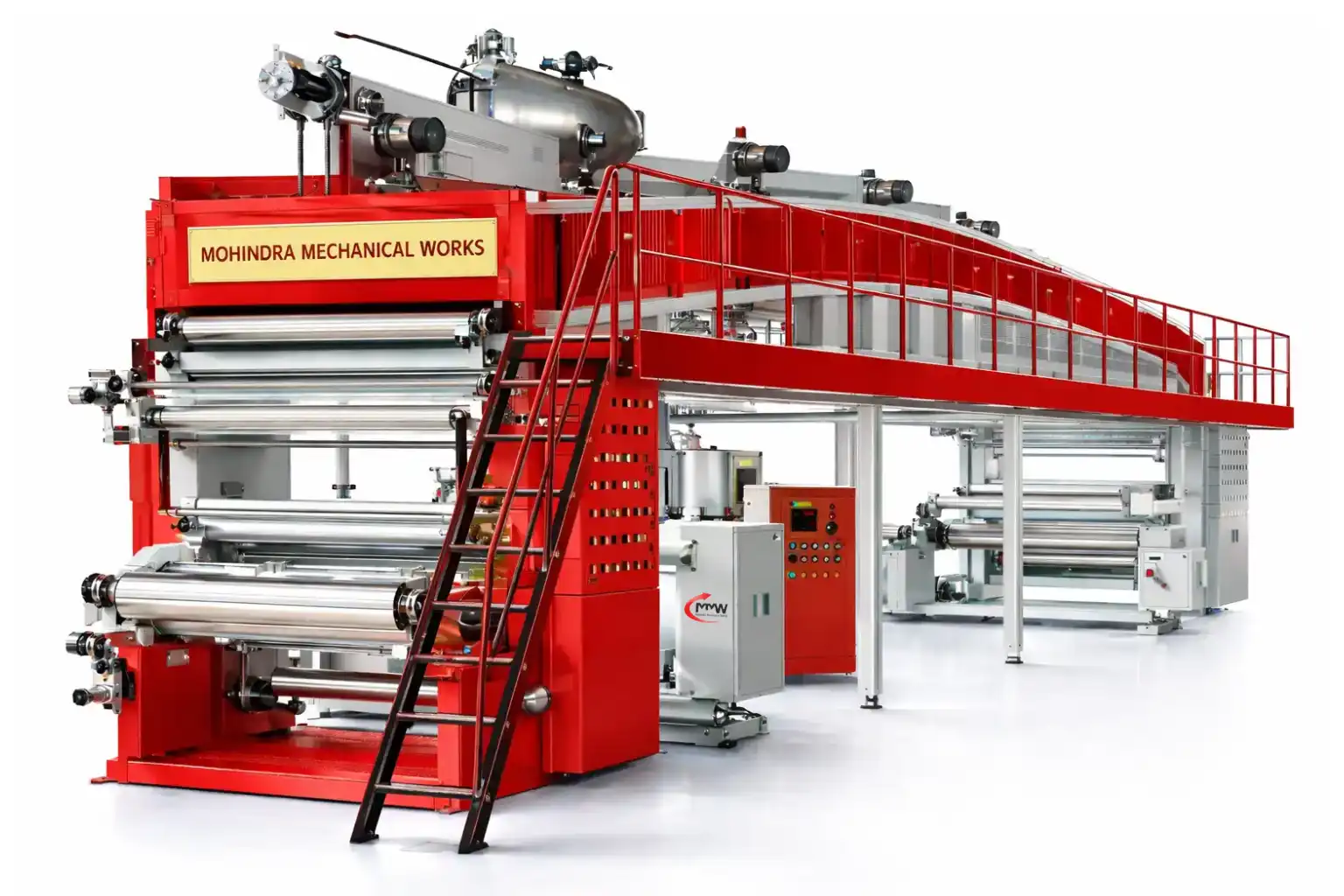
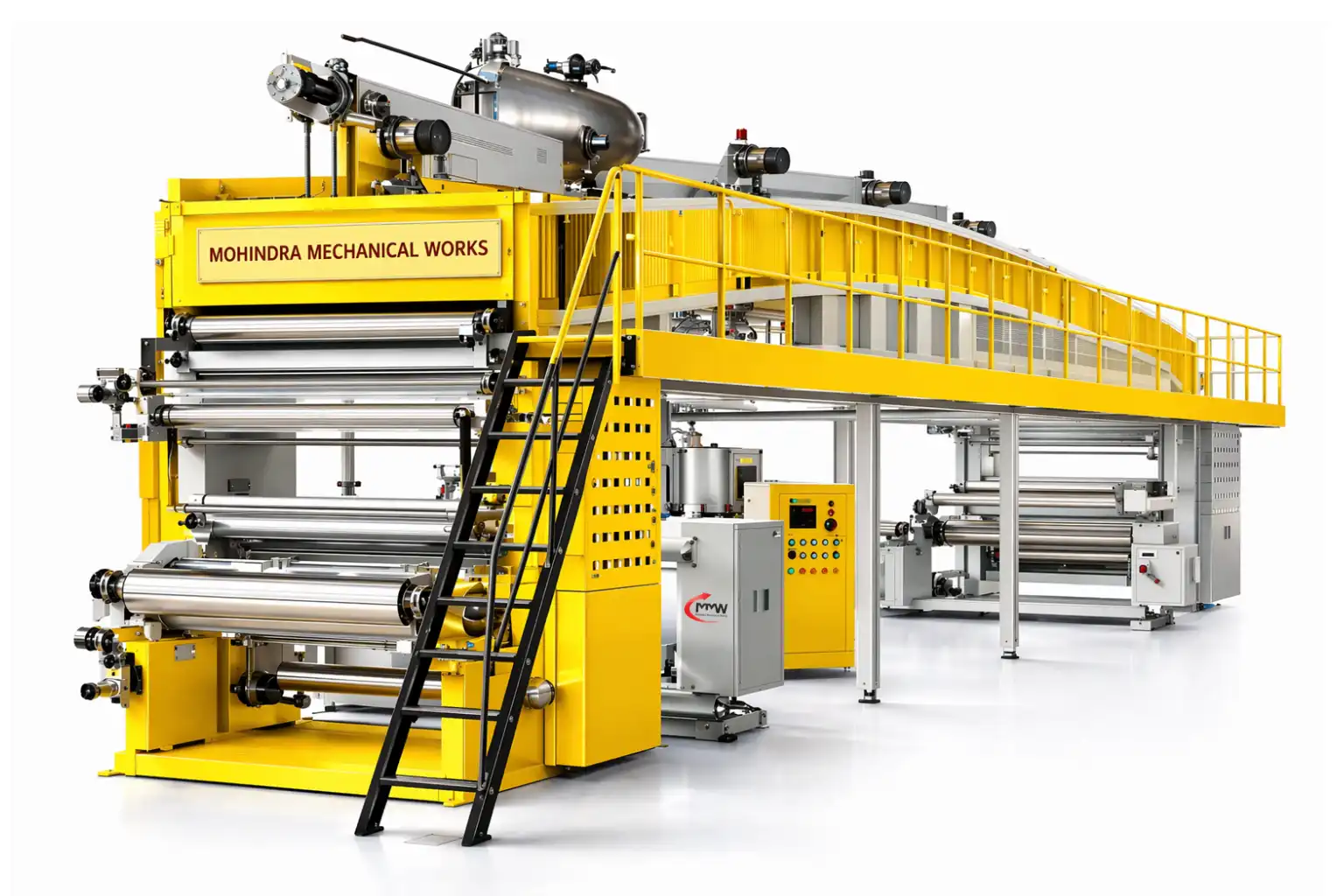
Our Dry Lamination Machine is made specifically for laminating flexible packaging substrates through application of adhesive through coating and drying processes. Our machine coats the adhesive evenly on the primary substrate and moves through the drying unit to remove the solvent from the substrate before it is laminated to the second substrate.

With the right coating, efficient drying, steady web tension and guided web feeding system, our machine offers consistent laminated quality even during the whole production process. It is made to process substrates that are compatible with each other, like PET, BOPP, CPP, PE, metallized films and aluminum foil.

Request a Quote

Contact us today for machine specifications, pricing, and customized solutions.

Enquiry Form

Controlled Adhesive Coating & Efficient Drying

Uniform adhesive application is essential for achieving consistent bonding and laminate quality in dry lamination. The machine uses a precision coating system to apply the required adhesive quantity evenly across the substrate while maintaining stable web movement and coating consistency throughout production.

After coating, the web passes through a controlled drying system, where the solvent is efficiently evaporated before the material reaches the lamination unit. Proper control of drying temperature, airflow and web speed helps achieve effective solvent removal while protecting the substrate from excessive heat. This controlled process prepares the coated web for smooth and reliable bonding with the secondary material.

Designed for Stable Continuous Lamination

The Dry Lamination Machine is engineered for continuous roll-to-roll operation, integrating unwinding, adhesive coating, drying, lamination and rewinding into a coordinated production process. Accurate tension control and web-guiding systems maintain smooth substrate movement and proper alignment through each stage of the machine.

After drying, the adhesive-coated web is combined with the secondary substrate under controlled nip pressure to achieve uniform contact and consistent bonding across the working width. Production parameters can be adjusted according to the substrate combination, adhesive system and required laminate structure.

The finished laminate is then rewound under controlled tension, helping maintain uniform roll density, proper edge alignment and stable roll formation for subsequent slitting, pouch making or other converting operations.

Why Choose Dry Lamination?

Consistent application of the adhesive is necessary for the attainment of reliable bonds and laminates when using the dry lamination technique. The machine employs a precise coating mechanism to deliver the needed amount of adhesive in a consistent manner over the substrate, while maintaining the stability of web motion and coating all through the process of production.

After the process of coating, the web is subjected to a drying process where the solvent is effectively removed from the material before it is introduced into the lamination unit. Temperature control and web speed are important parameters that ensure the solvent is effectively removed from the substrate during the process.

Technical Specifications

Category

Specification

Machine Type

Dry Lamination Machine

Maximum Speed

Up to 250 – 300 M/Min

Maximum Web Width

800 / 1000 / 1200 / 1300 mm

Coating System

Gravure Coating System

Drying System

Multi-Zone Hot Air Drying Oven

Drive System

AC Drive / Servo Drive

Unwind System

Shaft / Shaftless Unwind

Rewind System

Center / Surface Rewind

Maximum Roll Diameter

Up to 800 – 1000 mm

Core Diameter

76 mm / 152 mm

Tension Control

Automatic Load Cell Tension Control

Compatible Materials

Paper, Plastic Films, Aluminum Foil, Laminated Sheets

Power Supply

415V, 3 Phase, 50 Hz

Machine Structure

Heavy-Duty Fabricated Frame

Operation

PLC / Manual Control Panel

Packaging Applications

Key Features

Explore Related Lamination Solutions

Explore our advanced range of Dry Lamination Machines, engineered for high-speed performance, precise bonding, and consistent lamination quality across diverse flexible packaging applications.

FMCG packaging lamination machine for flexible packaging

FMCG Lamination Machine

Designed for high-speed lamination of flexible packaging materials used in FMCG applications. It ensures uniform coating, strong bonding, and smooth, consistent lamination for reliable packaging production.
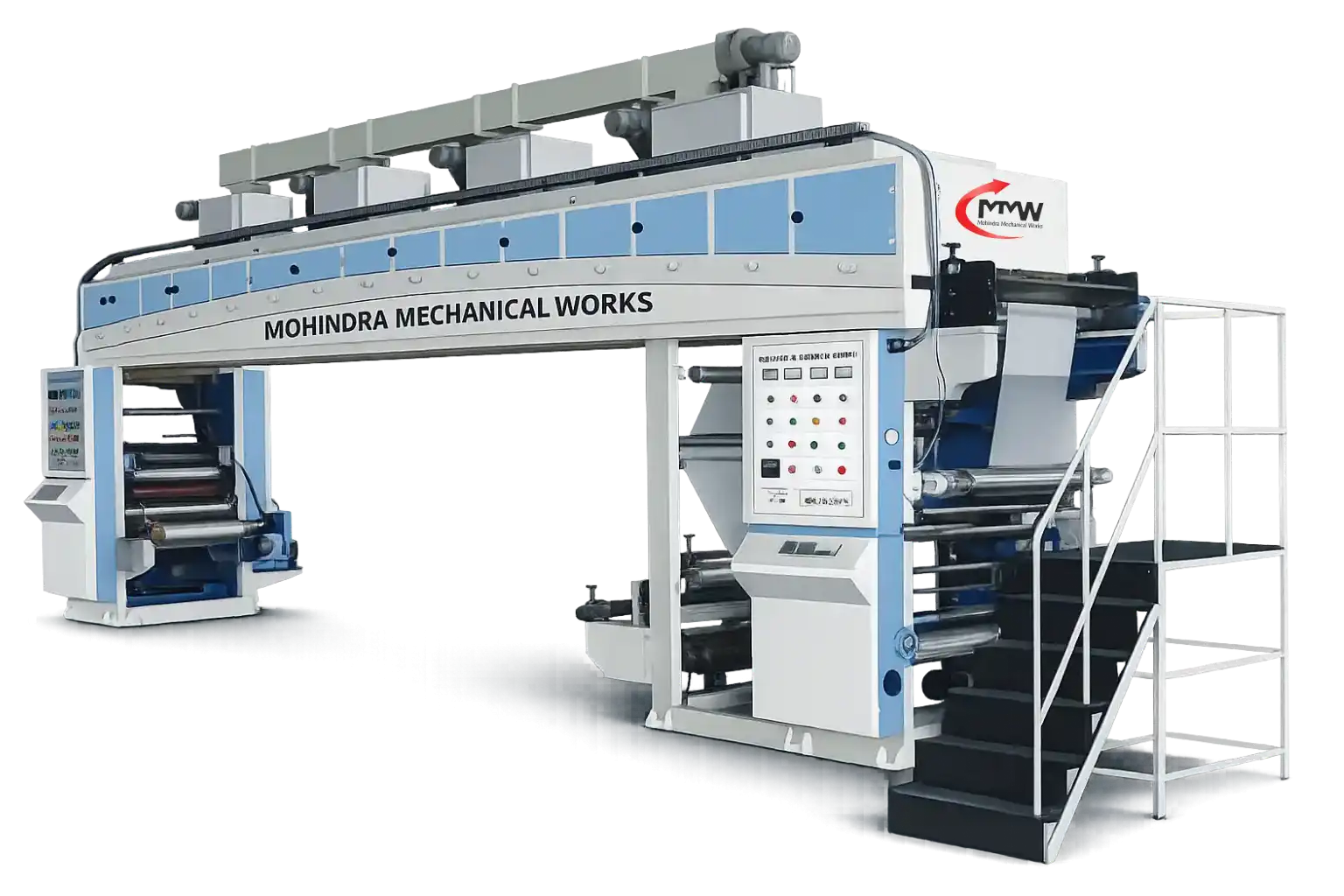
Film lamination machine for paper and packaging industry

Film Lamination Machine

A versatile roll-to-roll lamination solution for bonding different types of films. Precise tension and coating control ensure excellent adhesion, smooth surfaces, and consistent lamination quality.
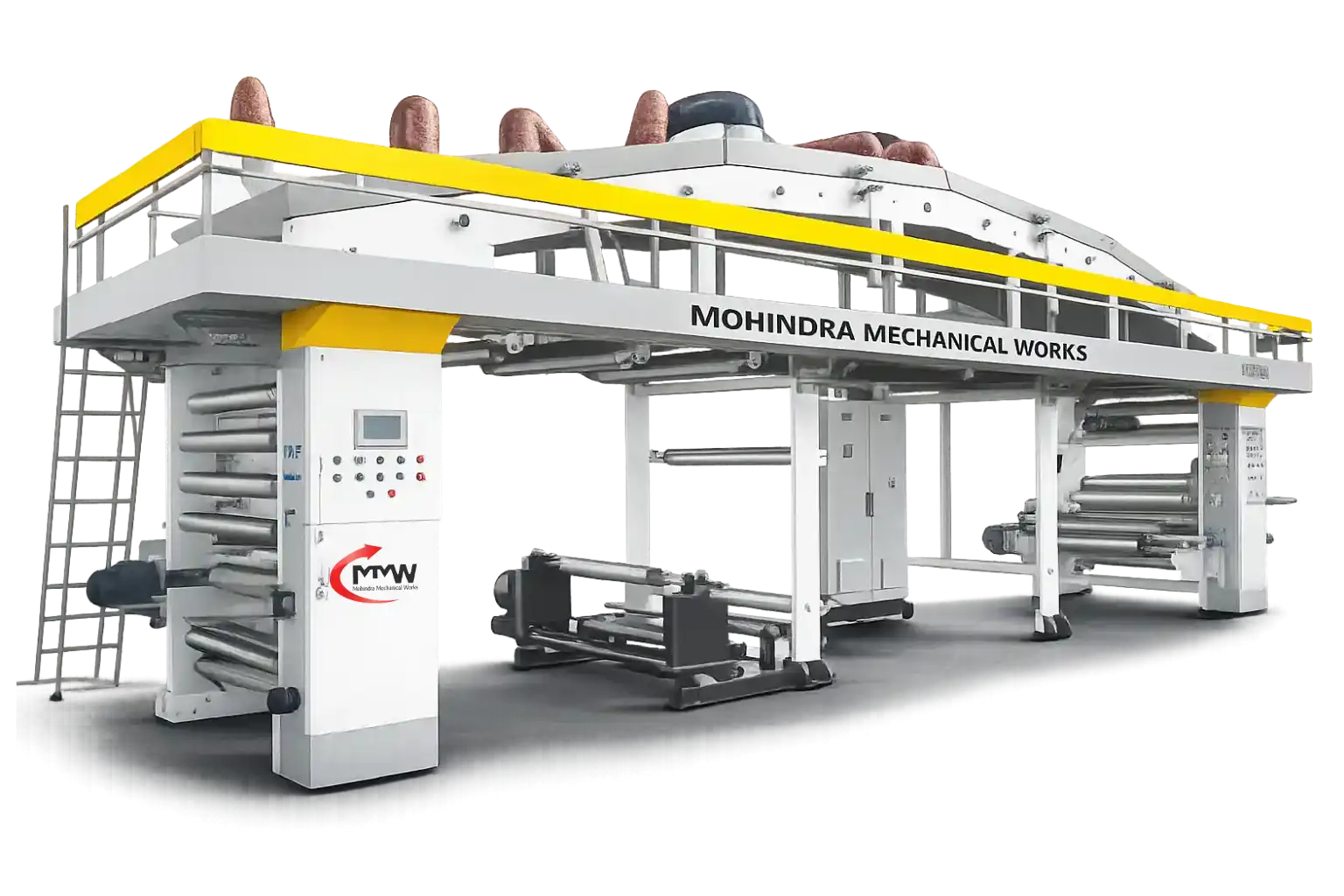
LD lamination machine for film and flexible packaging

LD Lamination Machine

Designed for efficient LD film lamination with various flexible substrates. Controlled coating, heating, and tension deliver strong adhesion, uniform layers, and wrinkle-free results for packaging applications.
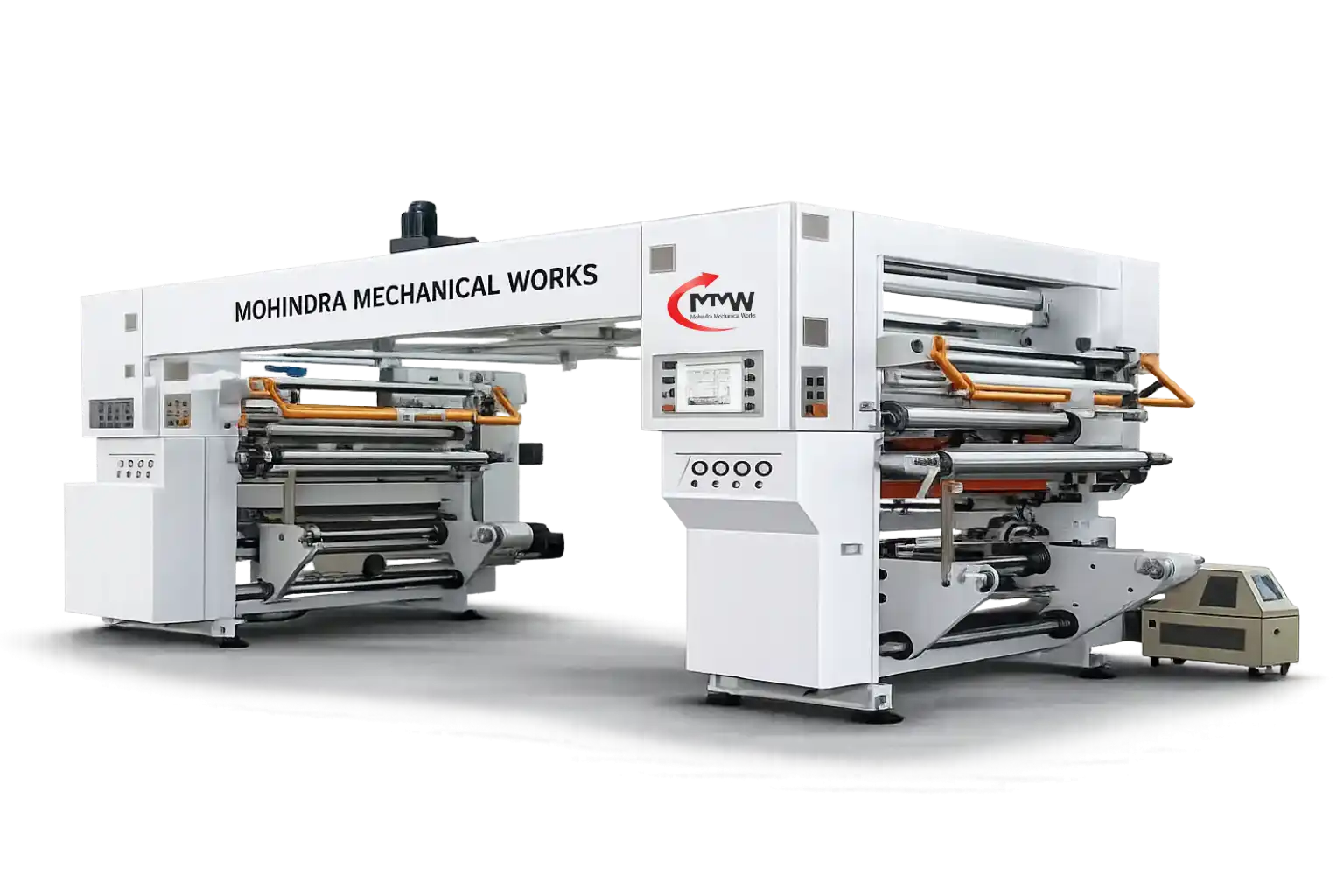
Registered lamination machine for printed film and packaging

Registered Lamination Machine

A precision lamination solution designed for accurate registration of printed and laminated materials. Advanced control helps maintain alignment, uniform bonding, and consistent quality throughout production.
FMCG packaging lamination machine for flexible packaging

FMCG Lamination Machine

Designed for high-speed lamination of flexible packaging materials used in FMCG applications. It ensures uniform coating, strong bonding, and smooth, consistent lamination for reliable packaging production.

Film lamination machine for paper and packaging industry

Film Lamination Machine

A versatile roll-to-roll lamination solution for bonding different types of films. Precise tension and coating control ensure excellent adhesion, smooth surfaces, and consistent lamination quality.

LD lamination machine for film and flexible packaging

LD Lamination Machine

Designed for efficient LD film lamination with various flexible substrates. Controlled coating, heating, and tension deliver strong adhesion, uniform layers, and wrinkle-free results for packaging applications.

Registered lamination machine for printed film and packaging

Registered Lamination Machine

A precision lamination solution designed for accurate registration of printed and laminated materials. Advanced control helps maintain alignment, uniform bonding, and consistent quality throughout production.

Frequently Asked Questions

Is tension control important in dry lamination?

Yes. Accurate tension control helps maintain stable web movement, proper alignment and consistent laminate formation through the coating, drying, lamination and rewinding stages.

What is the difference between dry and solventless lamination?

In dry lamination, an adhesive containing solvent is coated onto the substrate and the solvent is removed through a drying section before lamination. Solventless lamination uses solvent-free adhesive and therefore does not require a conventional solvent-evaporation drying stage.

Can printed films be laminated?

Yes. Compatible printed films can be laminated with suitable secondary substrates, making the machine suitable for many printed flexible packaging applications.

How does the drying section work?

The coated substrate passes through a controlled drying chamber where heated airflow assists in solvent evaporation. Drying parameters are adjusted according to the adhesive, coating quantity, substrate and production speed.

Which materials can be processed?

Depending on the machine configuration and adhesive compatibility, materials can include PET, BOPP, CPP, PE, metallized films, aluminium foil and other flexible packaging substrates.

Why is it called dry lamination?

It is called dry lamination because the adhesive-coated substrate passes through a drying section to remove the solvent before the two webs are laminated together.

What is a Dry Lamination Machine?

A Dry Lamination Machine bonds two compatible flexible substrates by first applying adhesive to one web and drying it before combining the coated web with a secondary substrate under controlled pressure.

Mohindra Mechanical Works